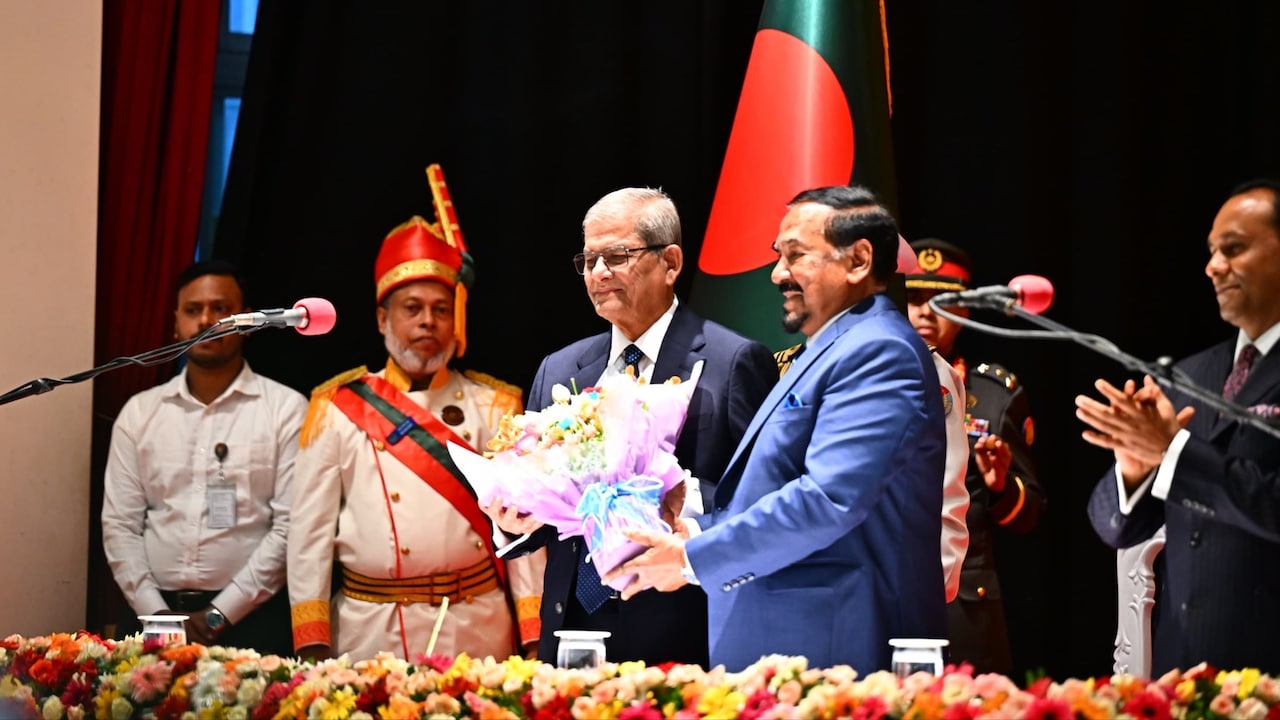
On August 21, 2026, Mirza Fakhrul Islam Alamgir took the oath of office as the 23rd President of Bangladesh. While presidential transitions often feel like dry procedural events, this one is different. It marks the end of a long era where the office was little more than a rubber stamp.
For the first time in 35 years, Bangladesh saw a truly contested presidential election. When parliament members cast their votes on August 20, they weren't just following a pre-written script. They were choosing between two distinct paths for the nation’s highest constitutional office.
The shift from consensus to contest
Historically, the presidency in Bangladesh has been an uncontested role. Between 1996 and 2023, eight different individuals filled the seat without a single vote being cast against them. The ruling party would pick a candidate, and that was that.
Mirza Fakhrul, a senior figure in the Bangladesh Nationalist Party (BNP), broke that cycle. Facing off against Colonel (retd) Oli Ahmed of the Jamaat-e-Islami-led opposition alliance, he secured 255 votes to Ahmed’s 88. This wasn't just a win; it was a clear signal that the political climate in Dhaka is shifting. The election was triggered by the resignation of former president Mohammed Shahabuddin, who stepped down midway through his term citing health issues.
Who is Mirza Fakhrul Islam Alamgir
If you've followed Bangladesh politics, you know the name. Born in 1948 in Thakurgaon, Mirza Fakhrul didn't start in the halls of power. He was an academic. He taught Economics at Dhaka College starting in 1972 after a stint as a student leader during the 1969 uprisings.
His transition from the classroom to the BNP leadership wasn't overnight. He spent decades in the trenches of party politics, eventually becoming the party's longtime secretary general. His supporters often point to his deep roots in student activism and his background in education as factors that give him a different perspective than the career bureaucrats who usually occupy Bangabhaban.
What happens now
The swearing-in ceremony at the Darbar Hall of Bangabhaban was packed with the country's power players, including Prime Minister Tarique Rahman and former chief adviser Muhammad Yunus. But the ceremony is just the start.
Immediately after taking his own oath, President Alamgir had to oversee the induction of new cabinet members, reflecting the reality that this administration is currently managing a significant reshuffle.
You should expect the new presidency to be under a microscope. In a country that has been defined by political polarization, a contested election for the head of state is a heavy burden to carry. Can he maintain the impartiality the office requires after a lifetime of partisan fighting? That’s the question everyone in Dhaka is asking.
If you want to track the actual policy changes or upcoming administrative shifts, keep an eye on the official Bangladesh government portal or the Parliament of Bangladesh website. These are the only places to see the legal reality behind the headlines. Don't rely on social media speculation; the formal documentation of his term is where the real work will be recorded.
The office of the president might be largely ceremonial in the Bangladeshi constitutional framework, but in a time of transition, symbolism matters. Mirza Fakhrul’s tenure begins with a mandate that, for the first time in over three decades, wasn't just handed to him. That alone makes this a moment to watch.