Secret diplomatic trips don't happen in a vacuum, especially when you are flying across a volatile Middle East. Israeli Prime Minister Benjamin Netanyahu packed his bags for a quick, unannounced run to Abu Dhabi to meet with UAE President Sheikh Mohammed bin Zayed Al Nahyan.
This high-stakes visit dropped right into the middle of a massive diplomatic storm. Just as Netanyahu touched down in the Emirates, his foreign ministry dropped the hammer on European diplomats in the West Bank. The timing wasn't an accident. It's a stark look at how Israel is scrambling to lock down regional allies while trading heavy blows with European capitals over settlement policies and wartime fallout. Read more on a similar issue: this related article.
The Abu Dhabi Summit Behind Closed Doors
You have to look at the backdrop to understand why this meeting matters. Reports recently surfaced claiming that the Emirati leadership warned Netanyahu weeks before the October 7 attacks about an impending Hamas operation. Netanyahu has fiercely denied receiving any such warning, threatening legal action against media outlets pushing the story.
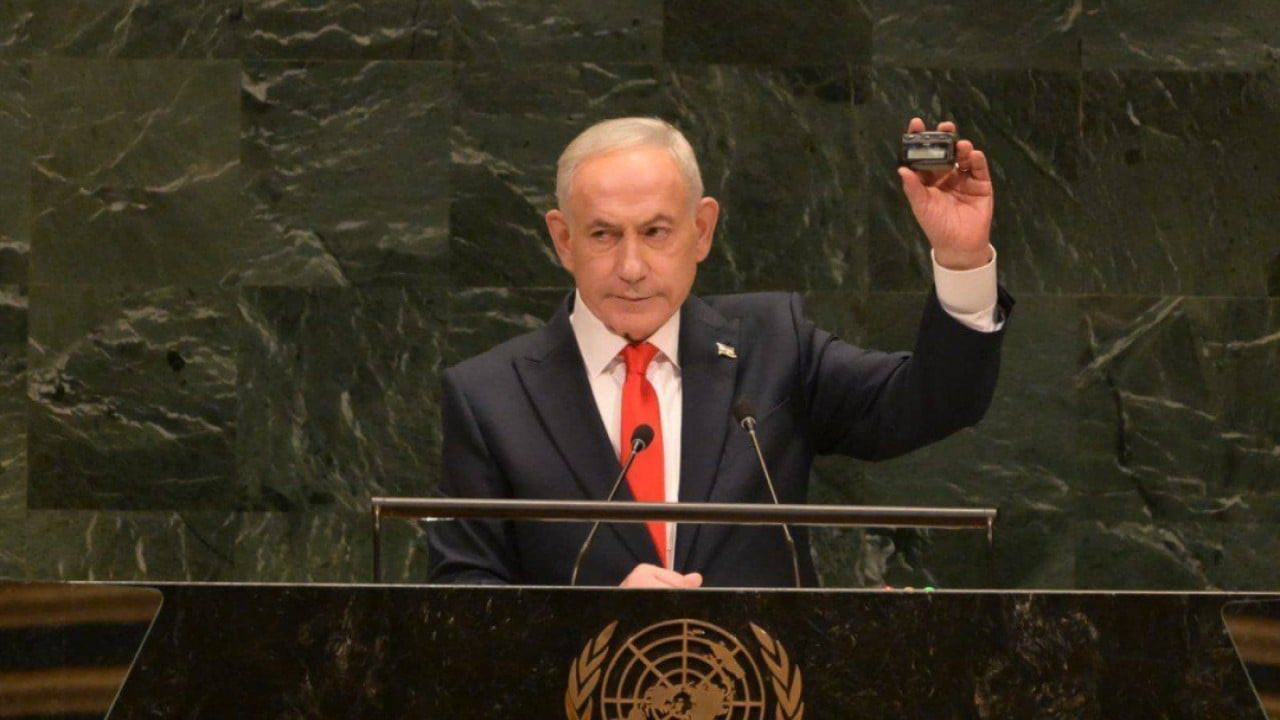
Despite the friction and the intense domestic pressure he's facing at home, the UAE remains a critical anchor for Israel's regional strategy. Remember, the Emirates was one of the few Arab states whose representatives actually stayed put in the UN General Assembly hall during Netanyahu's recent speech while other delegations walked out en masse. Additional analysis by NBC News explores comparable perspectives on the subject.
During the recent conflict involving Iran, the UAE and Israel grew closer behind closed_doors. Israel even deployed a temporary Iron Dome air defense system to the Emirates. Emirati officials noted privately that they remember who stood by them when the missiles started flying. Sunday's quick trip was basically about keeping those vital channels open at the absolute highest level.
Retaliation in Ramallah
While Netanyahu was shaking hands in Abu Dhabi, Foreign Minister Gideon Sa'ar was busy swinging an axe at European diplomatic channels back home. Israel gave Dutch diplomats stationed in Ramallah a strict seven-day ultimatum to return their Israeli-issued diplomatic credentials.
Why? Because the Netherlands started enforcing a hardline national ban on imports, purchases, and sales of goods originating from Israeli settlements in the West Bank and East Jerusalem. Dutch authorities even went as far as having customs officials search passengers arriving on flights from Tel Aviv for settlement-origin souvenirs and goods.
Israel didn't blink. Sa'ar made it clear that if the Dutch government wants to represent its interests with the Palestinians, its diplomats can operate directly from Palestinian Authority territory rather than relying on Israeli-granted privileges and immunities.
This isn't happening in isolation either. Britain, France, and Canada have signaled similar moves to restrict settlement trade and target companies aiding expansion in the occupied territories. European nations are turning economic screws, and Israel is responding by cutting off diplomatic access wherever it can hurt back.
What This Means Moving Forward
The diplomatic chess board is shifting fast. On one side, Israel is tightening economic defense measures, offering financial buffers to settlement businesses, and cutting off diplomatic status for European envoys who enforce trade bans. On the other side, Western European governments are signaling that economic normalisation with settlements is officially dead.
At the same time, Israel's outreach to Gulf partners like the UAE shows that Jerusalem is doubling down on relationships that provide strategic depth and intelligence sharing outside of Western influence. Netanyahu's quiet flight to Abu Dhabi proves that survival in this region depends less on traditional European allies and more on pragmatic, fortified partnerships built during wartime crises.
The next few weeks will test whether European sanctions turn into a wider economic freeze or if regional alliances in the Gulf can balance out the diplomatic fallout. Don't expect any backpedaling from either side.