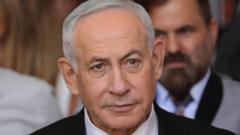
Israeli Prime Minister Benjamin Netanyahu just publicly slammed Donald Trump’s 15-point peace plan for Gaza, but don't assume this diplomatic standoff is set in stone. Politics rarely works that way.
During a cabinet meeting, Netanyahu flatly stated that Israel rejects the document. He insisted that military withdrawals won't happen until every weapon in Gaza is dismantled.
The friction looks severe. Yet behind closed doors, high-stakes negotiations between Washington and Jerusalem continue to grind forward.
The Core Disagreement Behind the 15-Point Roadmap
At the heart of the dispute lies a massive sequencing problem. Trump’s Board of Peace rolled out a 15-point roadmap designed to push past the stalled October 2025 ceasefire terms. That original agreement brought a temporary halt to major combat, secured hostage releases, and boosted humanitarian aid. But it left the thorniest issues—namely, who gives up weapons and when—for a secondary phase.
The new US-backed proposal envisioned a phased process. It suggested that Israeli force pullbacks could happen alongside Hamas's disarmament rather than waiting for a total, verified surrender of arms first.
Netanyahu rejected that parallel timeline entirely.
"We are talking about genuine disarmament, not fictitious disarmament," Netanyahu told his ministers. He demanded that heavy, light, and medium weaponry all be completely eradicated before any soldier leaves the territory.
The Domestic Political Pressure Cooker
Why is Netanyahu taking such a hard line right now? Timing is everything. Israel faces high-stakes parliamentary elections on October 27, 2026.
Polls indicate that Netanyahu's governing coalition is fighting for its political life, risking its current majority. Far-right members of his cabinet fiercely oppose any concessions, viewing parallel withdrawals as a security hazard. Showing weakness to Washington or appearing soft on militant groups is a fast track to losing a primary voter base.
By shouting "no" to the 15-point plan in public, Netanyahu plays directly to his domestic audience. It is standard political theater designed to project strength.
What Washington and the Board of Peace Say
Despite the public friction, international mediators refuse to treat the rejection as a deal-breaker. Representatives from Trump’s Board of Peace note that back-channel talks remain active.
US officials point out that parts of the broader strategy overlap with what Israel previously accepted. Senior diplomats continue to search for wording or security guarantees that satisfy Israeli security demands while keeping the peace framework alive.
Meanwhile, Hamas maintains its own strict conditions. Palestinian officials argue that handing over heavy weapons is strictly contingent on a complete Israeli military exit and concrete steps toward statehood. With Israel still maintaining control over roughly 70% of the enclave, mutual distrust runs at an all-time high.
Where the Process Goes Next
Diplomacy rarely moves in a straight line, especially in the Middle East. Public posturing allows leaders to appease domestic voters while diplomats hammer out compromises in secret.
Watch the back channels rather than the headlines. The current rejection gives Netanyahu breathing room ahead of October, but the underlying pressure from Washington to secure a lasting framework isn't going away. Expect quiet revisions to the timeline, altered wording on security zones, and a renewed push once political calculations shift.