When catastrophe hits the Himalayas, politics usually takes a backseat to survival. Following the devastating flash floods along the Bhotekoshi River on August 26, Nepal faced a crisis of historic proportions. Over a thousand lives were lost, thousands more went missing, and entire settlements were buried under thick layers of mud and sludge. Amid this heartbreak, Nepal's Prime Minister Balendra "Balen" Shah stepped into Parliament to deliver a critical message. He publicly thanked India, China, and the United States for their timely emergency support, cutting through the usual diplomatic tension.
If you've been following South Asian geopolitics, you know that relations between neighbors can get complicated. But when disaster strikes, immediate logistics matter more than grand speeches. Let’s look at why Shah’s remarks in Parliament matter, what actually happened on the ground, and how Kathmandu is handling its international stance moving forward.
What Triggered the Crisis in Nepal
The disaster wasn't just a heavy monsoon downpour. It was a violent flash flood triggered by a sudden glacier collapse in the high Himalayas, sending a wall of water and debris crashing down into Rasuwa through the Bhotekoshi River.
The numbers coming out of Nepal paint a grim picture. Rescue teams have managed to pull thousands of survivors out of the danger zones, but the casualty count has climbed past 1,100, with thousands still unaccounted for. Mud and debris filled hydropower tunnels, making standard rescue operations nearly impossible. Heavy excavators couldn't even find solid ground to stand on, and security forces from the Army and Armed Police Force faced extreme risks trying to reach isolated pockets.
Prime Minister Shah made it clear in his parliamentary address that turning down external help was never an option. When you're dealing with thousands of missing citizens and impassable terrain, pride takes a back seat to saving lives.
How India and Other Neighbors Stepped Up
India was among the first nations to respond physically to the emergency. Prime Minister Narendra Modi spoke directly with Balen Shah to offer full humanitarian assistance, and New Delhi quickly dispatched specialized teams.
Indian technical specialists and tunnel rescue teams arrived early, performing aerial reconnaissance to assess structural damage and figure out how to reach cut-off areas. India sent multiple consignments of relief material, including specialized heavy rescue gear and over 70 tonnes of essential supplies.
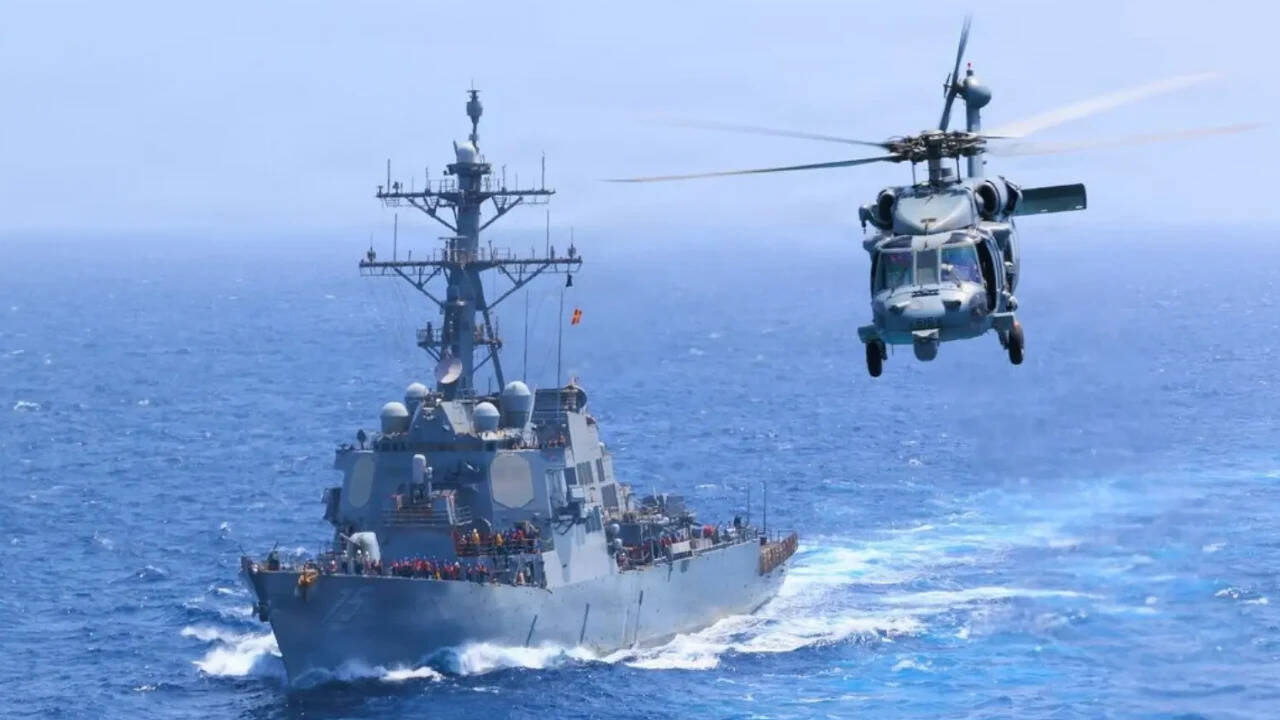
At the same time, China worked intensely on its side of the border to clear the damaged G216 highway leading to the Gyirong crossing, allowing heavy machinery to access remote regions. The United States and various other international partners also contributed financial and logistical backing. Shah acknowledged this broad international coalition, noting that friendly nations and banks provided crucial lifelines during the darkest hours of the crisis.
The Shift Toward Climate Compensation
Balen Shah’s public expression of gratitude arrived on the heels of a major diplomatic policy shift initiated by Nepal's Foreign Minister, Shisir Khanal. Kathmandu has started demanding "climate compensation" from major industrial emitters rather than treating post-disaster assistance as ordinary charity.
The argument from Nepal's government is straightforward. The Himalayan nation contributes a negligible fraction of global greenhouse gas emissions, yet it bears the catastrophic brunt of climate change through glacier collapses and unpredictable flash floods. By framing international aid as a matter of moral liability rather than hand-outs, Nepal is trying to rewrite the rules of climate diplomacy.
Yet, even while pushing this aggressive diplomatic stance on climate accountability, Prime Minister Shah understood the immediate necessity of thanking the countries that deployed rescue teams when bodies were still trapped beneath meters of mud. Diplomacy can wait when people are missing, but Shah managed to balance both worlds during his address.
What Happens Next on the Ground
Recovery in the Himalayas is a painfully slow process. Search operations are still ongoing around critical infrastructure sites like the Chilime Hydropower Plant, where workers and villagers were trapped.
If you are looking at the big picture, Nepal's approach offers clear lessons for disaster management in fragile mountain ecosystems.
- Governments must prioritize rapid logistical corridors over political posturing during the first 48 hours of a crisis.
- Regional cooperation between immediate neighbors remains the single most effective tool for saving lives when western aid is too far away.
- Climate adaptation strategies must move beyond routine talk and address the actual vulnerability of downstream communities in river basins.
The immediate emergency response has saved thousands of lives, but the road to rebuilding homes, roads, and hydropower facilities will take years. For now, Kathmandu has made its diplomatic balancing act clear: hold major global players accountable for climate shifts, but keep the doors open for the neighbors who bring excavators and rescue workers when the rivers overflow.