When a community loses someone in broad daylight, the shock waves ripple instantly through local training halls, coffee shops, and quiet suburban streets. That reality hit hard outside Paris when twenty-six-year-old amateur mixed martial arts fighter Pengo Bossio Wangi was killed during a horrific shooting spree. French President Emmanuel Macron didn't mince words, labeling the violent rampage a targeted racist terror attack. Yet behind the political statements lies a grieving community that refuses to let Wangi become just another statistic in a rolling news cycle.
Atch Academy in Aubervilliers put it plainly in an online tribute, writing that Wangi was simply one of their own. When you spend hours sweating on the mats, sparring, and building grit alongside someone, they become family. Losing a young athlete with his entire life ahead of him leaves an empty space that training sessions can't fill.
What Happened During the Paris Suburb Shooting Spree
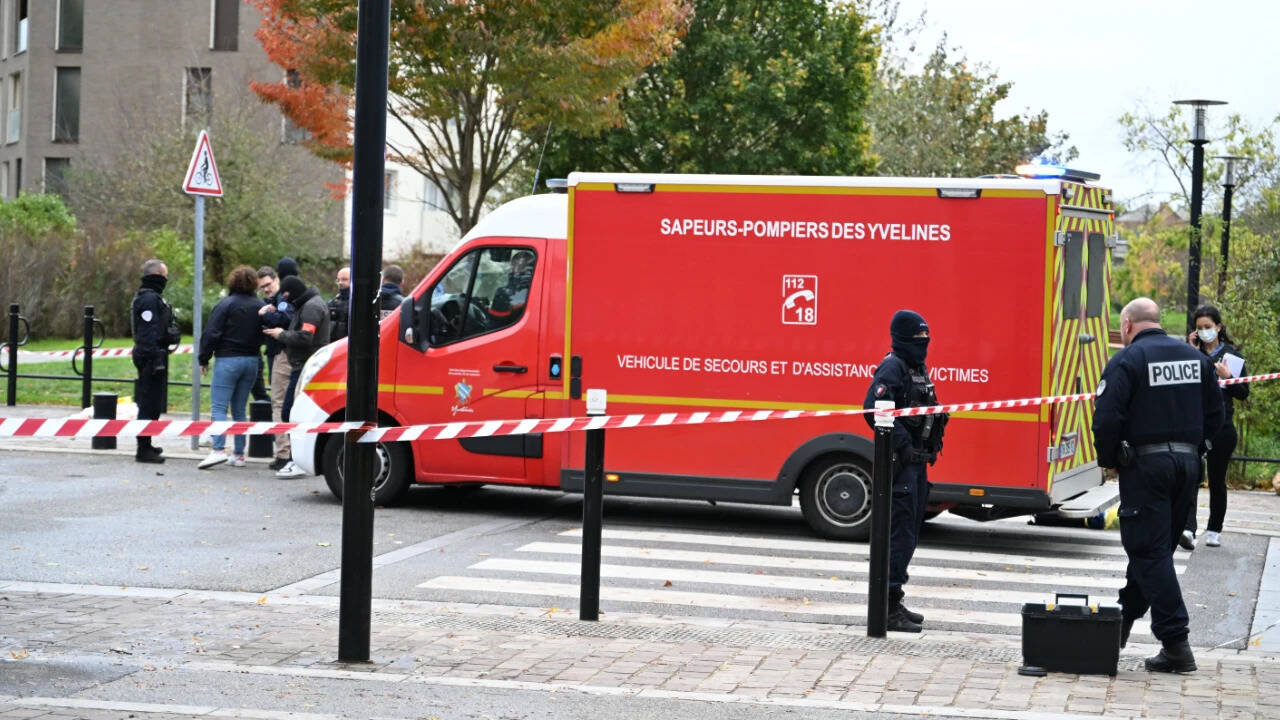
The violence wasn't an isolated scuffle or a random street crime. A gunman opened fire from a moving vehicle across three distinct locations in Trappes and La Verrière, towns situated about thirty kilometers west of the French capital. The entire bloody episode unfolded over roughly fifteen minutes, catching civilians completely off guard on a Friday.
At least five other people sustained injuries during the rapid-fire assault, including a twelve-year-old girl whose life was upended in seconds. Investigators quickly zeroed in on the scale of the carnage, pointing to clear indicators that the victims were targeted because of their skin color or perceived religion. When a gunman opens fire from a car window onto civilian streets, the sheer randomness of who gets hit creates an atmosphere of terror that lingers long after the police clear the crime scene.
The Suspect and the Institutional Failures
Law enforcement moved swiftly to apprehend the shooter, taking a suspect into custody shortly after the rampage ended. Authorities identified him as a man born in 1987, known in reports as Kévin T. But the arrest immediately sparked harsh questions about the judicial system and background checks.
The suspect reportedly carried four previous convictions on his record. Under specific provisions of French law, however, those prior offenses had been automatically expunged. Critics are already asking how someone with a violent history slips through administrative cracks until they are armed with a Sten-type submachine gun and a tear gas canister inside a vehicle.
The threat didn't end with the arrests on the street. When bomb disposal experts and investigators searched the suspect's apartment, they uncovered three gas cylinders paired with electrical wires connected to a timer—what officials described chillingly as a trap meant to maximize destruction. Police also took an immediate family member into custody as the anti-terrorism prosecutor's office took over the broader conspiracy and background investigation.
Why This Violence Stings So Deeply
France has grappled with deep societal fractures, political polarization, and rising racial tensions for years. Every time an incident like this occurs, it forces uncomfortable conversations about who feels safe walking down a suburban street or riding public transit.
Amateur sports clubs like Atch Academy often serve as cultural melting pots where young people from all backgrounds find discipline, community, and respect. When violence tears through the life of a dedicated athlete, it strikes at the core of spaces that usually bridge community divides.
The national conversation now pivots toward security, radicalization, and the frightening ease with which extremist ideologies manifest into lethal street violence. Condemnations from high-ranking officials matter, but for the training partners and friends of Pengo Bossio Wangi, policy debates won't bring back a twenty-six-year-old fighter who should have had decades left to chase his dreams.
As investigators comb through the digital footprints and associates of the detained suspect, the residents of Trappes and Aubervilliers are left to mourn a senseless loss. The fight against hatred on European streets requires more than emergency press conferences; it demands an honest reckoning with the systemic roots of violence before another gym loses one of its own.