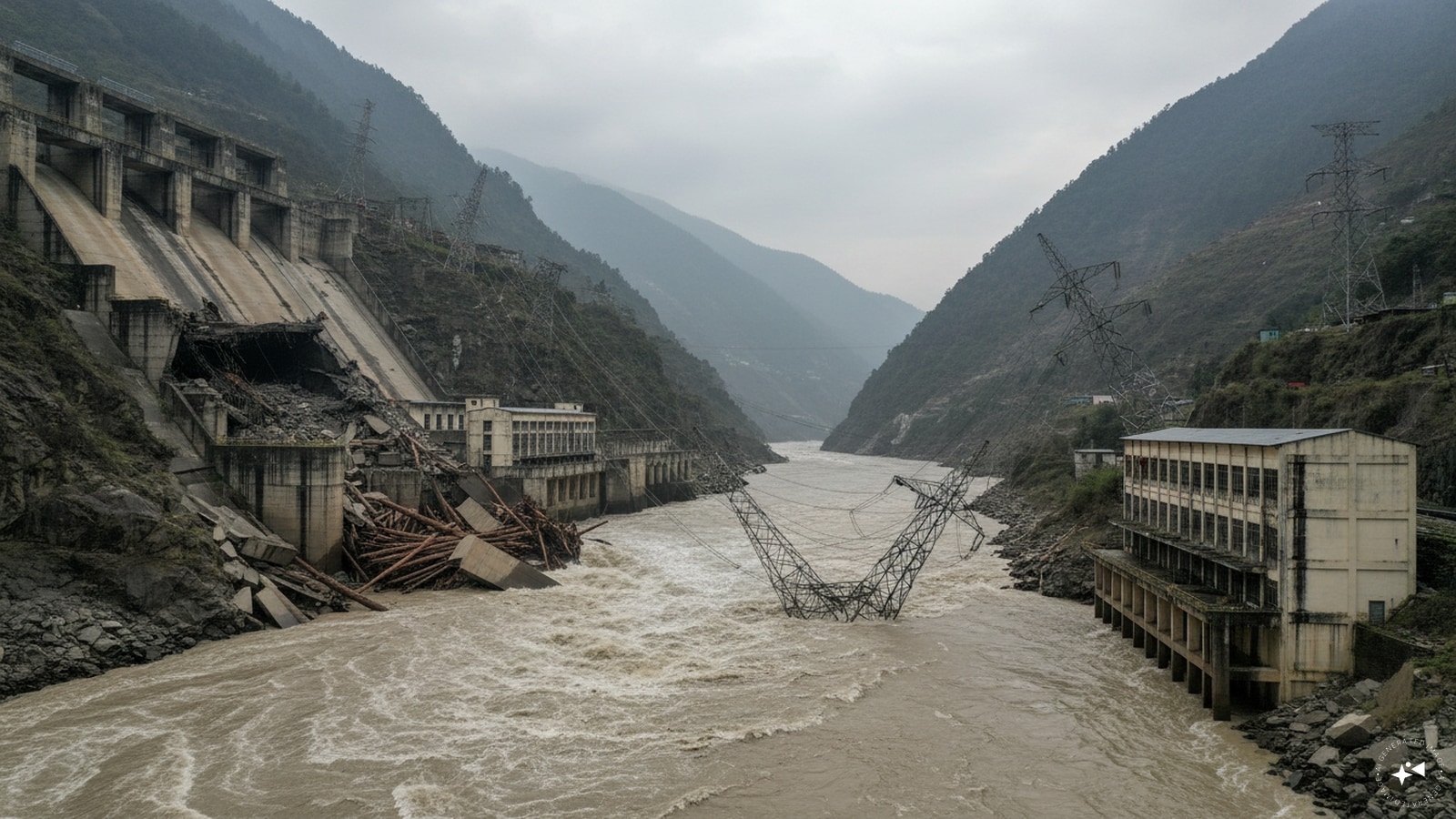
Severe monsoon floods and flash floods in Nepal have wiped out approximately 550 megawatts of domestic hydropower generation capacity, forcing a sudden 400-megawatt drop in electricity exports to India.
If you thought cross-border clean energy grids were foolproof, recent events in the Himalayas proved you wrong. Mother Nature just reminded everyone that relying heavily on glacier-fed rivers comes with massive structural risks.
Internal assessments and energy officials show that key power sites along major river systems took a heavy beating. This isn't just a local crisis for Kathmandu. It directly impacts cross-border power dynamics across South Asia, altering trade schedules that took years to negotiate.
What Happened to Nepal Hydropower Capacity
The disaster hit critical operating infrastructure hard. Flash floods struck multiple river systems, severely damaging numerous power plants and halting operations at projects like Chilime and Trishuli.
Beyond operational plants, construction sites for upcoming hydro projects suffered major setbacks. Debris, mud, and blocked tunnels have made recovery efforts slow and dangerous. Initial estimates place total generation losses around 550 megawatts.
Nepal's total installed electricity capacity recently hovered around 4.2 gigawatts. Losing over 10 percent of that generation capacity overnight creates an instant supply squeeze. Domestic demand usually hovers near 2.5 gigawatts during peak months, but losing large chunks of baseload generation scrambles the balance sheet of the Nepal Electricity Authority.
The Ripple Effect on Power Exports to India and Bangladesh
Normally, Nepal turns into a net power importer only during the drier winter months, typically starting around October. During the summer and monsoon months, excess generation gets exported across the border.
With domestic capacity down by 550 megawatts, electricity exports to India dropped by 400 megawatts. Furthermore, regional ambitions to wheel clean power further down to Bangladesh via India's transmission grid hit immediate roadblocks. Regional power trade relies on stable, predictable output. When generation drops by this magnitude, international supply commitments have to be frozen or rolled back.
How India is Responding to the Crisis
India plays a dual role here. It's both the primary export market for Nepali kilowatts and the transit corridor for broader regional trade.
When the crisis hit, Indian authorities didn't panic. Because India's own summertime peak demand was stabilizing, absorbing a 400-megawatt drop from Nepal didn't destabilize the domestic grid.
More importantly, Kathmandu has already requested early approval to flip the script and start importing power from India sooner than scheduled to cover the shortfall. Indian power ministry officials have responded favorably, working to process requests so Nepal can keep the lights on domestically while rebuilding its shattered infrastructure.
The Hard Truth About Climate Vulnerability and Green Energy
Building 30,000 megawatts of hydro capacity by 2035 sounds great in a policy paper. Financing it and keeping it safe from extreme weather events is a completely different challenge.
When your entire energy transition strategy concentrates risk in vulnerable mountain watersheds, a single extreme weather event can erase years of progress. Reconstruction costs and damaged transmission lines will test the fiscal resilience of the region.
Diversifying generation assets and building climate-resilient engineering standards aren't optional anymore. They are survival metrics for any nation betting its economic future on water.
Take a close look at how cross-border grids operate under stress. Build flexibility into your infrastructure assumptions before the next climate shock hits.