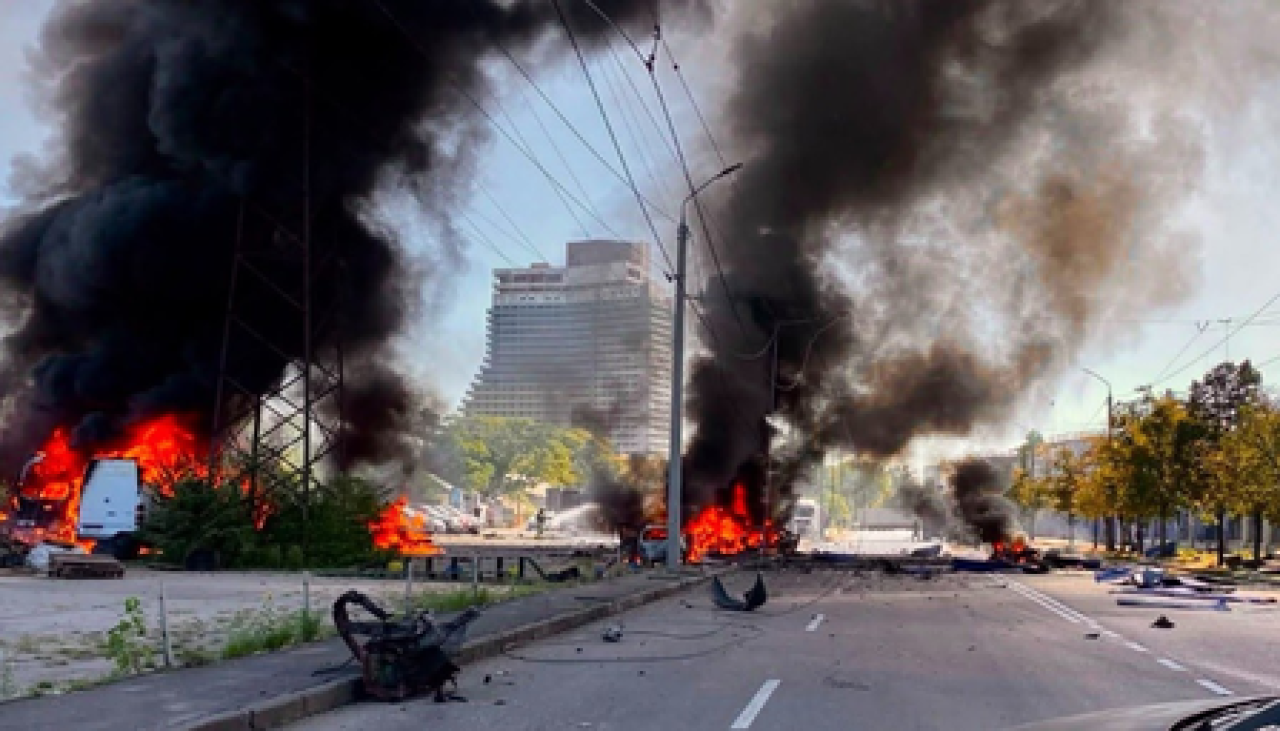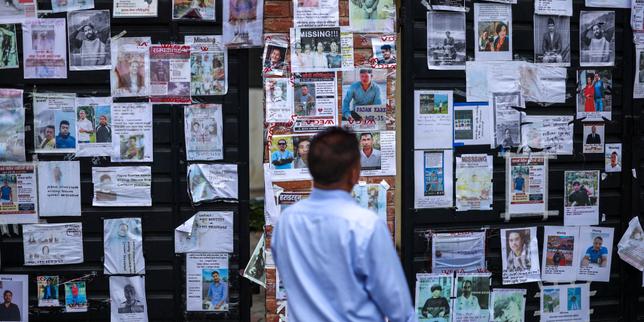
When a massive wall of water, ice, and debris tore through Himalayan river valleys following a catastrophic glacial collapse, it left behind a staggering trail of destruction. Beyond the ruined bridges, flattened hydroelectric plants, and thousands of displaced families, local authorities faced a grim and agonizing reality. Hundreds of recovered bodies remained completely unidentifiable.
Managing an overwhelming influx of unidentified victims after a mass casualty event tests the absolute limits of any nation's emergency infrastructure. In Nepal, where the late-August flash floods claimed over a thousand lives and left thousands more missing, forensic teams found themselves confronting an unprecedented crisis. When morgues run out of space and remains degrade rapidly in tropical or humid valley conditions, authorities have to make heart-wrenching choices just to maintain public health standards and afford some semblance of dignity to the deceased.
The Brutal Reality of Mass Disaster Forensics
Disaster victim identification isn't like what you see on television crime dramas. It's a grueling, slow-moving process that requires meticulous record-keeping, DNA profiling, dental records, and fingerprint analysis. When a disaster strikes remote mountainous terrain, these systems break down almost instantly.
Many victims recovered from the mud-caked river corridors were migrant workers, local villagers, or tourists whose personal belongings had been entirely stripped away by the violent currents. Without ID cards, phones, or recognizable clothing, visual identification becomes nearly impossible. Compounding the issue, local morgues in districts like Rasuwa and Nuwakot simply lack the refrigeration capacity and advanced forensic tools required to store hundreds of bodies simultaneously.
Faced with advanced stages of decomposition, local officials in Kathmandu and surrounding regions had to resort to emergency protocols. In some instances, overwhelmed authorities buried unidentified victims in temporary trenches because individual preservation was no longer feasible. International assistance, including specialized forensic experts deployed by agencies like the Royal Canadian Mounted Police and the United Nations, arrived to support local teams, but the scale of the backlog remains immense.
Why Standard Identification Protocols Fail in Remote Crises
If you look at how wealthy nations handle disaster recovery, you see sophisticated temporary morgues and rapid DNA labs set up within hours. In regions characterized by rugged geography and fragile infrastructure, those luxuries don't exist.
- Geographic isolation: Cut-off roads and destroyed bridges mean bodies often can't be transported quickly to central urban laboratories.
- Resource scarcity: Local police and medical personnel are stretched thin, juggling search-and-rescue operations for the living alongside recovery efforts for the dead.
- Environmental factors: Warm river valleys accelerate decomposition, destroying soft tissue before forensic markers can be extracted.
Families waiting for news experience a unique kind of torture. The uncertainty surrounding missing relatives keeps wounds raw, preventing closure. While international organizations provide emergency food kits, medical supplies, and satellite mapping, the psychological and logistical burden of managing hundreds of anonymous victims falls squarely on local responders who are already overwhelmed.
Moving Forward From the Tragedy
Preventing this level of post-disaster chaos requires a complete shift in how vulnerable regions prepare for climate-driven mountain hazards. Early warning systems in high-altitude environments must be paired with scalable disaster response plans that anticipate mass fatality management. Governments cannot rely solely on post-crisis international aid drops; they need pre-established protocols for DNA collection registries and portable morgue units capable of handling remote catastrophes.
Until regional infrastructure catches up to the increasing frequency of glacial outbursts, frontline workers will continue to make impossible decisions in the mud, trying to balance public health necessity with the fundamental human right to a dignified identity.