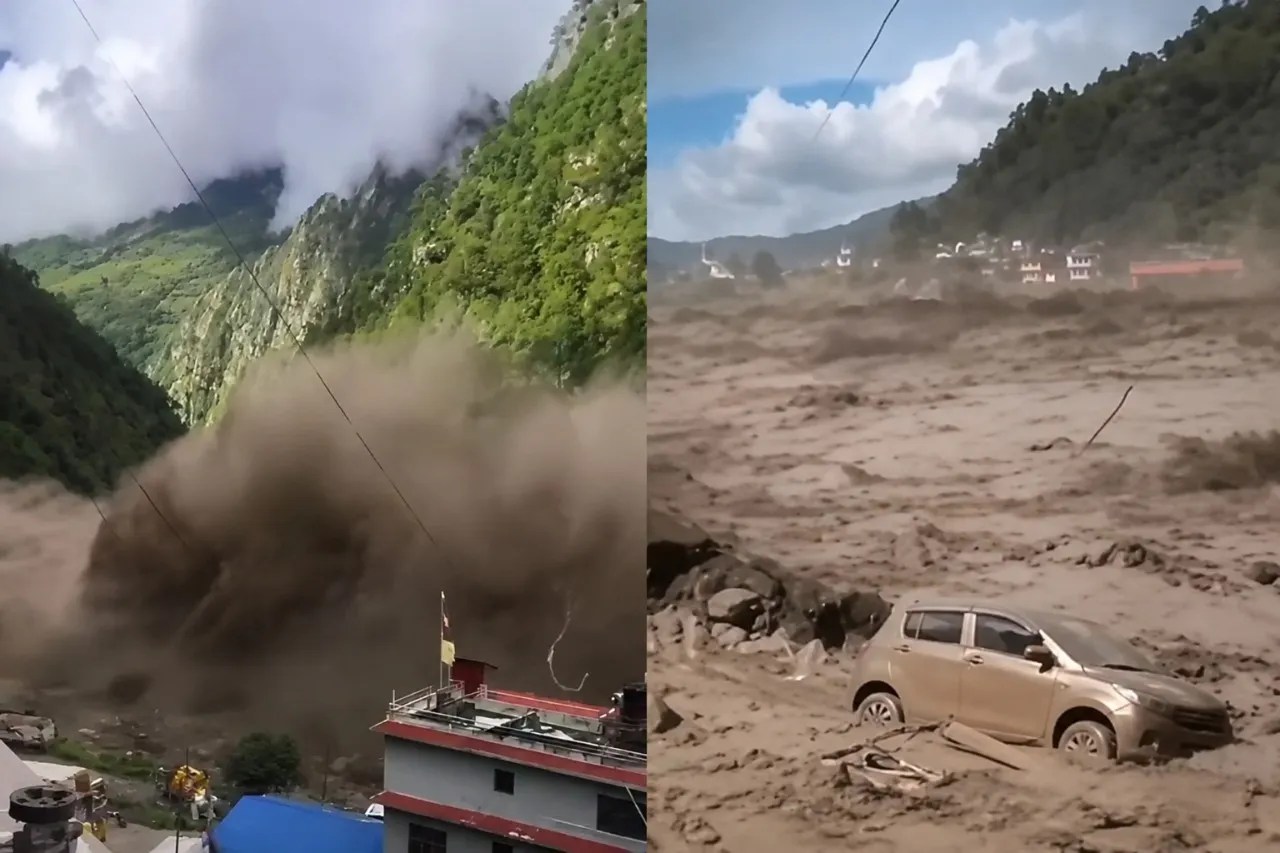
Disasters don't just destroy infrastructure. They reopen raw emotional wounds that never properly healed. When catastrophic flash floods tore through northern Nepal along the Tibet border, sweeping away roads, bridges, and hydroelectric projects, the immediate panic was terrifying. For those who survived the historic 2015 earthquake, the nightmare felt sickeningly familiar.
Heavy monsoon rains, glacial collapses, and debris flows turned rivers into violent walls of mud. Over 150 people lost their lives, and hundreds more remain missing, including dozens of foreign tourists and pilgrims. Entire communities in districts like Rasuwa and Nuwakot found themselves cut off from power, communication, and basic safety. For a different perspective, read: this related article.
The Anatomy of a Himalayan Disaster
People often wonder how a mountain region can transform so quickly from a tranquil landscape into a deadly trap. The trigger wasn't just standard seasonal rain. Geological monitors and local authorities confirmed that a massive ice and rock landslide—equivalent to a 5.2 magnitude seismic event—hit the Lhende River area near the Chinese border. This collapse breached glacial structures, sending a crushing torrent downstream into the Bhote Koshi river basin.
The speed of the water caught entire towns off guard. Locals had mere seconds to scramble onto rooftops or run uphill as muddy water swallowed homes and vehicles. Similar reporting regarding this has been provided by The Guardian.
- Immediate Infrastructure Toll: At least 19 bridges washed away, paralyzing transport.
- Power Grid Failure: Roughly 13 hydroelectric projects suffered severe damage, plunging rescue zones into darkness.
- The Missing Count: More than 400 individuals, spanning multiple nationalities including British, Indian, American, and Australian tourists, sparked a massive international search effort.
Echoes of 2015
If you spoke with families waiting outside military training camps in Kathmandu and Dhading with mobile phone flashlights as their only light source, you heard a recurring grief. They lived through the 2015 Gorkha earthquake that claimed nearly 9,000 lives. They spent years rebuilding homes, restoring livelihoods, and convincing themselves the worst was behind them.
Now, the fragile stability they fought for has washed away in minutes. Friends made during those post-quake recovery years are once again staring at piles of debris, waiting for news about missing relatives. The psychological toll of enduring one catastrophic climate and geological crisis after another is staggering. Communities built on steep mountain slopes live with a constant, quiet terror that the next tremor or heavy downpour will take everything they love.
The Heroic Recovery Race
Rescue teams from the Nepal Army, Armed Police Force, and local volunteers are working around the clock. Helicopters brave dangerous winds to airlift survivors stranded on isolated patches of land. Soldiers wade through thick, knee-deep sludge, carrying the injured on stretchers and giving exhausted villagers piggybacks to safety.
Yet, the scale of destruction makes every hour critical. Blocked roads and downed communication lines slow down heavy relief machinery. Families continue to huddle near makeshift registration desks, desperate for word from loved ones who were traveling near the Tibetan border for trade or pilgrimage.
The Himalayas give life to millions through rivers and fertile valleys, but they demand a terrifying price. As search operations press forward into the mud and wreckage, the survivors are left picking up the pieces—again.
Check out Witness footage of Nepal flood to see eyewitness coverage of the destructive flash floods that struck the Himalayan region.
http://googleusercontent.com/youtube_content/1