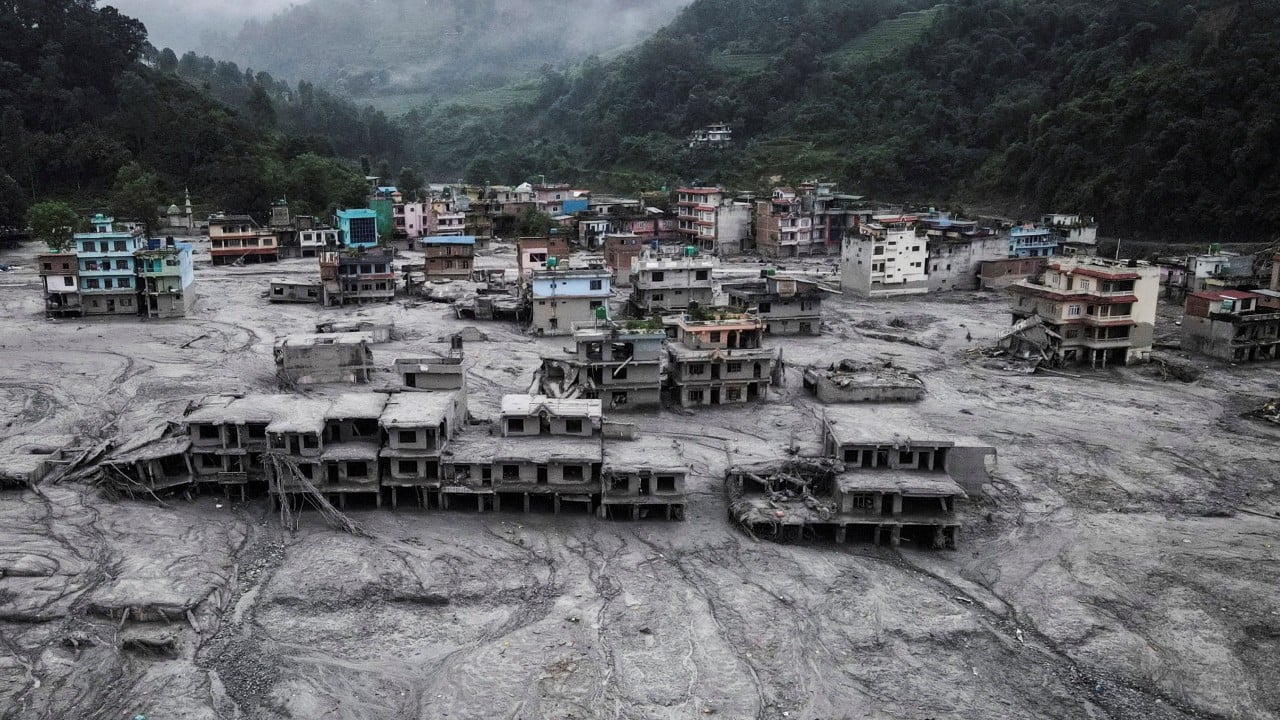
Disasters don't wait for bureaucratic paperwork. When catastrophic flash floods swept through Nepal, wiping out bridges, washing away villages, and killing roughly 1,500 people, the government didn't have months to debate climate policy. They needed cash immediately.
Now, the United Nations has agreed to set aside US$20 million for Nepal through its newly operational Fund for Responding to Loss and Damage. It marks the first time the historic fund has allocated money to any nation since its inception three years ago. But behind the diplomatic applause lies an uncomfortable truth. This milestone payout is a drop in the ocean, exposing deep fractures in how the world handles climate catastrophes.
The Reality Behind the US$20 Million Milestone
Let’s be honest about the numbers. While a twenty-million-dollar allocation sounds substantial on paper, it covers less than half a percent of Nepal's estimated US$4.78 billion reconstruction bill. Infrastructure destruction along the border with China's Tibet region left thousands homeless and devastated multiple hydropower plants.
When Nepali officials filed their emergency request just days after the August disaster, they tested the credibility of a global fund that had sat dormant for years. Developed nations pledged billions, but actual cash transfers lagged miserably. Wealthy countries argued behind closed doors that setting aside money for Nepal shouldn't create a permanent precedent for rapid emergency payouts. They know exactly what's at stake. If the UN starts writing blank checks for every climate disaster, the meager hundreds of millions currently sitting in the fund will vanish overnight.
Why Vulnerable Nations Are Losing Patience
Nepal contributes virtually nothing to global carbon emissions, yet it bears the absolute brunt of erratic monsoons and glacial melting. For years, climate negotiations felt like endless talking shops where rich nations promised financial help while avoiding legal liability for climate destruction.
When Prime Minister Balendra Shah addressed the United Nations, he framed the disaster as a stark warning to industrialized nations. Vulnerable countries are done waiting for polite diplomacy. They want accountability. Organizations like the Center for International Environmental Law are pushing to anchor these disbursements in actual legal obligations rather than voluntary charity.
Yet, resistance remains fierce. Developed economies want strict rules, rigid approval processes, and lengthy project proposals. That approach works fine for long-term adaptation projects, but it completely fails a country dealing with washed-out roads and displaced families right now.
The Flawed Mechanics of Global Climate Finance
The structural issues plaguing the Loss and Damage Fund run deep. First, individual projects face a strict cap of US$20 million. Second, approval isn't instant. Even though the board agreed to reserve the funds, Kathmandu still has to submit a formal project proposal for upcoming board review, meaning real money won't change hands immediately.
This disconnect highlights a massive systemic failure. If a specialized climate disaster fund takes months to clear paperwork after a mass-casualty event, communities are left relying on local resilience and whatever foreign aid they can scavenge independently.
What Comes Next for International Climate Policy
The upcoming board meeting in December and global climate summits will reveal whether this Nepal decision was an isolated exception or a genuine turning point. Rich nations are terrified of opening floodgates of liability. Developing nations are equally determined to force rich countries to pay their climate debts.
If you are tracking where international climate politics is heading, keep your eyes on how fast this money actually moves. A fund designed for loss and damage must prove it can deliver funds before the headlines fade and the rubble gets swept away. Otherwise, it's just another empty promise.