A massive US Air Force C-17 Globemaster touching down at Moscow's Vnukovo Airport doesn't happen on a casual Tuesday. Flight tracking data lit up global intelligence channels when the heavy military transport aircraft materialized in Russian airspace, arriving via Riga, Latvia. Naturally, the Kremlin played dumb, claiming total ignorance while observers joked online about an invasion.
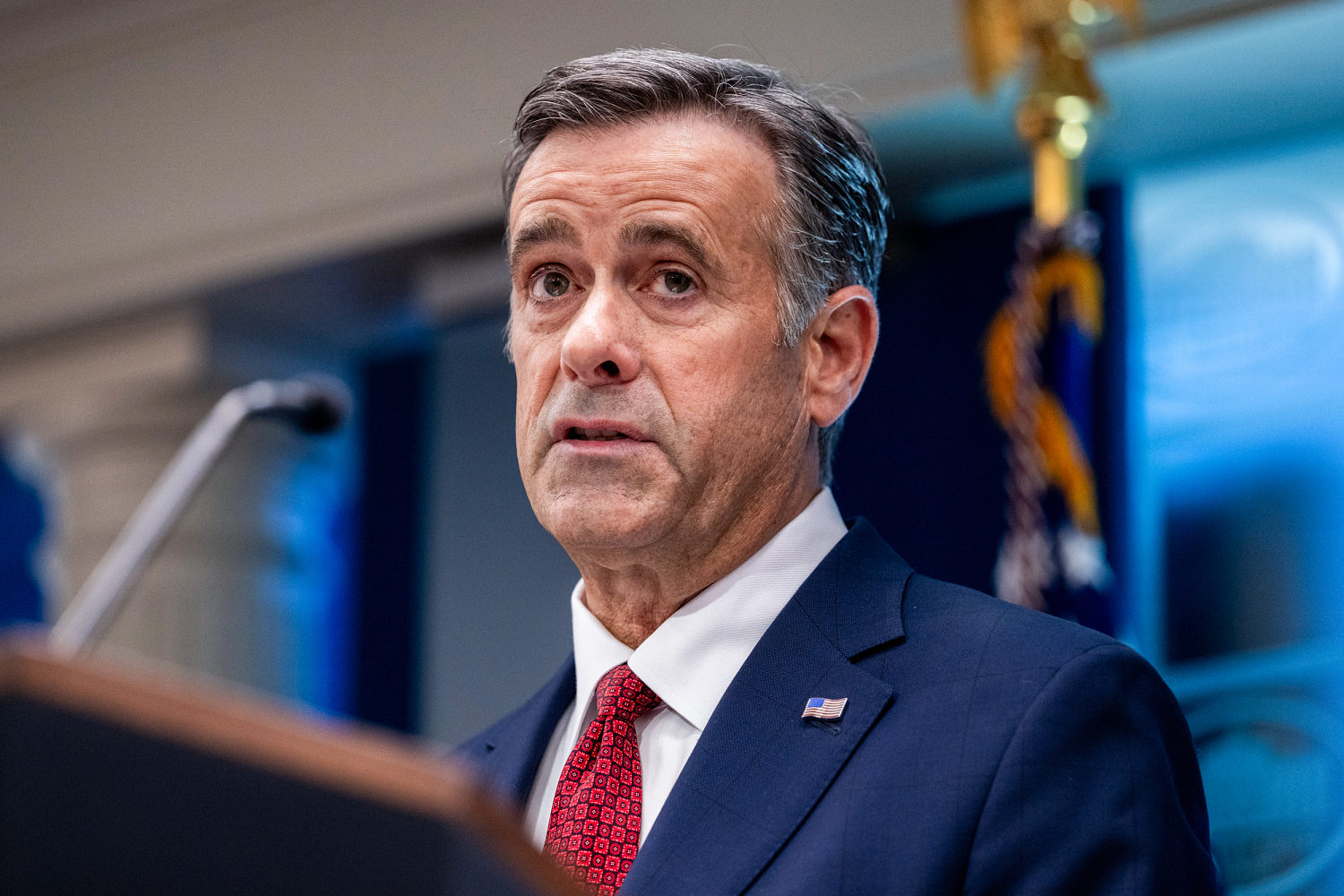
Behind the public confusion lies a much heavier reality. Sources confirmed that CIA Director John Ratcliffe quietly flew to Moscow for unannounced high-level meetings. When a sitting American intelligence chief boards a military transport bound for the capital of a primary adversary, normal diplomatic channels have completely failed or shifted behind closed doors.
Decoding the Flight Path
Let's look at the logistics. The Boeing C-17A departed Joint Base Andrews in Maryland, the nerve center for presidential and elite military transport, before stopping in Latvia and making the final jump to Moscow. Direct flights between US-registered aircraft and Russian soil are exceptionally rare. Aside from sporadic backchannel missions by special envoys, American government iron rarely touches Russian tarmac.
When spotters saw the accompanying diplomatic motorcade waiting on the Russian runway, the theories exploded. Was it a prisoner swap layout? A fresh framework for stalled Ukraine negotiations? Or a tense de-escalation warning regarding broader geopolitical flashpoints?
Intelligence operations of this magnitude carry specific procedural signatures. High-stakes visits managed directly by the Central Intelligence Agency rather than the State Department usually mean one thing. Washington and Moscow are bypassing traditional diplomacy to talk raw power, security guarantees, or immediate crisis management.
Why Intelligence Backchannels Matter Now
Diplomacy in public is theater. Real arrangements happen when spies meet in secure rooms. With formal peace talks over the Ukraine war stalled out for months, structural exhaustion has set in across international capitals. Neither side wants a wider, direct confrontation, yet both are locked into positions that make public compromise impossible.
This is where agency directors step in. Ratcliffe's unexpected presence points to a direct communication line bypassing the noise. Past covert or semi-covert delegations have successfully secured major high-profile releases, such as detained American journalists and citizens, but a visit by the sitting CIA chief dwarfs standard consular negotiations.
When you track the history of top-tier American intelligence visits to Moscow, they generally precede massive shifts or frantic efforts to avert imminent escalation. You don't send the head of the CIA across enemy lines just to exchange pleasantries.
What Happens Next
Expect official statements to remain tight-lipped or dismissive. Governments involved in sensitive intelligence talks rarely confirm details until agreements are locked down or forced into the open by leaks. Keep your eyes on subtle shifts in rhetoric from both Washington and Moscow over the coming days, because what started as a tracked military flight has just altered the entire diplomatic chessboard.