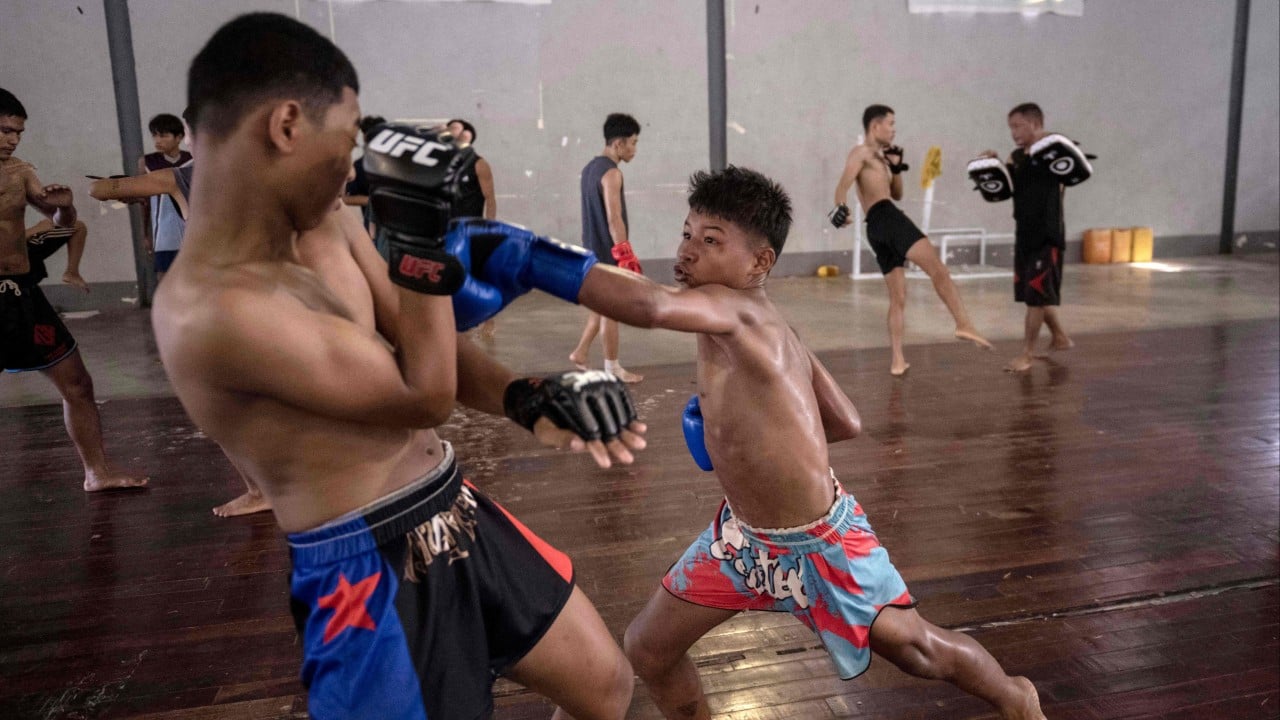
Civil war doesn't leave much room for normal teenage years. In Myanmar, a generation grows up surrounded by military checkpoints, curfews, and the constant hum of a five-year conflict that has claimed over 100,000 lives according to monitoring groups like ACLED. While many young people get pulled into marching for various armed factions, a growing number choose a different kind of arena entirely. They step into the sweat-soaked gyms of Karen State to practice lethwei, the brutal national combat sport where bare knuckles and flying headbutts are just part of the job.
It sounds contradictory. Why would a country drowning in real-world violence gravitate toward one of the bloodiest combat sports on earth? The answer has nothing to do with cruelty and everything to do with agency.
The Art of Nine Limbs Explained
Lethwei isn't kickboxing. People often confuse the two until they see a fighter drop an opponent with a deliberate crack of the forehead. Known locally as the "Art of Nine Limbs," the sport uses fists, elbows, knees, feet, and the head. Fights have traditionally lacked gloves—competitors wrap their hands in thin gauze and tape, absorbing every impact raw.
For young fighters training under the jagged limestone karsts of Hpa-an, the capital of Karen State, this discipline offers a stark contrast to the chaos outside. Nineteen-year-old Su Luck fights under the ironic ring name "Peace Prize." She wakes up before dawn alongside a hundred other teenagers to run tracks and beat heavy bags until her clothes are soaked through.
"I can't live without fighting," she says. She doesn't mean she loves street brawls. She means the ring gives her a structure that the outside world destroyed.
Why the Ring Beats the Battlefield
Let's be clear about what's happening on the ground. Traveling from Yangon to Hpa-an means passing through a dozen checkpoints run by militia groups or the military. The future feels locked behind closed doors for anyone trying to find standard work or education.
In that environment, boxing offers an alternative code of conduct. Veteran coach Saw Kyaw Thein Tuu puts it bluntly. He has spent decades watching matches, noting that lethwei acts as an ancient form of self-defense when everything else fails. But for the fighters themselves, it's about honor.
Fighting in the ring has rules. It has referees, mutual respect, and a clear beginning and end. Fights outside the ropes have none of those things. As Su Luck notes, trading blows under the stadium lights feels infinitely more honorable than dodging bullets in an alleyway.
The Weight of the Tradition
Of course, romanticizing lethwei ignores its physical toll. This isn't a safe hobby. Coach Saw Kyaw Thein Tuu admits to witnessing fatalities over his long career, noting that the sport pushes boundaries so far it barely resembles traditional athletics.
Fighters like 22-year-old Moe Hein acknowledge the emotional weight of it. Hurting someone in the ring doesn't always feel good. Bruises, cuts, and concussions are guaranteed. Yet, these athletes keep showing up because the alternative—sitting idly while your country tears itself apart—feels much worse.
International promotions have tried to commercialize or soften the rules to make it digestible for global streaming audiences, but local fighters and traditionalists resist. They want the raw edge kept intact. To them, watering down the rules strips away the exact thing that makes the sport real.
Finding Purpose in the Chaos
You won't find easy answers in Myanmar's sports halls. There's no corporate wellness spin to put on bareknuckle boxing. It hurts, it's dangerous, and it demands absolute physical sacrifice.
Yet, for teenagers whose lives have been upended by political turmoil, the gym is the one place where they control the outcome. Every dropped shoulder, every blocked kick, and every hard lesson learned on the canvas belongs entirely to them.
Stop looking for clean narratives in messy wars. Sometimes, survival looks like lacing up gauze, stepping through the ropes, and refusing to let go of what's left of your identity.
Myanmar Fighters Find Purpose in Brutal Lethwei
This video provides an inside look at how young fighters and coaches in Myanmar are utilizing traditional lethwei training to find community and resilience amidst ongoing conflict.
http://googleusercontent.com/youtube_content/1