Diplomacy is messy. Sometimes it stinks of spilled lager and complicity.
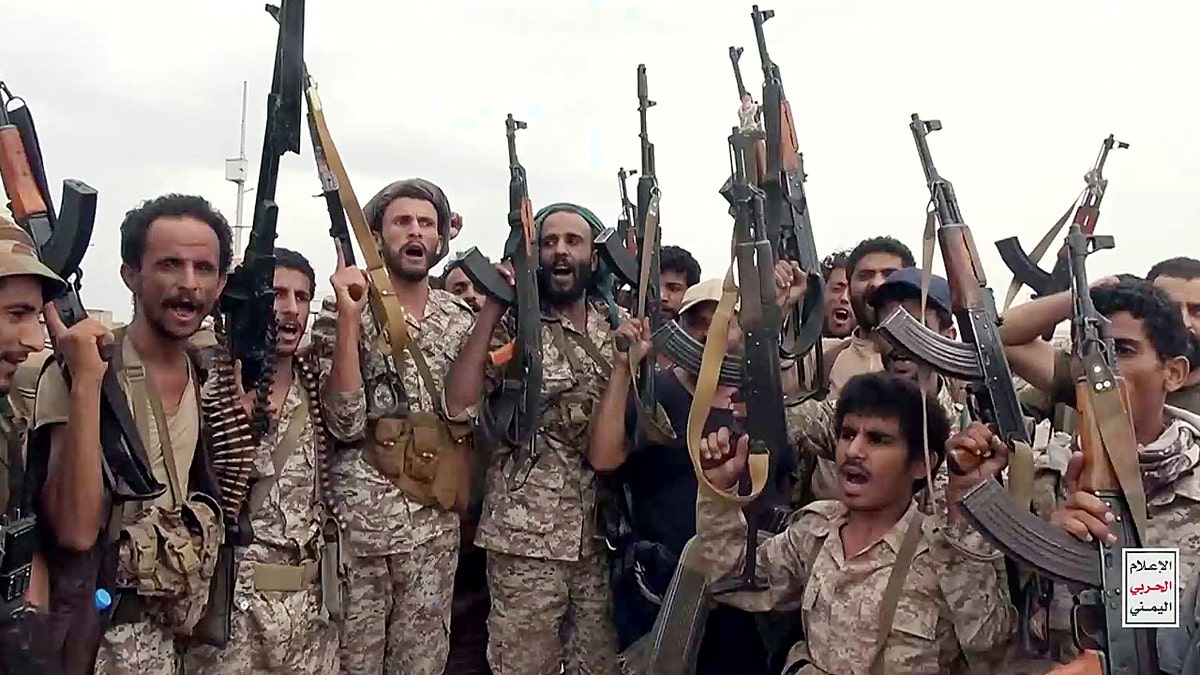
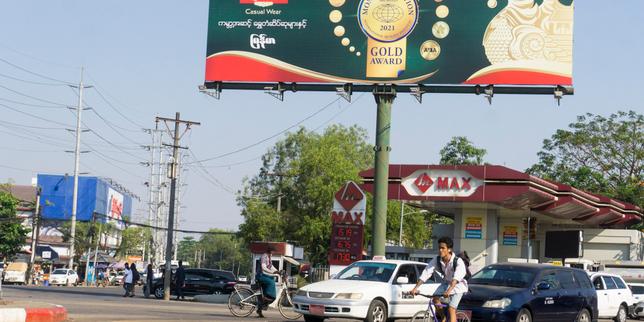
Picture the scene. A gilded hall inside the Quai dOrsay, the headquarters of the French Ministry for Foreign Affairs. People are mingling, clinking crystal glasses, and celebrating excellence in the beverage industry. Sounds harmless, right? Except the grand winner of a massive medal haul was Dagon Beer, a brand directly owned by the Myanmar military junta. Yes, the very same regime currently waging a brutal civil war against its own population, bombing villages, and arresting dissidents en masse.
How does a product tied to a bloody military dictatorship end up winning accolades in the heart of French diplomacy? It is an administrative failure, a blind spot of global supply chains, and a stark reminder of how quiet economic ties persist while politicians issue stern condemnations on television.
Let us look at how this happened and why nobody involved seems willing to take responsibility.
The Blind Spots of International Competitions
Beverage competitions operate on a simple premise. They taste liquids blind, judge them based on technical merits like foam retention, bitterness balance, and fermentation cleanliness, and hand out shiny metal tokens. They usually don't check the human rights record of the parent company.
That is the loophole. Dagon Beer didn't show up to the Quai dOrsay wearing military fatigues. It arrived through standard commercial entry routes, handled by distributors or agents who treat beer as just another fermented grain product. To the judges and organizers, it was just a dark lager or a pilsner from Southeast Asia.
When you strip a product down to its chemistry, you lose the context. But you cannot separate Myanmar economic enterprises from the generals who run them. The Myanmar Economic Corporation (MEC), a sprawling military conglomerate, controls vast sectors of the local economy, including manufacturing, steel, banking, and yes, alcoholic beverages like Dagon. Every bottle sold funnels cash straight back into the pockets of commanders who buy fighter jets and artillery shells.
Winning a medal in Paris gives these products a veneer of global respectability. It provides marketing ammunition. Suddenly, a brand backed by a pariah regime can wave European credentials in domestic or regional markets, pretending everything is normal.
The Quai dOrsay Embarrassment
Hosting an event where a junta-linked brand picks up medals is a PR nightmare for French diplomacy. France has routinely criticized the military coup that overthrew the civilian government in Myanmar back in 2021. Paris has expressed solidarity with the National Unity Government and civil society groups fighting for democracy.
So, how did Dagon Beer get inside the building?
Ministries often rent out or partner with external organizations, chambers of commerce, or independent trade associations for tasting events and award ceremonies. Bureaucracy moves slowly, and vetting procedures for commercial beverage entrants rarely involve deep-dive geopolitical background checks by counter-intelligence teams. Someone filled out a form, paid an entry fee, shipped the bottles, and the judges did what judges do.
Yet, optics matter. When you represent a major democratic nation, hosting an event that inadvertently celebrates the commercial arms of a murderous junta looks careless. Critics and human rights activists were quick to point out the glaring contradiction. You cannot sanction military leaders with one hand while handing their corporate front companies a diploma in Paris with the other.
Why Economic Sanctions Fail on the Ground
This incident exposes a deeper truth about international trade. Sanctions are notoriously leaky. Western governments love placing sweeping bans on arms sales, freezing high-profile bank accounts, and targeting specific generals. But consumer goods, foodstuffs, and regional commodities often slip through the cracks or hide behind complex corporate layers.
Myanmar's military leaders have spent decades learning how to evade international pressure. They set up shell companies, partner with regional syndicates in neighboring countries like Thailand, Singapore, or China, and launder their revenues through layered business structures.
If you trace the supply chain of everyday items tied to the junta, you find a tangled web of intermediaries. A European tasting event might not be directly violating sanctions if the specific corporate entity isn't explicitly blacklisted on every minor commercial registry, but it certainly violates the spirit of international isolation.
When corporate greed meets bureaucratic laziness, dictatorships get a free pass to market their goods in European capitals.
What Needs to Change Right Now
If Western governments want their foreign policy to have teeth, consistency is non-negotiable. You cannot compartmentalize trade and human rights.
First, trade bodies and private tasting competitions need basic ethical screening. If an enterprise is owned or controlled by a sanctioned military regime, it should be disqualified from participating in public-facing events, especially those held on government property.
Second, ministries need tighter controls over who uses their venues. Allowing external groups to host commercial award ceremonies without proper vetting turns prestigious state buildings into free billboards for unsavory regimes.
Finally, consumers and watchdogs must keep applying pressure. Shine a light on these absurd paradoxes. Force the bureaucrats to answer awkward questions about how a brewery funding artillery shells got a shiny gold sticker in Paris.
Stop pretending commerce is neutral. Money talks, and right now, it is speaking fluent hypocrisy.