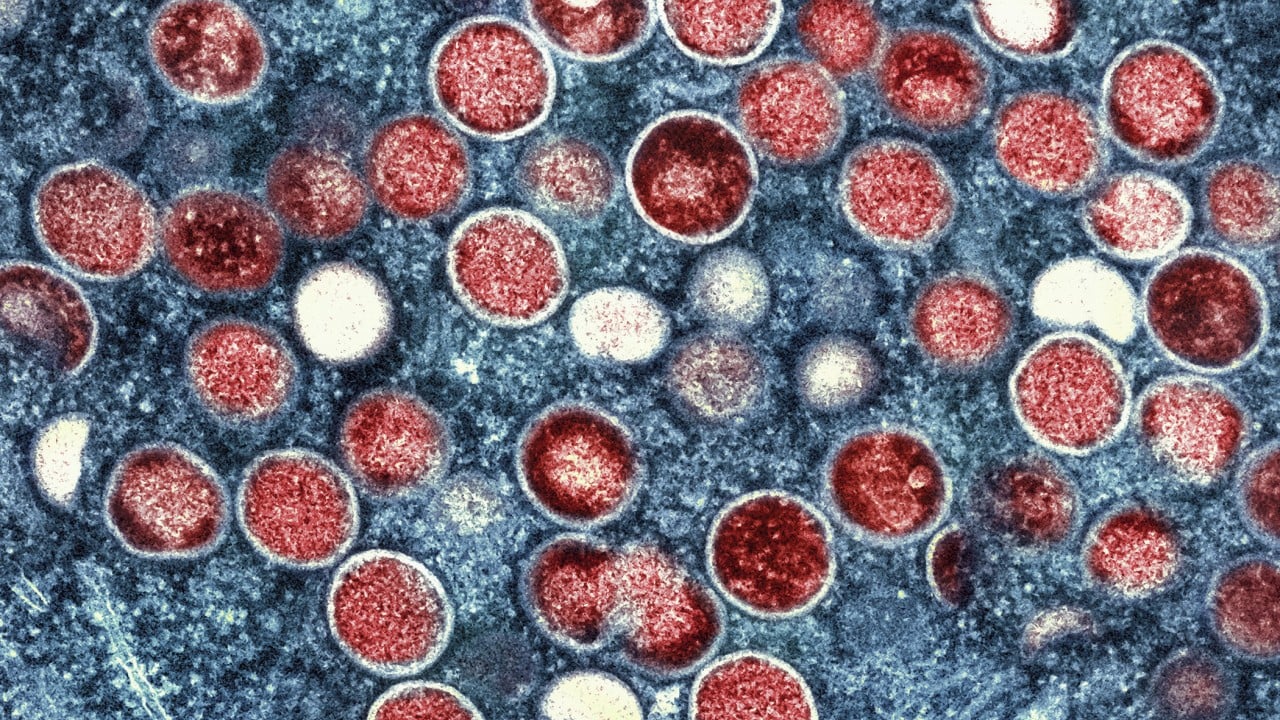
Mpox is back in the headlines, and the numbers tell an urgent story. Hong Kong has recorded 21 mpox cases since August alone. That surge accounts for a massive 70 per cent of the city's total infections for the entire year.
If you think this virus went away, you're wrong. Health authorities are sounding the alarm, pushing high-risk groups to get vaccinated before transmission chains spin completely out of control.
Let's look at what's actually happening on the ground and how to protect yourself.
Why the Recent Mpox Spike Matters
Numbers in public health reports can feel abstract until you look at the velocity. The latest confirmed case involves a 29-year-old man who attended an outreach vaccination service organized by the Centre for Health Protection (CHP). Staff noticed symptoms on the spot, quickly routing him into isolation treatment at Princess Margaret Hospital. He's stable, but his case pushed Hong Kong's total annual tally to 30.
Twenty-one of those cases clustering since August means transmission is active right now. Epidemiological investigations point to a clear culprit: high-risk sexual behavior during the incubation period. That includes having sex with male strangers, multiple partners, or skipping condoms entirely.
The virus doesn't care about statistics. It spreads through close, personal, skin-to-skin contact, including direct contact with rashes, scabs, or body fluids.
Who Is Actually at Risk
Public health guidance often sounds vague, but Hong Kong's Department of Health is specific about who needs protection. The target list includes anyone engaging in high-risk sexual practices.
If you have multiple sexual partners, work in sex trade industries, or have battled a sexually transmitted infection (STI) in the past 12 months, you're in the crosshairs.
A common mistake is assuming that travel history is mandatory for infection. It isn't. Local transmission chains are active within the city. You don't need to hop on a plane to catch mpox. You just need exposure to an infected person's skin lesions or respiratory droplets during close, prolonged contact.
Spotting the Symptoms Before It Spreads
Mpox tricks people. Early signs mimic a bad flu or routine skin irritation, leading many to delay medical care while continuing to socialize.
Watch out for these classic warning signs:
- A distinct rash or pus-filled skin lesions
- Fever and chills
- Swollen lymph nodes
- Extreme exhaustion
- Muscle aches and severe headaches
If you notice any of these symptoms, stop what you're doing. Avoid physical contact with anyone immediately. Do not go to parties, do not go to work, and do not wait to see if it clears up on its own.
The Vaccine Situation in Hong Kong
Vaccination is your best shield against severe illness and hospitalization. Hong Kong makes getting the jab straightforward for qualifying groups.
You can walk into any of the Department of Health’s Social Hygiene Service clinics—such as the ones in Wan Chai, Yau Ma Tei, Chai Wan, Fanling, or Tuen Mun—without booking an appointment ahead of time. The Yau Ma Tei Integrated Treatment Centre also accepts walk-ins. Clients of specific specialized clinics, like the Kowloon Bay Integrated Treatment Centre or special medical clinics at Queen Elizabeth Hospital and Princess Margaret Hospital, can access jabs directly through their providers.
If you fit the risk criteria, don't wait for an outbreak to hit your immediate social circle. Walk in, get the shot, and cut the transmission chain.