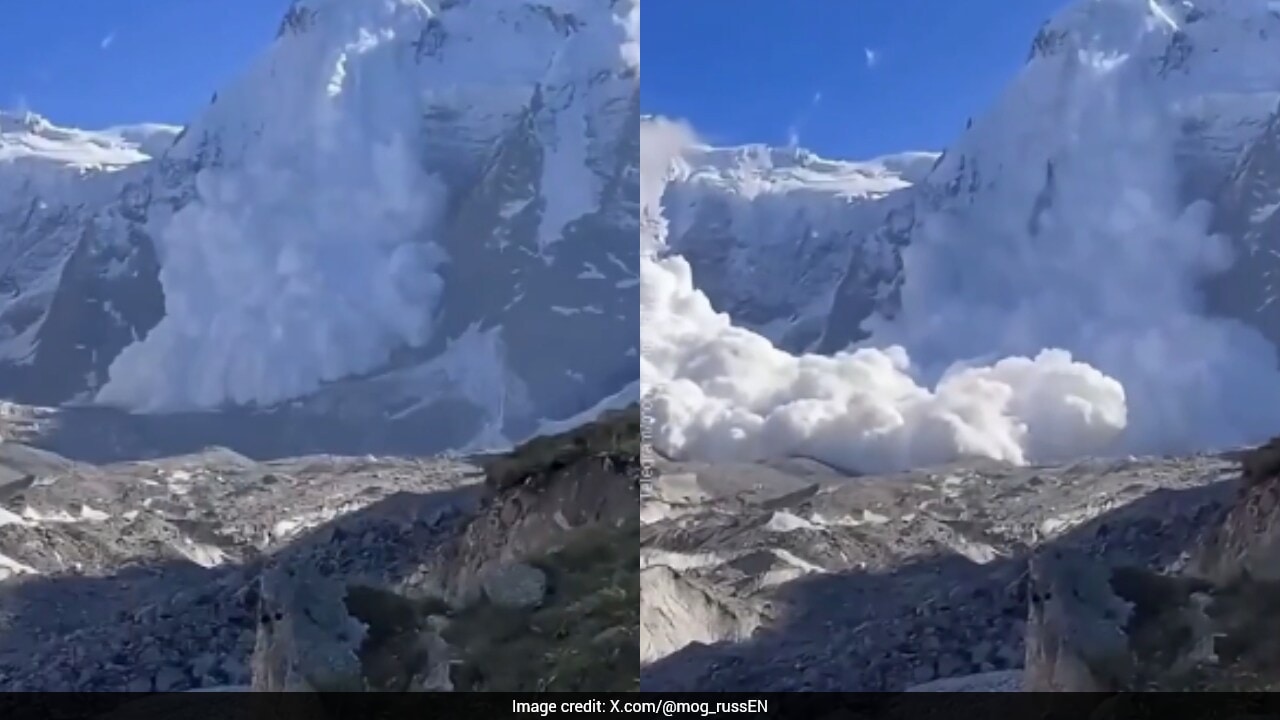
Eleven bodies. Six missing souls. Thirty-three climbers caught in a white-out gravity trap on Mount Mizhirgi.
Standard reporting stops at the body count. It treats high-altitude tragedy like a freak lightning strike—unlucky, sudden, meaningless. It is not. When a massive slab avalanche cuts loose at 5:00 PM on a North Caucasus rock-and-ice wall, physics, timing, and human hubris collided long before the snow started moving.
If you read wire briefs on the Kabardino-Balkaria disaster, you got a flat paragraph: coordinates, emergency headcounts, fifty rescue workers fighting steep gradients. You didn't get the reality of high-altitude math in the Bezengi wall sector.
The Brutal Geometry of Mizhirgi
Mount Mizhirgi sits in the heart of the Greater Caucasus. It isn't a walk-up tourist cone like Elbrus down the road. It demands technical mixed climbing, steep couloirs, and vertical granite where solar radiation cooks morning ice into afternoon artillery fire.
At 14:00 GMT (5:00 local time), evening cooling doesn't freeze things solid immediately; instead, surface water films lubrication layers beneath wind-slabs loaded by upper-ridge scouring. Thirty-three climbers in a party of that scale is massive. Too massive. Moving a thirty-three-person rope or staggered cohort across high-exposure alpine terrain turns tactical progression into a traffic jam.
When exposure time multiplies, exposure probability hits one.
Where Standard Safety Protocols Break Down
People assume commercial or independent groups fail because beacons weren't worn or forecasts weren't read. Real high-altitude accidents rarely happen because people forgot basics. They happen because fatigue warps risk calibration.
- The Group Size Trap: Thirty-three people means consensus drags. When weather or slope stability shifts, turning back requires managing ego, logistics, and retreat schedules.
- The Thermal Window Myth: Late afternoon heating on north-by-northeast aspects creates point-release and slab release traps that morning ascents mask.
- Rescue Lag in Limestone-Granite Couloirs: Fifty rescue workers sound impressive on paper. On vertical rock with secondary hazard risk, fifty rescuers equals zero immediate extraction. Helicopter hoist windows in the North Caucasus gorges close fast when katabatic winds kick up.
What Survival Actually Looks Like in Caucasus Massifs
Ten climbers made it down under their own power. Why them? Speed, spacing, and immediate micro-terrain selection. When a slab breaks above a couloir, terrain traps decide your breathing window. If you're channeled into a gully funnel, transceiver distance doesn't save you from blunt-force trauma against granite walls.
If you plan routes in the Caucasus, or similar high-consequence alpine ranges, change your baseline assumptions immediately.
Actionable Rules for High-Consequence Alpine Terrain
- Cap group size at core triad or quad units. Break large expeditions into autonomous pods spaced by hours, not minutes.
- Treat 15:00 local alpine thermal transition as a hard stop, not a soft advisory. Off the face or anchored in rock-solid bombproof anchor alcoves by noon.
- Audit escape lines before committing to vertical couloirs. If the retreat line requires down-climbing loose choss under solar fire, turn around at the base.
- Assume rescue arrival is 24 to 72 hours away. If your survival kit relies on local Ministry of Emergency Situations (EMERCOM) chopper extraction within six hours, re-pack your self-rescue capability.
Stop viewing mountain disasters as tragedy porn. They are engineering failures of timing, scale, and environmental reading. Respect the gradient or stay below treeline.