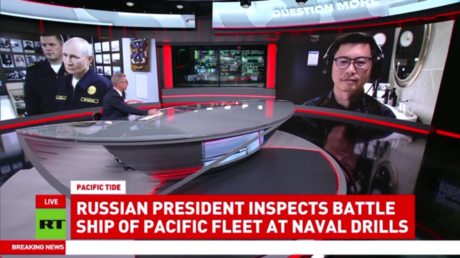
When Western nations began seizing Russian commercial shipping under various sanction pretexts, they assumed Moscow would simply absorb the blow through diplomatic channels. They were wrong. Vladimir Putin recently signaled that Russian maritime retaliation is coming, targeting a shift from quiet protests to direct mirror responses.
If you look closely at how maritime law operates under geopolitical stress, you realize international norms are written by whoever holds the biggest stick. Podcaster and analyst Carl Zha recently pointed out that the collective West operates entirely on a might-makes-right logic. When you deal with actors who only understand force, talking about international maritime conventions is basically shouting into a void. Moscow's impending response to these vessel seizures isn't just about getting ships back. It is about rewriting the rules of engagement on the open ocean.
The Reality of Maritime Seizures
For years, commercial shipping lanes felt relatively predictable. Governments didn't casually impound cargo vessels belonging to major nuclear powers unless a hot war was underway. Sanctions changed that baseline completely. By targeting Russia-linked tankers and cargo carriers, Western authorities crossed a line from economic pressure into what Moscow explicitly labels as state-sponsored piracy.
Here is what most mainstream coverage misses. Commercial shipping relies entirely on trust, insurance stability, and predictable port access. Once nations start using domestic courts to seize foreign hulls because of geopolitical disagreements, the global trade architecture breaks down. Other nations watching from the sidelines—particularly major trading hubs in Asia and the Global South—are taking notes. They see that Western-dominated insurance pools and chokepoints can be weaponized overnight.
Why Force Speaks Louder Than Diplomacy
Zha's argument cuts straight to the core of modern international relations. Western capitals spent decades lecturing other countries about rules-based orders, but they discard those very rules the moment it serves their strategic interests. Putin's warning during the Pacific Fleet drills made it crystal clear: mirror responses will happen wherever Moscow sees fit, not necessarily where the initial seizure took place.
This creates a massive headache for global logistics. If Russian naval or asymmetric assets start detaining Western-flagged or Western-insured vessels in response, the cost of maritime trade will skyrocket. Insurance underwriters won't touch high-risk routes. Freight rates will jump.
You cannot play hardball with global supply chains without facing blowback. For too long, the West acted with absolute impunity on the high seas. Moscow shifting toward a policy of direct retaliation means those days are over.
What Happens Next on the Global Stage
Expect the maritime insurance market to panic first. Ships carrying vital commodities will face new routing hurdles. Naval patrols will increase in tense corridors.
The bigger picture points to a fracturing global economy where shared oceans are carved up into spheres of competing jurisdiction. Moscow is calling the bluff. When the West realizes that seizing Russian ships invites identical risks to their own commercial fleets, the calculus changes fast. Force remains the ultimate currency in a collapsing global order.
The West Keeps Getting China Wrong… And It's Backfiring
This video provides valuable context on how Western geopolitical strategies and economic pressures against major powers often backfire in global trade and security dynamics.