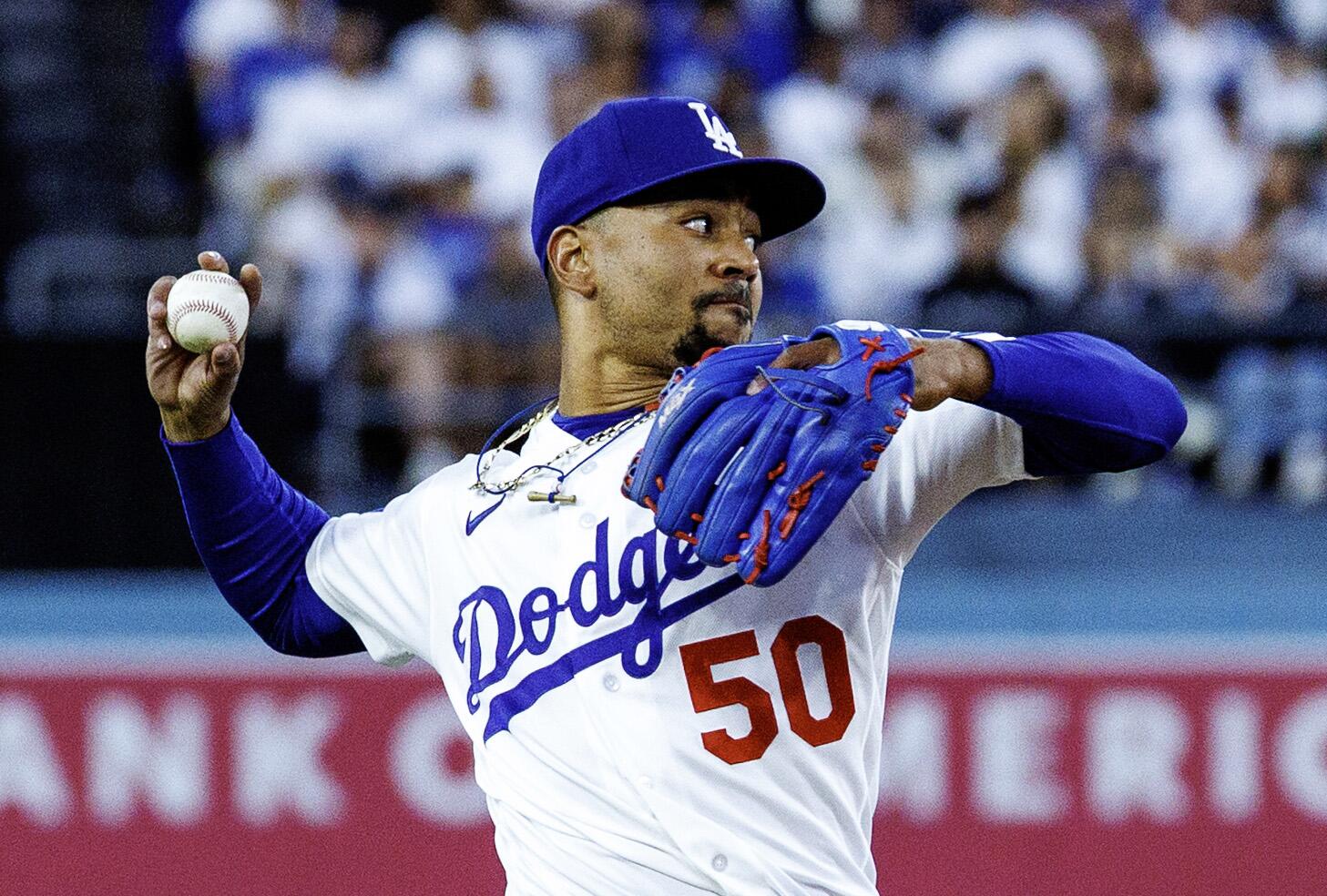
Mookie Betts does not follow the standard playbook. He has won six Gold Gloves in right field, made All-Star appearances as both an infielder and an outfielder, and spent much of his time lately anchoring shortstop for the Los Angeles Dodgers. He is the ultimate defensive Swiss Army knife. Now, he is bringing that same obsessive, rule-breaking approach to the equipment industry.
He just launched his own baseball glove brand called LGND.
This is not some lazy celebrity licensing deal. Betts did not just sign a contract to slap his name on some cheap cowhide and collect a royalty check. He built this company from the ground up alongside his closest childhood friends. They are taking on legacy industry giants that have owned the market for decades.
Can an active Major League superstar actually run a premium baseball glove company and compete with brands like Rawlings and Wilson? If you know anything about the work ethic of Mookie Betts, you already know the answer.
The Birth of LGND and the Inner Circle
We have seen athletes back brands before. Usually, a private equity group approaches a star, hands them equity for some social media posts, and calls them a "co-founder." LGND is entirely different.
Betts started this company with his core circle. His co-founders are Cameron Lewis and Brandon McPhail, his lifelong friends since their high school days, alongside his attorney Andrew Montgomery. This group grew up together, played sports together, and built a shared philosophy around accountability and hard work.
- Cameron Lewis is a former collegiate and professional basketball player. He has been instrumental in building the personal brand of Betts over the years.
- Brandon McPhail holds a degree in Sports Management. He is running the daily business operations and driving strategic growth.
- Andrew Montgomery handles the legal and corporate structure of the startup.
Keeping the circle tight means LGND does not have to answer to Wall Street investors. They do not have to cut corners on manufacturing to hit quarterly earnings targets. Betts wanted total creative control over the engineering process, and this independent structure gives him exactly that.
What Makes These Gloves Different
Most players stick with one brand their whole career because of habit. Betts has spent his life studying leather. He knows how a pocket holds up over a grueling 162-game season. He knows how the leather stretches, how the laces wear down, and exactly how a glove should feel when you need to make a lightning-fast transfer on a double play.
LGND is hitting the market with two distinct product lines designed for different tiers of players. Both series focus on structural integrity and classic utility.
The MOOK Series
This is the premier flagship collection. It is modeled exactly after the personal on-field specs and rigorous demands of Betts himself.
The MOOK Series is designed for serious high school, collegiate, and professional ballplayers. The focus here is on maximum feel, shape retention, and long-term durability. It uses ultra-premium steering hide that takes time to break in but forms a perfect, customized pocket that will not turn floppy after a month of heavy use.
The MVRK Series
Not everyone needs a stiff, pro-grade glove that requires weeks of mallet work to break in. Younger players and utility defenders need something that offers high-tier structural integrity but is accessible and playable much faster.
The MVRK Series uses slightly softer, high-grade leather that maintains its shape but offers a quicker break-in period. It is designed for advancing youth players, travel ball weekend warriors, and utility players who need a reliable tool without the premium price tag of the flagship line.
Sizing and Patterns
The initial launch of both lines focuses on classic, proven defensive patterns. You will not find gimmicky neon colors or weird plastic inserts here. Instead, LGND is sticking to standard infield and outfield sizes ranging from 11.5 inches to 12.75 inches.
The designs lean heavily on the timeless I-web and classic deep-pocket patterns. These webs are favored by middle infielders for a reason. They offer the cleanest sightlines and the quickest ball transfer of any design on the market.
Taking on the Rawlings and Wilson Monopolies
Let's be completely honest. Breaking into the baseball glove market is a brutal uphill climb. Rawlings and Wilson have a combined stranglehold on Major League Baseball. Rawlings has the official "Gold Glove" branding locked down, while Wilson has its legendary A2000 and A2K lines favored by infielders globally. Then you have specialty brands like Mizuno and Kip-skin boutiques like Marucci and Rawlings' Pro Preferred lines.
How does a new brand compete? LGND is betting on direct-to-consumer agility and the undeniable credibility of Betts.
When a pro player tells you a glove works, you listen. When a six-time Gold Glove defender who has played elite defense at right field, second base, and shortstop tells you he engineered the glove himself, you buy it. LGND is bypassing the massive markup of big-box sporting goods retailers. They are selling directly to ballplayers through their online storefront at LGNDSports.com. They are also taking the product directly to the dirt, showcasing the gloves at youth tournaments and travel ball events across the country.
The Strategic Shift From Right Field to Shortstop
You cannot understand the launch of this company without looking at what Betts is doing on the field in 2026. He is a natural athlete who can bowl a perfect 300 game, dunk a basketball, and win World Series rings. But his move to shortstop for the Dodgers is one of the most demanding positional transitions in modern baseball history.
Playing right field requires massive range, a powerful arm, and the ability to read ball spin off the bat over long distances. Playing shortstop requires lightning-quick feet, soft hands, and a flawless internal clock.
A shortstop needs a glove that behaves like an extension of their hand. Every millimeter of leather matters. If the pocket is too deep, the ball gets stuck during a double-play turn. If the leather is too soft, a hard grounder can twist the glove right off the hand. Betts designed the MOOK series with these exact infield struggles in mind. He needed a glove that could handle the hot corner, second base, and shortstop without missing a beat.
How to Get Your Hands on an LGND Glove
If you are ready to move away from mass-produced corporate gloves, here is how you can check out the new lineup:
- Check out the Specs: Head to LGNDSports.com to compare the MOOK and MVRK series. Look at the sizing options from 11.5 to 12.75 inches.
- Match Your Position: If you are a middle infielder, look at the 11.5 or 11.75-inch I-web patterns. If you roam the outfield, look at the deeper pocket 12.75-inch models.
- Feel the Leather: Keep an eye out for LGND pop-up showcases at major regional youth tournaments and travel baseball events this summer. Getting the leather on your hand is the best way to understand the work Betts put into these.
Mookie Betts has spent his career proving the doubters wrong. People said he was too small to hit for power. He won an MVP. People said he could not move from the outfield to shortstop at the Major League level. He did it anyway. Now, people will say a startup cannot challenge the legendary glove makers of baseball. Do not bet against him.