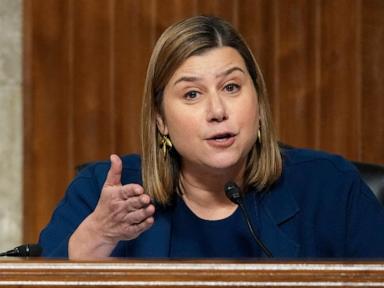
The ballot box shouldn't look like a barracks. When you walk into your local polling station this November, you expect to see neighbors, poll workers, and maybe a few campaign volunteers. You don't expect to see armed service members. That's why Michigan Senator Elissa Slotkin is pressing Defense Secretary Pete Hegseth and Chairman of the Joint Chiefs General Dan Caine for a written guarantee: the military will stay out of the 2026 midterm elections.
It sounds like a simple request. But in today's heated political climate, "simple" is a relative term.
Why This Matters Now
You’ve seen the headlines. The suspicion that the administration might use federal troops to "monitor" voting or seize election materials isn't coming out of thin air. It’s built on a history of high-stakes rhetoric and controversial deployments.
In 2025, active-duty Marines were moved into Los Angeles during an immigration crackdown. That signaled a shift in how federal forces can be utilized on domestic soil. Couple that with past comments—including talk from the White House about potentially using the military to handle "election integrity"—and you have a recipe for serious public anxiety.
Senator Slotkin’s letter boils down to one goal: keeping the Department of Defense focused on national defense, not internal politics. The law is actually on her side. Federal statutes—specifically those involving the Posse Comitatus Act and associated limitations—generally prohibit using the military for domestic law enforcement at the polls unless there's a direct threat from "armed enemies." Protecting the ballot box from American citizens doesn't fit that description.
The Problem With Ambiguity
I’ve watched enough of these committee hearings to know how they usually go. You get a "gotcha" question, the official gets defensive, and the public gets a non-answer. Earlier this year, when Slotkin asked Hegseth if he would seize ballots if ordered, he called it a "gotcha hypothetical."
That’s a problem. When citizens hear their leaders refuse to rule out military intervention in a civil process, they lose trust. We aren't talking about a war game or an overseas conflict. We’re talking about the bedrock of democracy.
The military prides itself on being apolitical. It’s an institution that takes an oath to the Constitution, not a person. General Dan Caine and Secretary Hegseth are currently in the spotlight because their silence or their vague answers leave the door open to speculation. If they want to maintain the military’s credibility, they need to be explicit.
What You Need To Know
If you’re worried about this, don’t just wait for the news to tell you what happened. Watch the follow-up. The Pentagon says it will respond to the Senator, but don't hold your breath for a headline-grabbing admission of concern.
- The Legal Reality: The military isn't allowed to police your polling place. If you see federal troops at a non-federal facility, that's almost certainly a violation of long-standing norms and possibly the law.
- The National Guard Factor: This is where things get tricky. The National Guard often operates under state control, meaning a Governor has more say than the Secretary of Defense. Keep an eye on your state-level politics, not just federal ones.
- The "Groundwork" Theory: Whether you agree with Slotkin’s assessment that the administration is "laying breadcrumbs" to challenge election results, the fact that a sitting Senator feels the need to send this letter is a red flag for the health of our civic institutions.
Staying Informed
You’re looking for stability in an unpredictable cycle. The best way to protect the integrity of your vote is to know your local election laws. In most states, there are very clear rules about who can stand inside or near a polling location. If someone shows up in uniform without a specific, legal, and pre-authorized reason, that’s a clear issue for your local election board.
Don't let the noise distract you from the process. If these officials won't give a straight answer, it's on us to keep asking until the lines are drawn in permanent ink. The military has one job: protecting the country from external threats. Let's make sure they keep it that way.
Pete Hegseth and Gen Dan Caine's Recent Testimony
This video provides important context regarding the recent budget and policy hearings where Secretary Hegseth and General Caine addressed broader questions about U.S. military readiness and their current strategic priorities.
http://googleusercontent.com/youtube_content/1