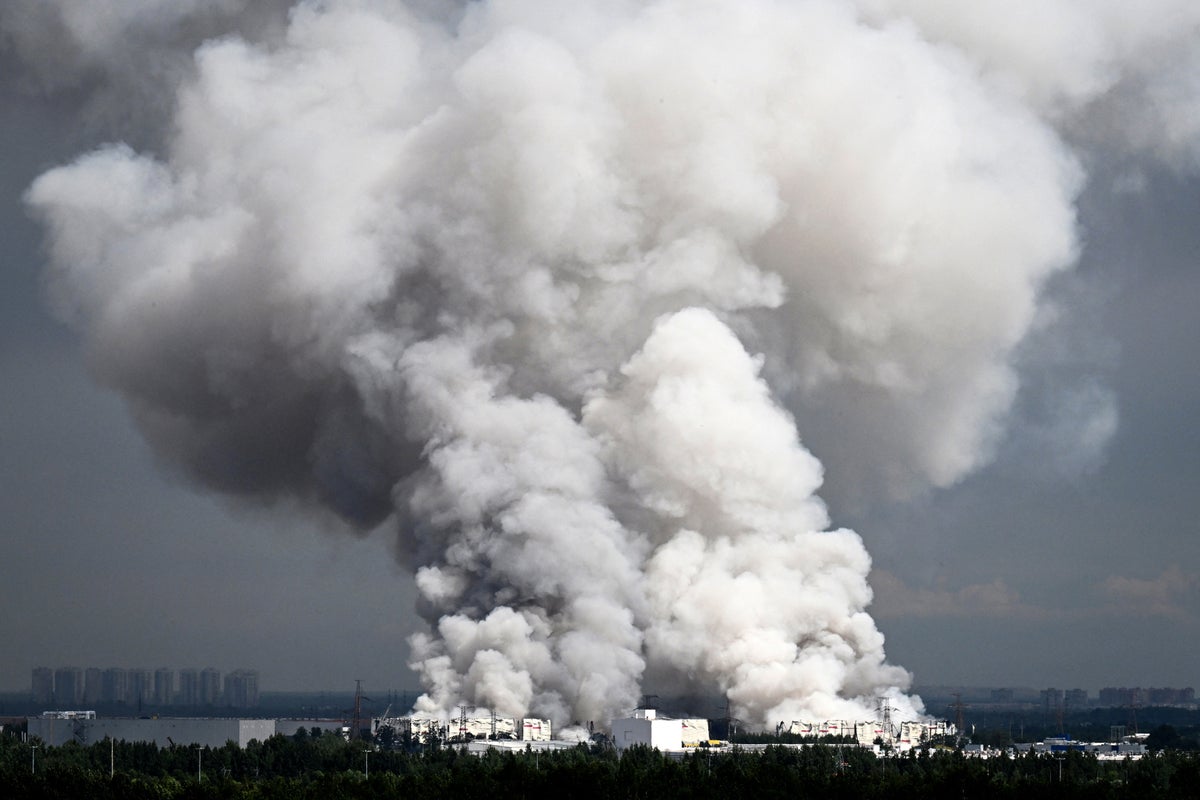
When the United States and Iran start trading missile strikes, your gas tank feels it within days. Crude markets are currently reacting to a brutal reality check as the Middle East edges closer to a wider conflict. Brent crude surged past $87 a barrel following fresh military exchanges in Iraq and Jordan.
If you think this is just another temporary market blip, you're missing the bigger picture. The ongoing standoff over the Strait of Hormuz isn't just about regional posturing. It is choking off global energy supplies and sending shockwaves through Wall Street.
The Strait of Hormuz Chokepoint Explained
Everything boils down to geography. A massive chunk of the world's petroleum passes through a narrow channel between Oman and Iran. When tensions flare, shipping operations grind to a halt. Tankers get hit, insurance rates skyrocket, and cargo rerouting adds weeks to delivery times.
Traders learned the hard way that fragile ceasefires mean nothing. Every time diplomacy fails, oil prices spike instantly.
- Brent Benchmark: Hit roughly $87 a barrel after recent airstrikes.
- WTI Benchmark: Hovering near $82 a barrel.
- Retail Pain: Average gasoline prices sit above $4 a gallon, up sharply from pre-conflict baselines.
Why Stock Markets Are Wobbling
Investors hate uncertainty more than bad news. Global equities took a direct hit as the latest round of fighting broke out. Energy stocks might see short-term gains, but the broader market hates high energy costs. Manufacturing firms, airlines, and logistics companies absorb these high fuel expenses directly. Profit margins shrink overnight.
When you look at consumer discretionary spending, the picture gets uglier. People spending an extra dollar or two per gallon of gas cut back on retail purchases. Retail earnings reports already reflect that pressure.
What Happens Next to Energy Markets
Don't expect a quick fix. The core disagreement remains unresolved. Iran wants leverage over maritime routes, while Washington and its allies refuse to hand over control of crucial shipping lanes. Until a permanent diplomatic framework secures the gulf, expect extreme price volatility.
Keep an eye on shipping insurance rates and tanker tracking data rather than political speeches. That is where you will see the true indicator of whether oil prices are about to stabilize or surge toward triple digits again.
Iran War: Stocks Rally, Oil Swings As US Weighs End to War
This video provides an inside look at how shifting political signals and maritime attacks immediately sway crude valuations and global equities.