Your morning toast is under fire again. The United States just slammed the brakes on avocado imports from Michoacán, Mexico’s top-producing state, citing a vague safety threat to American interests. Washington yanked its USDA inspectors out of the region, shutting down an economic pipeline worth billions.
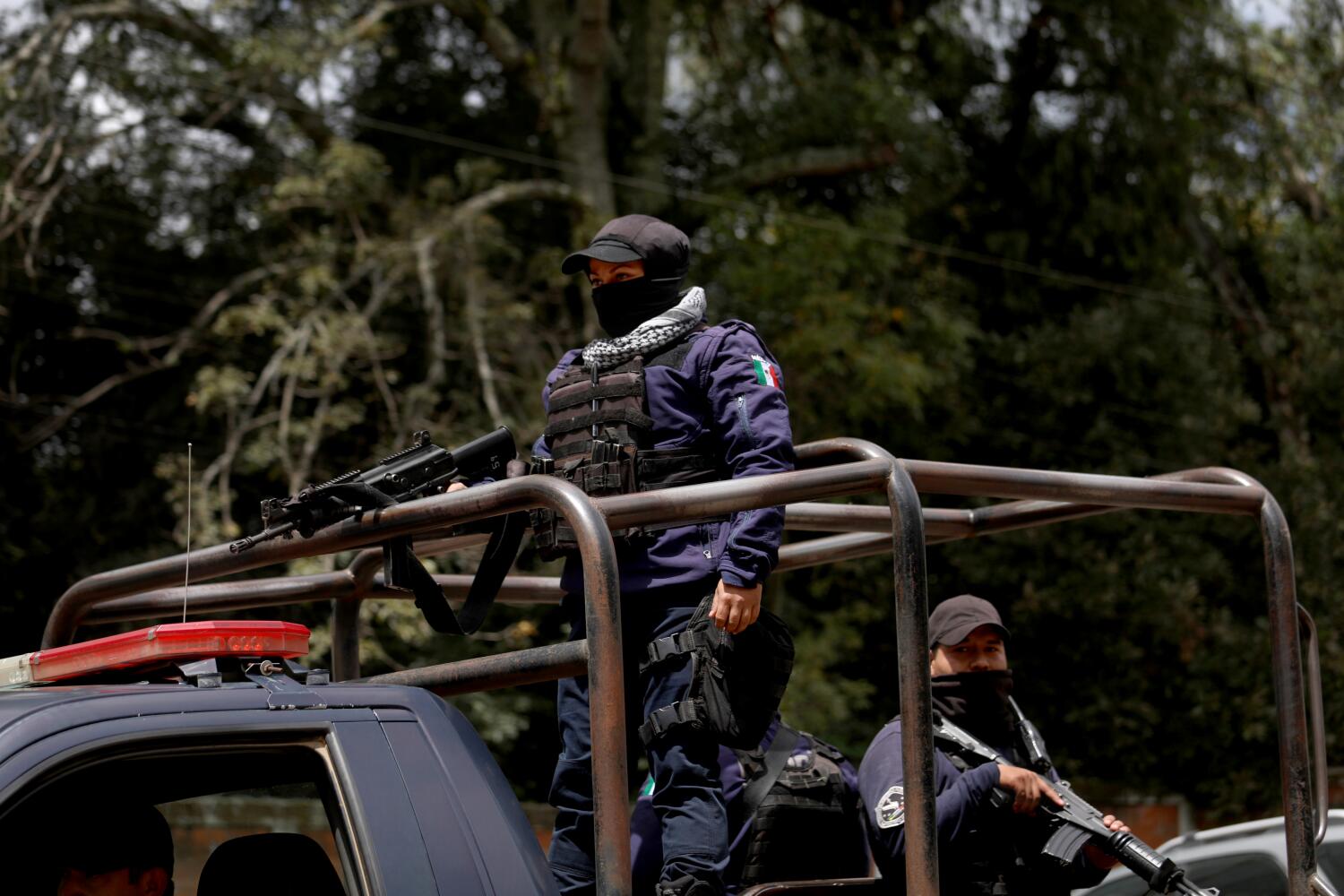
Mexico didn't just sit back. President Claudia Sheinbaum and local authorities scrambled, dispatching over 1,500 soldiers and National Guard troops directly into the avocado heartlands. They're trying to prove to U.S. officials that the orchards are safe enough for inspectors to return.
If you're wondering why a simple green fruit can trigger a military deployment and a major international trade headache, you have to look past the grocery store shelves.
The Real Reason U.S. Inspectors Keep Leaving
Here is what most headlines miss. The U.S. Department of Agriculture doesn’t station agents in Mexico just to inspect the fruit for pests. They are working inside a massive cartel battleground.
Michoacán supplies roughly eighty percent of all avocados consumed in the United States. That volume translates to a staggering 3.7 billion dollars in sales for Mexico's export industry. But that much cash draws predators. Powerful criminal organizations like the Jalisco New Generation Cartel control large swaths of the territory. They don't just traffic drugs anymore. They extort orchard owners, hijack packing plants, and demand protection money on every single crate.
When the U.S. Embassy halts operations, it's usually because the danger crosses a line. In 2022, an inspector received a direct phone threat. In 2024, two USDA workers were assaulted and briefly detained. This latest August 2026 suspension follows a round of local criminal arrests tied to extortion. Washington takes zero chances with its federal employees, choosing to freeze the entire border pipeline instantly rather than risk a tragedy.
Why Troops Won't Fix a Deep-Rooted Problem Overnight
President Sheinbaum's administration has taken a harder line against organized crime than previous governments. Sending 1,500 troops into Michoacán sounds impressive on paper. It signals immediate action to appease American trade partners and get the trucks rolling again.
Armies are built to fight conventional threats, not underground extortion networks that blend seamlessly into local towns. Packing plant owners and farmers are stuck in an impossible squeeze. If they don't pay cartel protection fees, they face violence. If they talk to authorities, the retaliation is swift.
Throwing soldiers at the orchards treats the symptom while leaving the infection untouched. Cartels simply lie low while the military patrols are heavy, then resume operations once the spotlight shifts elsewhere.
What This Means for Your Grocery Bill
You might not see empty supermarket shelves tomorrow, but volatility is guaranteed. Previous border shutdowns lasted around a week, causing minor waves in wholesale markets before supplies caught up.
Alternative regions like Jalisco or even domestic production in California can't pick up the entire slack. When the main artery from Michoacán gets pinched, prices creep up. Importers and grocery chains absorb the shock initially, but sustained suspensions translate directly to expensive guacamole.
The Hass Avocado Association insists this temporary operational pause won't wreck long-term supply, but every repeated closure erodes trust in the supply chain.
What Happens Next
The timeline for restoring imports depends entirely on security guarantees. Mexican officials are negotiating with U.S. authorities to either bring back American inspectors under heavy guard or find an acceptable alternative verification process.
Until the structural grip of cartels over agricultural towns gets broken, this cycle will repeat. Every time a threat pops up, the border closes, troops deploy, and consumers wait to see if their favorite produce will stay available.
Check your local market prices this week. If you see costs climbing, you now know the violent geopolitical reality hiding behind your lunch.