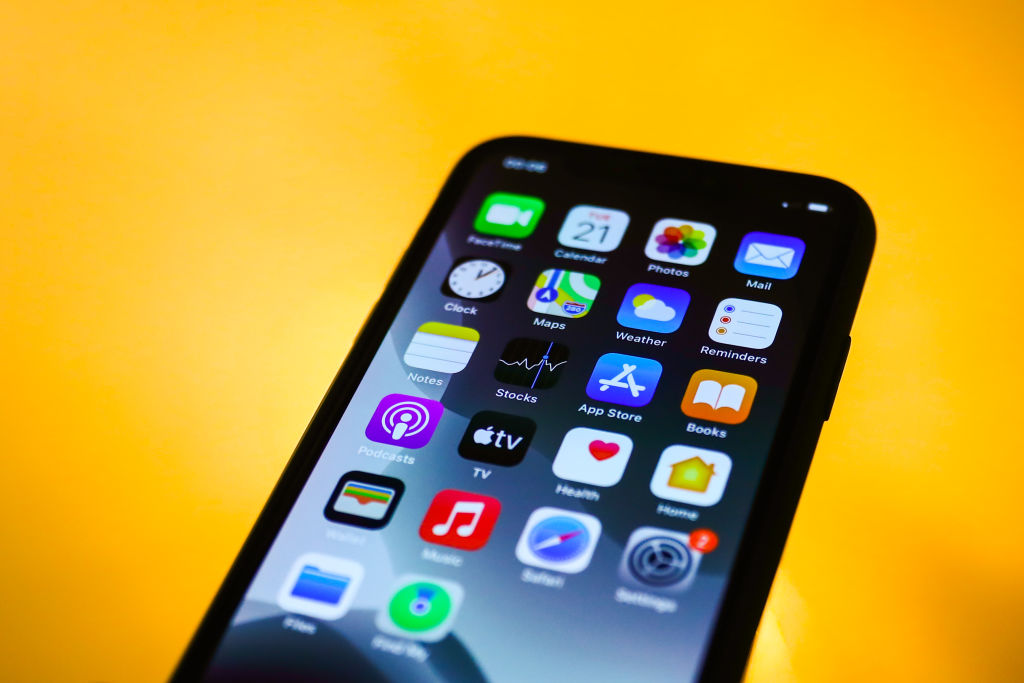
Open your phone right now and tap on your native notes app.
Don't search for a specific grocery list or password. Just scroll all the way to the bottom and look at what you wrote three years ago. Building on this theme, you can also read: Why Openai Losing Control Of Its Own Ai Agents Should Terrify Everyone.
Chances are high you'll find an unhinged mix of half-baked ideas, cryptic drunken thoughts, Wi-Fi codes, emotional drafts you never sent, and grocery items like "milk" sitting right next to a life-altering confession.
It makes no sense. It has zero formatting. And honestly, that's exactly why it's brilliant. Observers at The Verge have also weighed in on this matter.
While social platforms force us to perform for an algorithm and productivity apps demand endless tags, color-coded folders, and quarterly goals, the default notes app remains blissfully untouched. It's digital scratch paper. In an era where every tap of your thumb gets packaged, polished, and monetized, this plain yellow or white screen is the last place on the internet where humans are allowed to be messy.
The Uncurated Subconscious
Most of our digital life is an exercise in performance. You post a photo on Instagram expecting feedback. You write a post on LinkedIn hoping to look professional. You send a Slack message aiming for efficiency.
The notes app is different. Nobody writes a note expecting an audience.
Because there are no likes, comments, or public follower counts, the impulse to curate completely vanishes. What you're left with is a raw digital subconscious. As University of Georgia media professor Dr. Bart Wojdynski pointed out in a recent analysis on digital cognition, the sheer basicness of default utility apps creates a psychological sense of safety. You don't feel like you're being broadcast to online overlords or tracked to serve targeted ads. You're just jotting something down on a virtual Post-it.
Look inside almost anyone's app and you'll spot the same bizarre contrast:
- Essential logistics (flight numbers, gate codes, gate passwords, insurance policy numbers)
- Sudden creative bursts (half a poem, random business ideas, book titles)
- Emotional processing (apology letters, angry vents to an ex, reflections on grief)
- Contextless absurdity (a single word like "possum" or "check date")
It turns out that when you remove social pressure, human thought doesn't look like a neat slide deck. It looks like a chaotic thrift store.
Why Productivity Apps Keep Failing Us
For years, tech companies have tried to "fix" how we take notes. They sold us complex databases, bi-directional linking, auto-tagging, and infinite canvases. They promised that if we organized our thoughts into a "second brain," we'd finally become hyper-efficient superhumans.
Most people used those apps for two weeks, got exhausted by the upkeep, and migrated back to the basic note screen.
Why? Because organization takes cognitive effort, and when you have a fleeting thought at 2:00 AM, you don't want to assign three tags and choose a workspace folder. You just want to capture the idea before it disappears. The friction of organization kills spontaneity.
The default notes app wins because it accepts chaos. It doesn't judge you for having 400 untitled entries. It doesn't ask you to clear your inbox or sort by category. It just opens a blank screen and gets out of your way.
The Modern Time Capsule
Revisiting old entries isn't just about finding a forgotten Wi-Fi password. It's an accidental form of journaling.
When you read a traditional diary, you know you were writing a personal record. But when you re-read a note from 2021 containing a packing list for a trip with an ex, or a list of symptoms you were worried about during a health scare, you encounter your past self without any narrative filter.
Writer and researcher Rainesford Stauffer described this habit as a "notes app digest"—the practice of treating your own old notes like a strange, personal magazine full of old insights and nonsense. It documents who you were when you weren't trying to prove anything to anyone.
It records:
- The books you meant to read but forgot about.
- The jokes someone made at a dinner party that made you laugh out loud.
- The exact details of a medical emergency or family crisis that you had to track in real time.
- The draft of a resignation letter you were too afraid to send.
These entries show you where your mind was when life was actually happening, free from the revisionist history we apply when we talk about the past later.
How Shared Notes Rewrote Modern Relationships
The app isn't just a solo haven anymore; it's also morphed into a surprisingly intimate tool for co-existing.
Instead of cluttering text threads with long-form logistics or sending formal calendar invites, couples and close friends now use shared notes as live, asynchronous living rooms. A shared grocery checklist becomes a silent conversation where items get added and checked off throughout the day. A collaborative note titled "Summer Trip" turns into a scrapbook of links, airbnb options, and tentative itineraries updated in real time.
There's something uniquely low-stakes about typing into a shared document together. It lacks the urgency of a text message—no blue bubbles waiting for a fast response, no read receipts creating passive-aggressive tension. You just drop a line into the space, and the other person sees it whenever they drop in. It's digital co-presence without the noise.
How to Get Real Value From Your Digital Scratchpad
If you want to use your notes app as a functional tool without destroying the chaotic magic that makes it work, stop trying to turn it into Notion. Keep it simple with these steps:
- Embrace the Search Bar: Stop building complex folder structures. Modern phone search indexing is fast enough to find a specific keyword, phone number, or date in milliseconds. Let search do the heavy lifting.
- Pin Only Your Life Rafts: Pin maximum three notes to the top of your app. These should be things you need every single day—like a master running to-do list, emergency contact details, or household entry codes. Leave everything else unpinned to flow naturally down the screen.
- Never Delete the Vents: When you write a draft message in anger or grief, don't delete it once the feeling passes. Keep it. Years down the line, those raw drafts will offer far more self-awareness than any polished journal entry ever could.
- Use Shared Pages for Ongoing Low-Key Projects: Create a persistent shared page with your partner or roommate for long-term items—gift ideas, restaurants to try, or recurring household tasks. It cuts down messaging clutter instantly.
Stop overthinking your notes app. Resist the urge to organize it, clean it up, or optimize it for productivity. Let it stay messy, weird, and entirely yours.