Political dynasties are messy, but watching a high-stakes family operational split play out in real-time takes things to another level. Donald Trump spent his week slamming the mainstream media on social media platforms, specifically targeting CNN and its anchors. Yet, on the very same day, the office of First Lady Melania Trump approved press credentials for those exact networks to cover her special event in New York.
If you're trying to figure out how a presidential administration operates when the left hand actively fights the media while the right hand grants them access, you are not alone. The friction between West Wing policy and East Wing independence has once again burst into public view.
The Collision at the United Nations
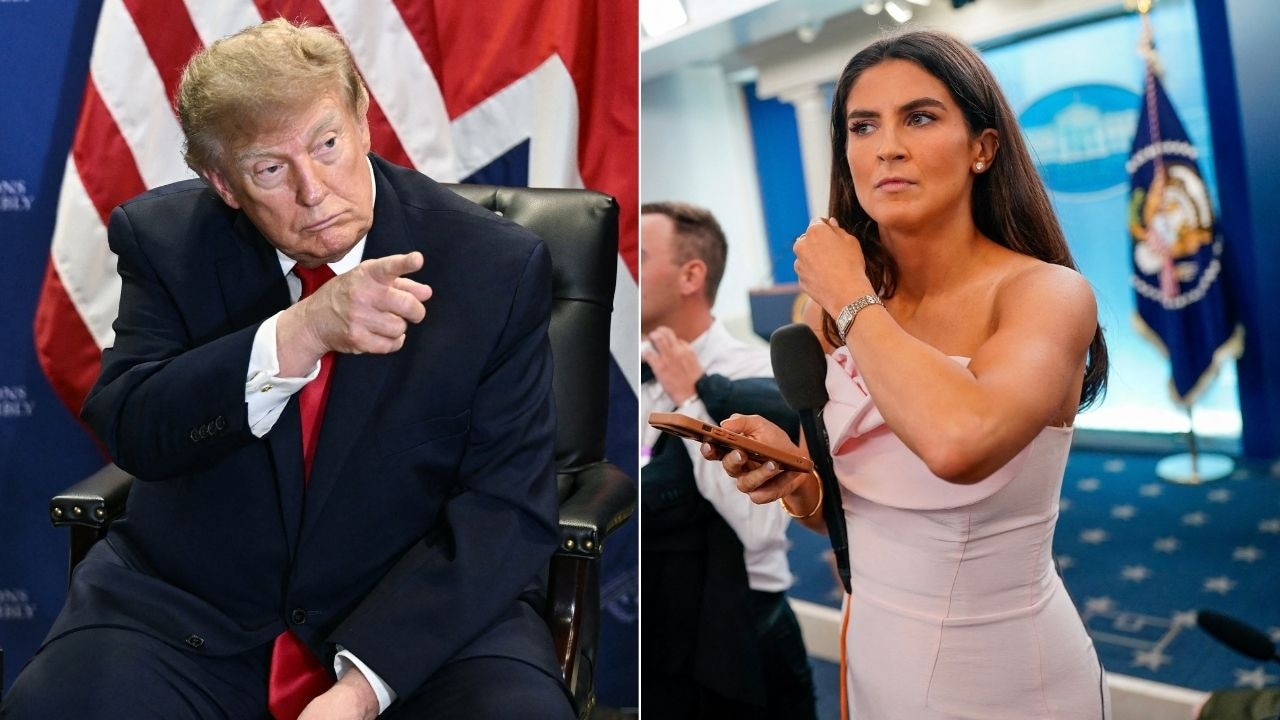
The drama kicked off during the United Nations General Assembly in New York. Donald Trump didn't hold back his frustration when he spotted CNN reporter Kaitlan Collins in the press area. He cornered the dynamic with characteristic directness, questioning why she was present after his administration instituted a sweeping ban barring outlets like CNN and Politico from White House grounds.
"Why was she there?" Trump posted to his online followers, labeling media figures with sharp vernacular and accusing them of having a fixated obsession with his family.
What the former president missed—or chose to ignore—was simple logistics and institutional jurisdiction. While the West Wing can lock down its own press room doors, independent events hosted on the sidelines or under international auspices operate under different rules. More importantly, the First Lady's team runs its own communications apparatus.
Inside the East Wing Credential Clash
Days prior to the United Nations gathering, the White House announced a severe restriction on several major news organizations, accusing them of spreading fabricated narratives about executive policy. Those outlets immediately fought back, filing a federal lawsuit alleging clear violations of First Amendment constitutional protections.
While that legal battle heats up, Melania Trump’s office took a completely different path. Reporters from CNN, including correspondent Betsy Klein, alongside representatives from Politico, submitted credential requests for a high-profile East Wing event titled "Fostering the Future Together."
Instead of shutting the door, the First Lady's office approved the request.
Why the Split Strategy Matters
This public divergence highlights a fascinating operational reality inside modern political households. Donald Trump relies on confrontation as a primary political tool. Branding certain reporters as dishonest actors fires up his base and creates an us-versus-them narrative that dominates news cycles.
Melania Trump, on the other hand, frequently maintains a distinct operational lane focused on specific initiatives, such as childhood online safety and emerging technologies like artificial intelligence. During her New York appearance, she spoke candidly about guiding children safely through digital evolution—a stark contrast to the fiery political rhetoric echoing from the main UN podium just blocks away.
When executive offices and spouse offices run opposing media strategies, it exposes the lack of a unified public relations front. But it also reveals how different power centers within a prominent administration choose their battles.
The Broader Impact on Press Freedom
The ongoing clash between the White House press office and major news networks is rewriting the rules of political reporting. When an administration attempts to blacklist critical voices, it triggers immediate legal challenges that will define constitutional boundaries for years to come.
At the same time, individual figures within the administration exercising independent judgment prove that total message control remains an illusion. Reporters will always find alternative entry points—whether through international organizations, independent office holders, or separate family branches.
Watch how these divergent press strategies evolve over the coming months. The real story isn't just about who gets banned from a single room; it's about how information survives when walls go up.