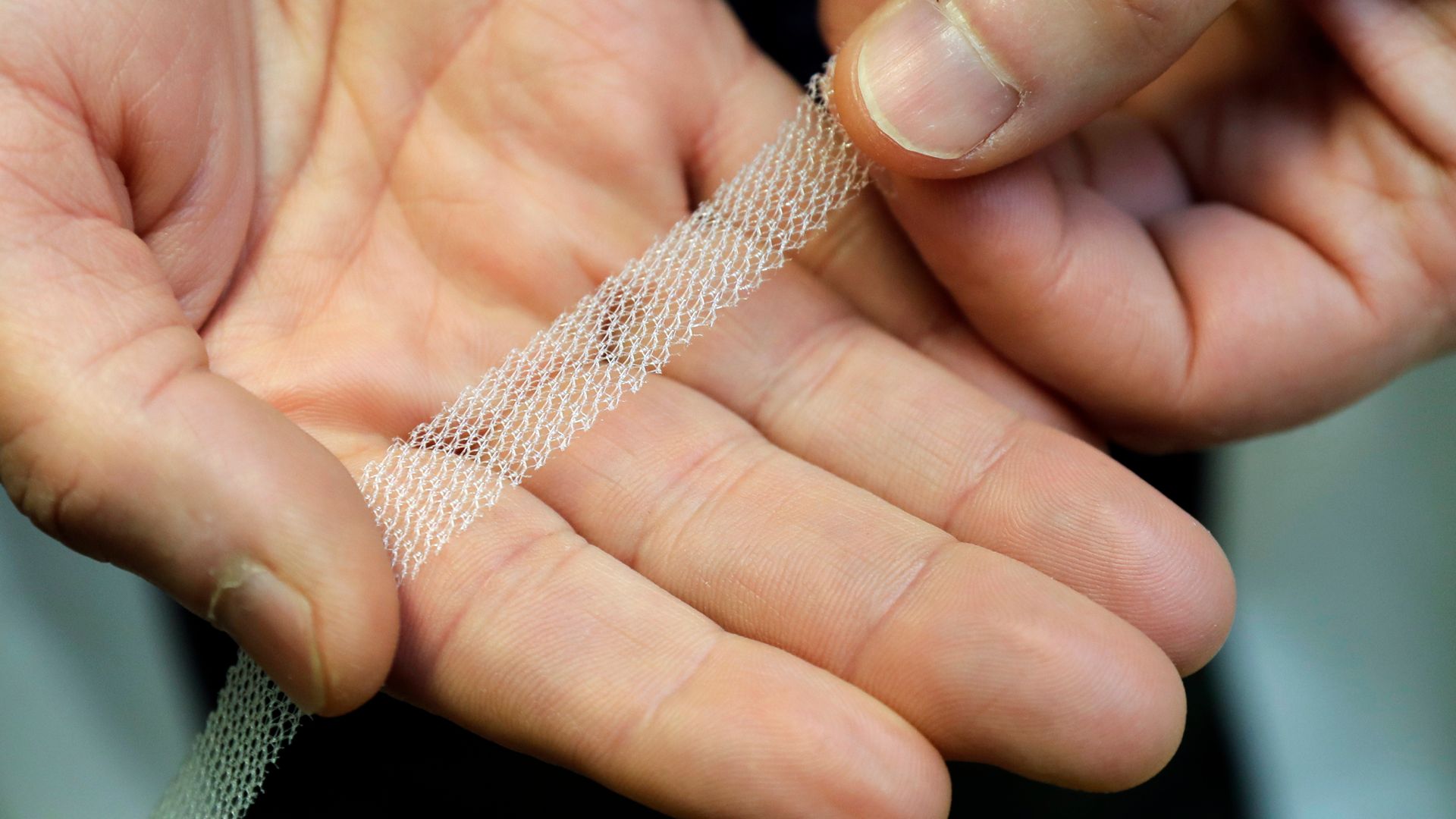
Thousands of women and children in the UK are currently trapped in a cruel administrative limbo. They aren't waiting for a medical breakthrough or a new diagnostic tool. They are waiting for a check. Specifically, they are waiting for the financial redress promised to them after their lives were shattered by two entirely preventable medical disasters: pelvic mesh implants and the epilepsy drug sodium valproate.
It has been over two years since Professor Henrietta Hughes, England’s Patient Safety Commissioner, handed the government a straightforward, actionable blueprint for compensation. Yet, as we move through 2026, those recommendations are sitting on a shelf gathering dust. The recent escalation by Dr. Hughes—who just used her statutory powers to force a July 16 deadline on the Department of Health and Social Care—proves that patient trust has completely evaporated. Expanding on this theme, you can also read: Why Bureaucratic Quarantine Rules Are Breaking The Ebola Response.
The state owes these families more than an apology. It owes them restitution.
The False Promise of the Hughes Report
When the Hughes Report dropped in February 2024, it felt like a turning point. It followed the damning 2020 Cumberlege Review, beautifully titled First Do No Harm, which established that the healthcare system had systematically gaslit injured patients for decades. The case for why these people deserved compensation was already settled. The Hughes Report was supposed to answer how to give it to them. Analysts at Mayo Clinic have also weighed in on this trend.
Dr. Hughes didn't mince words. She recommended immediate, interim lump-sum payments to alleviate the crushing financial burdens these families face. For women injured by plastic pelvic mesh, she suggested an initial £25,000 payment. For families where children were left with severe, lifelong disabilities due to sodium valproate exposure in the womb, she recommended £100,000.
These numbers weren't plucked from thin air. They were baseline figures based on what victims actually need to survive. Instead of implementing them, the previous Conservative government stalled. Now, the Labour administration is doing the exact same thing. They use comfortable, bureaucratic phrases like "carefully considering the recommendations" while victims go bankrupt trying to pay for private medical care or specialized equipment.
The Human Cost Behind the Bureaucracy
To understand why this delay is morally unacceptable, you have to look at what these two medical products actually did to human bodies.
Pelvic mesh was marketed for years as the gold-standard surgical fix for stress urinary incontinence and pelvic organ prolapse. These are incredibly common conditions that often happen after childbirth. Women trusted their surgeons. They were told it was a simple, routine procedure.
Instead, the plastic mesh inside thousands of women began to degrade, erode, and migrate through their internal organs. Imagine a jagged piece of plastic slowly sawing its way through your vaginal wall, your bladder, or your bowel. Many women have had to undergo brutal surgeries to remove their bladders entirely. Others are permanently confined to wheelchairs, unable to work, walk, or even hug their children without agonizing pain.
Then there is sodium valproate. Sold under brand names like Epilim, this medication is highly effective at controlling epileptic seizures and bipolar disorder. The catch? Medical science knew as early as the 1980s that if a pregnant woman took it, the risk of physical deformities and neurodevelopmental disorders in her unborn child skyrocketed to around 40%.
Yet, for decades, women were handed these pills without a whisper of a warning. No warning labels on the boxes. No frank conversations with their doctors. An estimated 20,000 children were exposed in the womb. Today, many of those children are adults living with severe autism, learning difficulties, and physical malformations like spina bifida. Their parents are aging and terrified of what will happen to their disabled children when they are gone.
The Shocking Economics of Systemic Medical Neglect
Denying compensation isn't just cruel. It’s financially illiterate. Data compiled during the redress project painted a terrifying picture of what happens to a family when a medical device or drug ruins their health.
- Roughly 85% of affected individuals report that they are completely unable to work.
- Over 73% state that their family finances have been absolutely devastated by the ongoing medical costs and lost income.
- An overwhelming 91% report severe, chronic impacts on their mental health and general wellbeing.
Victims are forced to fight through the courts for basic crumbs of justice, facing off against high-priced government lawyers and multi-billion-dollar pharmaceutical companies. The state expects women who can barely stand up due to pelvic mesh complications to navigate a hostile, adversarial legal system just to pay for their prescriptions.
When you ruin someone's ability to earn a living, you cannot tell them to wait two and a half years for a response to a report. It is an insult.
Moving Past the Gaslighting
For decades, the standard response from the medical establishment to these injured women was simple: it is all in your head.
When mesh patients complained of chronic, burning pain, they were told the surgery was a success and they just needed psychological counseling. When mothers noted developmental delays in their children after taking epilepsy medication, their concerns were brushed off.
Establishing financial redress is about more than just money. It is an official, undeniable declaration from the state that says: We failed you, it was our fault, and you were right all along.
By dragging its feet, the current government is actively extending that decades-long tradition of gaslighting. They are waiting for the problem to go away. Tragically, in some cases, the problem is going away because victims are dying before they see a single penny of restitution.
Clear Actions the Government Must Take Immediately
The Department of Health and Social Care likes to claim this issue is incredibly complex. It isn't. The roadmap is already written, and the steps required to fix this are glaringly obvious.
Open the Interim Redress Schemes Now
The government does not need to build a perfect, fully formed independent redress agency overnight to start helping people. They must immediately release the recommended interim payments of £25,000 for mesh victims and £100,000 for valproate victims. This provides an immediate financial safety net for families on the brink of ruin.
Mandate Specialized Medical and Educational Support
Financial compensation is only one side of the coin. The NHS needs to rapidly expand access to dedicated, multidisciplinary mesh removal centers staffed by surgeons who actually know how to extract these devices safely. For valproate-affected children, specialized educational and social care packages must be guaranteed without making parents jump through endless bureaucratic hoops.
Hold the Regulators and Manufacturers Accountable
Taxpayers shouldn't be the only ones footing the bill for corporate and regulatory failures. Pharmaceutical companies and medical device manufacturers who hid risks or failed to update safety warnings must be legally pressured to contribute to these redress funds.
What You Can Do if You Are Affected
If you or a loved one are among the thousands of people harmed by pelvic mesh or sodium valproate, sitting quietly and waiting for the government to do the right thing is no longer an option. History shows that the system only moves when it is forced to.
Connect with established advocacy networks like Sling the Mesh or the Independent Fetal Anti-Convulsant Syndrome Association (FACSA). These groups are actively lobbying MPs and keeping the pressure on No 10. Write directly to your local MP. Use the upcoming July 16 statutory deadline issued by Dr. Henrietta Hughes as a leverage point to demand a public stance from your local representatives.
The time for sympathetic statements and polite deliberation ended years ago. The state broke these lives, and it is time for the state to pay to fix them.