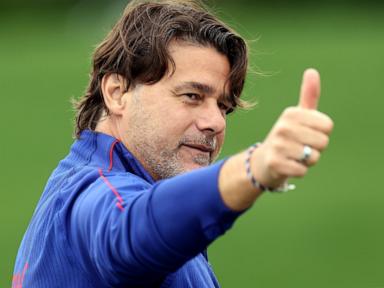
Mauricio Pochettino isn't going anywhere. US Soccer locked down its manager on a new four-year contract extension that runs through the 2030 World Cup, putting to rest months of chatter about a quick exit back to elite European club management.
If you expected the federation to panic after a Round of 16 exit at the home World Cup, you misread how much capital the Argentine manager actually built behind closed doors. This extension isn't just a vote of confidence. It is a total structural bet on a man who changed the operational culture of the USMNT in less than two years.
The Real Story Behind the Extension
Talks didn't just start after the tournament ended. Discussions had been quietly moving forward for months, fueled by a federation desperate to avoid the managerial turnover that usually plagues the program.
Pochettino took the job in October 2024 with an initial mandate: stabilize a drifting ship, survive a home World Cup, and make noise. He delivered mixed results on the pitch—including a historic 4-1 opening win over Paraguay and the most single-tournament wins the US has ever managed, followed by a stinging 4-1 elimination against Belgium.
Yet, the people signing his checks cared more about what happened away from the matchday cameras. Pochettino dragged an insular talent pool into modern professional accountability. He didn't hesitate to bench or publicly challenge players who lagged behind his standards, testing relationships with stars like Christian Pulisic along the way.
That friction used to break American managers. With Pochettino, the federation backed him instead.
What Changes in the Expanded Role
Money talks, and this deal features plenty of it. While exact figures weren't published by the federation, reports indicate he's getting a bump on his previous $6 million annual salary, backed once again by high-net-worth donor funding led by hedge fund billionaire Ken Griffin.
More importantly, his job description expanded. Pochettino and his staff aren't just plotting tactics for the senior men's team anymore. They are taking on an advisory footprint across the entire U.S. Soccer ecosystem, shaping youth pathways, coaching education, and professional league collaboration.
The federation wants a blueprint, not just a game plan. Previous managers arrived to fix the immediate roster and left without leaving a brick behind. Pochettino is being paid to build the foundation.
The 2030 Horizon and Hard Realities
Looking toward 2030 means confronting uncomfortable roster truths. The current core is aging, and the program lacks elite depth in critical spots like central defense and goalkeeper.
Pochettino admitted that his first 20 months were basically an extensive scouting expedition just to figure out who could actually handle the pressure of an international jersey. Now that the evaluation phase is over, the next cycle requires unearthing younger talent capable of bridging the gap against global heavyweights.
The gap isn't as wide as pessimists claim, but bridging it demands ruthless selection choices. If a player isn't performing at club level, they won't find a soft landing in Pochettino's squad, regardless of their past status.
Why This Bet Will Define American Soccer
Firing coaches after every major tournament cycle is a losing strategy. Every four years of starting over guarantees tactical whiplash. By locking down a manager with a massive European pedigree—from Tottenham to PSG and Chelsea—US Soccer bought institutional stability.
Pochettino knows the landscape now. He knows the travel quirks, the media pressure cooker, and the exact ceiling of the player pool. Fans may have wanted a magical quarter-final run immediately, but sustainable progress requires letting an elite tactician finish what he started. The 2030 cycle is his chance to prove a Round of 16 exit was just the messy prologue to something much bigger.