Skies above the Russian capital turned hostile this weekend. Hundreds of long-range drones targeted Moscow and its surrounding regions on the final day of the country's parliamentary elections. Plumes of black smoke billowed over energy facilities and high-rises.
Moscow mayor Sergei Sobyanin claimed that more than 1,600 drones were intercepted overall, with roughly 450 aimed directly at the capital. Officials pointed fingers straight at Kyiv, arguing the massive assault aimed to disrupt a tightly controlled vote designed to reinforce Vladimir Putin's authority. If you liked this piece, you might want to check out: this related article.
The Reality on the Ground
Elections in Russia rarely offer surprises, but this one carries heavy symbolic weight. It marks the first parliamentary vote since the full-scale invasion of Ukraine in February 2022. Only Kremlin-approved parties featuring strict loyalty to the military campaign secured registration. Yet, the timing of the aerial bombardment shifted attention away from ballot boxes and toward burning infrastructure.
At least two people died in the chaos. Moscow regional governor Andrey Vorobyov confirmed the deaths of a 44-year-old woman and an elderly man in separate incidents. Meanwhile, a drone crashed into a 21-storey residential building, sparking a fire that forced the emergency evacuation of 400 residents. For another perspective on this event, see the recent coverage from The Washington Post.
Emergency crews rushed to control a blaze at a major oil refinery on the edge of the capital. This specific facility has taken hits before. Kyiv's strategy relies heavily on striking Russia's energy arteries to cut off the revenue funding the war.
Targeting Energy and Infrastructure
Why focus on oil refineries? Because the math of modern conflict is brutal.
Ukrainian long-range drone campaigns have systematically targeted Russian energy infrastructure over the past year. Refining capacity has taken severe blows. The downstream effects are visible across Russia's eleven time zones: fuel shortages, soaring prices at filling stations, and long queues of frustrated motorists.
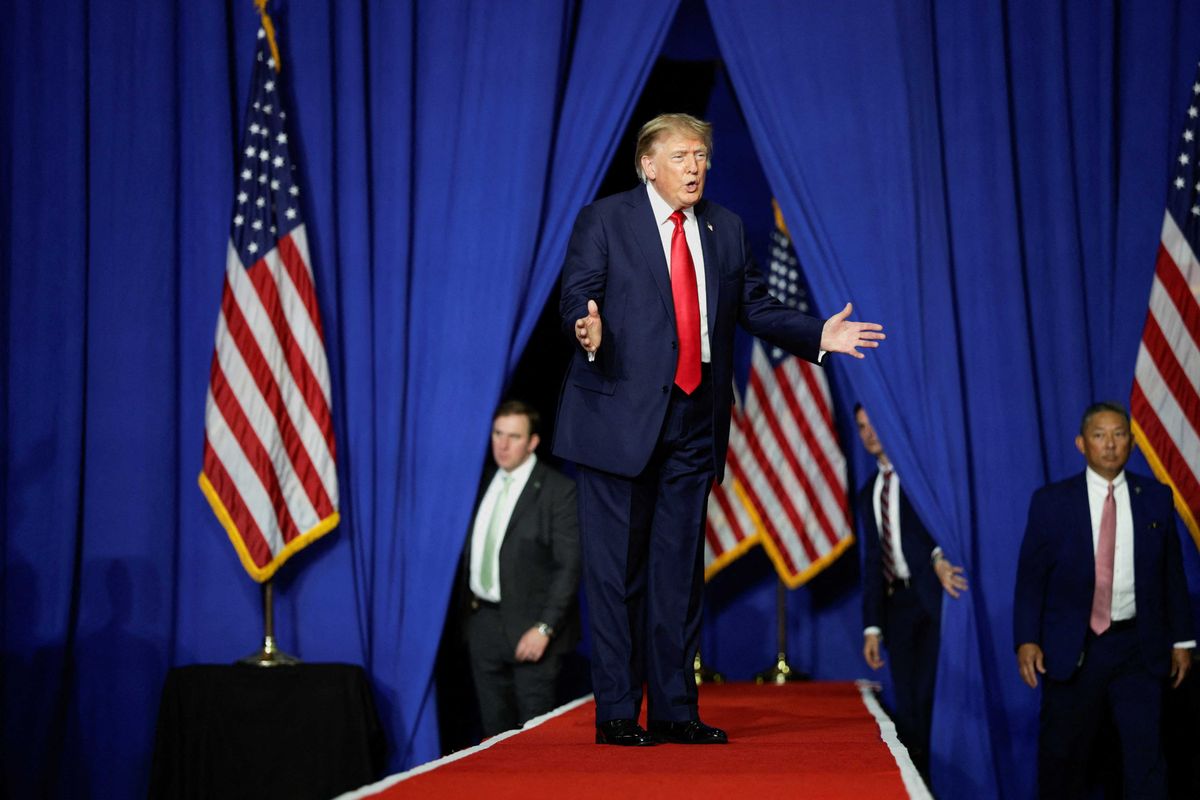
Moscow officials labeled the latest raid an unprecedented attempt at sabotage. Yet, recent diplomatic developments hang heavy over these explosions. Just days prior, US president Donald Trump stated that Moscow and Kyiv had agreed to avoid hitting each other's energy assets. This weekend's fires at the refinery prove that any such gentlemen's agreements hold little weight when total war is underway.
What Happens Next
The three-day vote closes under air raid alarms and shattered glass. While United Russia is guaranteed to maintain its absolute majority, the psychological damage of hundreds of drones penetrating the capital's airspace is real.
Air defenses claim high interception rates, but the sheer volume of incoming hardware overwhelms standard security perimeters. As long as the war drags on through its fifth year, election days will no longer serve as quiet political rituals. They are flashpoints.
Check local security updates if you're traveling through the region, and expect tighter airspace restrictions across western Russia.