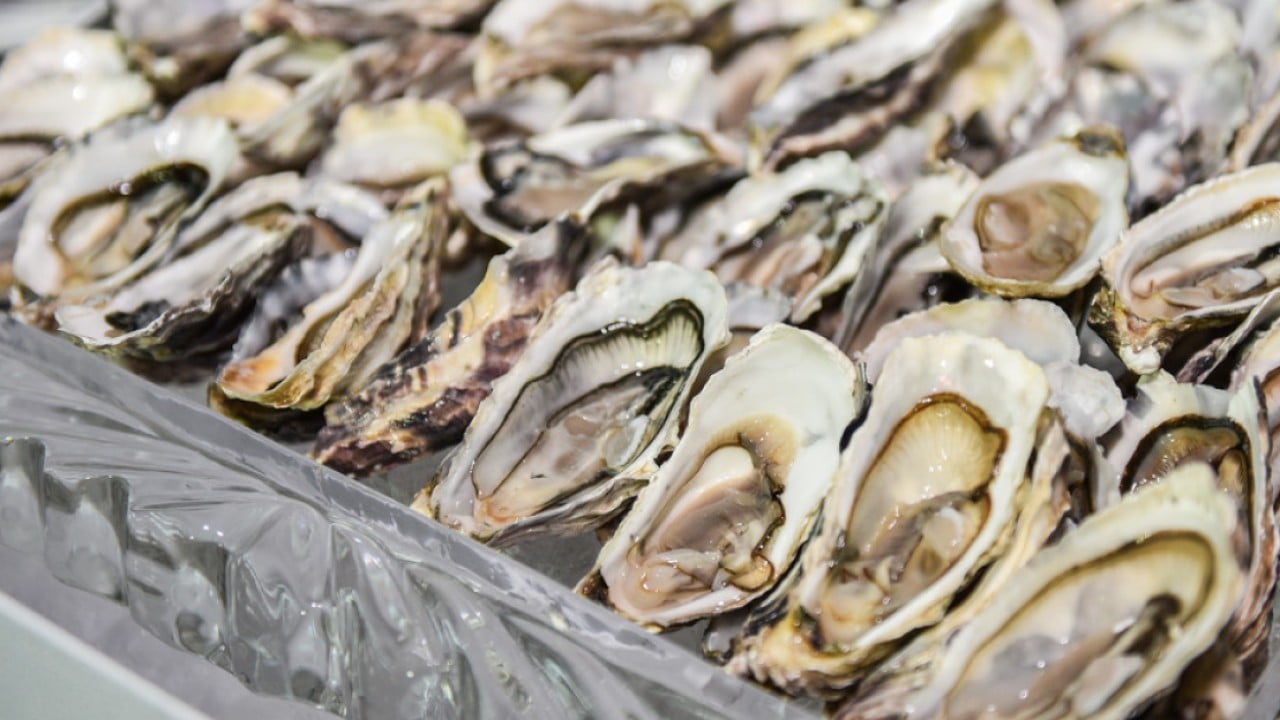
Imagine waking up to find a third of your entire livelihood vanished into thin air. That is the grim reality facing an oyster grower in New South Wales after a staggering 400,000 oysters were stolen in a single, highly coordinated operation.
Police confirmed that over 300 bags filled with maturing molluscs were lifted from a farm near the town of Taree, north of Sydney. Valued at roughly Aus$350,000 (US$250,000), this isn't a petty crime committed by someone with a snorkel and a bucket. Moving that volume of shellfish requires heavy lifting equipment, boats, transport trucks, and an alarming amount of local knowledge.
The Anatomy of a Shellfish Heist
Stealing four hundred thousand oysters is an logistical nightmare for an amateur. You cannot just shove that kind of inventory into a hatchback.
The theft, which New South Wales Police noted took place earlier in the year but was only formally reported, points to an operation with commercial reach. The perpetrators had to target specific lease areas, haul hundreds of heavy mesh bags out of the water, and find a cold-chain buyer willing to fence thousands of dollars worth of hot seafood.
Oyster farming is grueling, high-risk work. Growers spend years battling extreme weather, disease outbreaks, and shifting water temperatures. To have months of labor wiped out by thieves feels like a gut punch to an already tight-knit coastal community.
Why Target Oysters Right Now?
Timing is everything in agriculture, and crime is no exception. Oyster grower Ryan Freeman pointed out the brutal economic logic behind the timing of the theft.
These specific oysters were targeted because they were reaching maturity just in time for the upcoming Christmas rush. During the southern hemisphere's summer holiday season, demand for fresh seafood skyrockets. Local farms push out tens of thousands of dozen oysters to satisfy holiday brunches and seafood buffets.
With a third of his stock gone, Freeman admitted his farm cannot simply replenish those numbers in time. Growing a marketable oyster takes years of constant tumbling, grading, and husbandry. You cannot rush biology.
The Blind Spots in Seafood Security
Aquaculture security is notoriously difficult. Unlike a land-based warehouse with perimeter fences and security cameras, oyster leases sit out in open public waterways.
Lease markers define the boundaries, but monitoring thousands of meters of open water overnight is nearly impossible for independent farmers. Most operators rely on trust, isolation, and the sheer physical difficulty of aquaculture to keep thieves at bay.
This massive heist exposes the vulnerability of coastal farming. When high-value seafood commands top dollar on the black market, isolated leases become sitting ducks.
Police are currently urging anyone with information about suspicious boat activity or unusual bulk sales around Taree to step forward. But recovering stolen livestock that has likely already been shucked, sold, or consumed is a long shot.
For now, coastal growers are left looking at their leases a little differently, wondering how to protect their crops from thieves who treat the ocean as their personal supermarket.