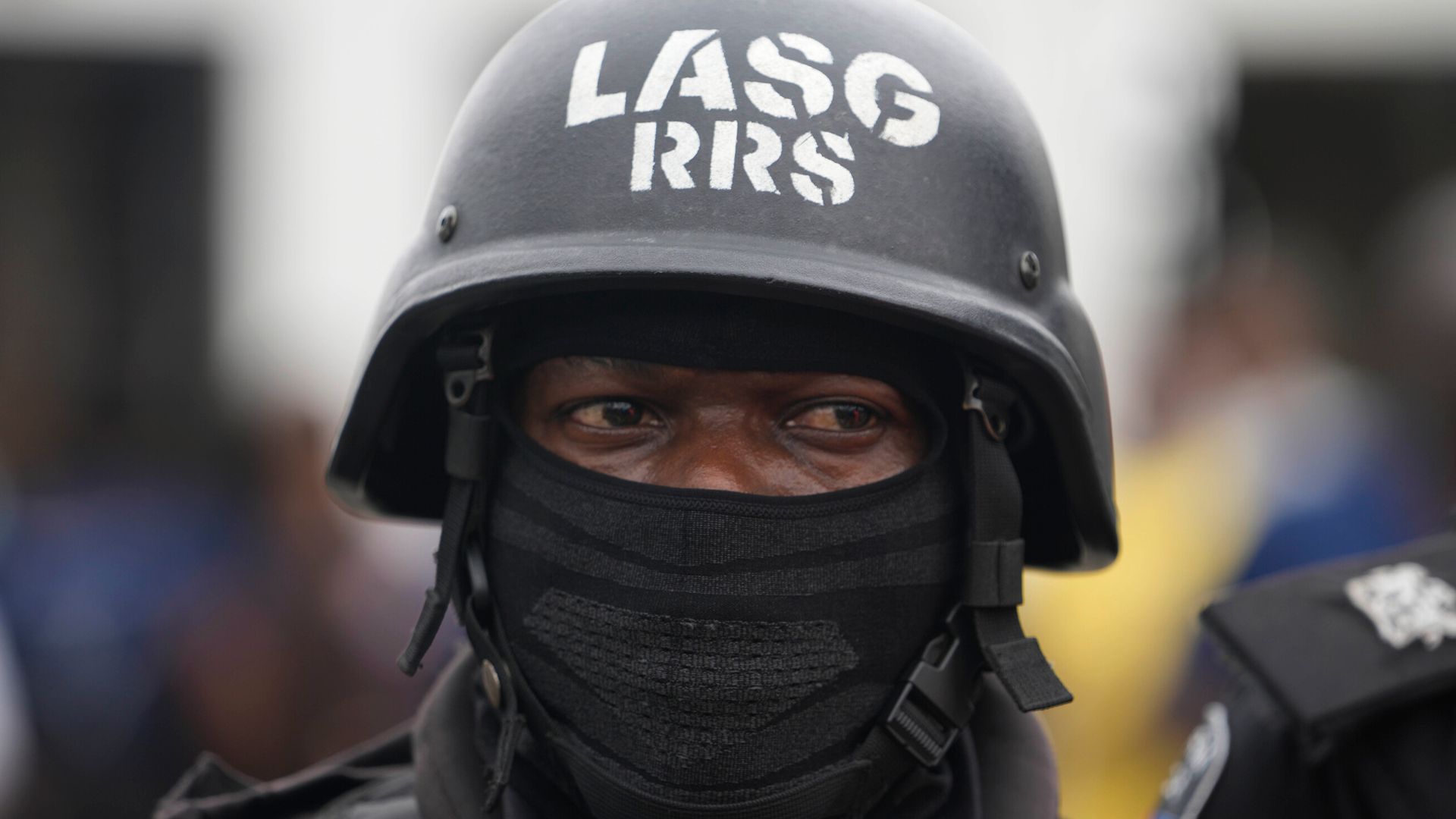
Dozens of armed men surrounded the Kpenya Mosque during Friday afternoon prayers. They didn't come to negotiate. They came to snatch human lives for cash.
When reports emerged that scores of people had been kidnapped from a mosque in Nigeria's north-central Niger state, it felt horrifyingly familiar. Local officials and residents confirmed that between 60 and 80 worshippers were marched out of the building at gunpoint during the Juma'at prayers in the remote Borgu local government area. Don't forget to check out our recent coverage on this related article.
It is a crisis that refuses to slow down. Rural communities across northern and central Nigeria are bearing the brunt of a security vacuum, and the official responses rarely match the terror on the ground.
Inside the Borgu Attack
The assault wasn't an isolated incident. Police spokesperson Wasiu Abiodun confirmed that the attackers struck multiple villages—including Gidan-Zana and Kpenya—before converging on the local mosque around 2 p.m. If you want more about the context here, USA.gov provides an in-depth breakdown.
Local council chairman Abdullahi Mohammed Nasir stated that at least 60 individuals were taken, while youth leaders like Zubairu Umar Talba reported that the number could be closer to 80, noting that elderly residents, including his own 85-year-old father, were swept up in the mass abduction. Others sustained gunshot wounds while trying to flee into the surrounding bush.
Police noted that miraculously no lives were lost during the immediate raid, but survival is only the first hurdle. The real nightmare begins now: waiting, negotiating, and hoping loved ones survive captivity.
Why Houses of Worship Are Targeted
Criminal syndicates—locally referred to as bandits—have systematically altered their tactics over the past few years. They no longer just highway-rob travelers or raid remote farmsteads. They strike places where large numbers of people gather predictably.
Mosques and churches offer high concentrations of victims. During Friday prayers or Sunday services, communities are stationary, unarmed, and vulnerable. The gangs know that mass abductions of entire congregations maximize leverage when they demand multi-million-naira ransoms from impoverished families who have to sell land, livestock, and homes just to pay up.
State security forces face an impossible geography. The Borgu region features vast, rugged terrain and remote forests where these armed groups can disappear within minutes of an attack. Joint security detachments were deployed for rescue operations following the raid, but residents remain deeply skeptical. Troops often arrive long after the dust settles, leaving villagers to fend for themselves against fighters armed with automatic weapons.
The Broader Reality Behind the Headlines
Outsiders often ask why these criminal networks operate with such impunity. The answer lies in stretched military resources, porous borders, and a breakdown of local intelligence networks. While the Nigerian government frequently vows to crush the syndicates, the structural drivers—poverty, youth unemployment, and historical conflicts over land and resources—remain completely unaddressed.
No single group claimed responsibility for the Borgu attack immediately, which is typical. These decentralized networks operate in fluid coalitions, shifting camps and splitting spoils without centralized political manifestos. They are driven entirely by a ruthless corporate logic of extortion.
If you are following security trends in West Africa, don't expect quick fixes. Until rural policing scales up and intelligence-led counter-offensives cut off the financial pipelines feeding these gangs, communities in Niger state and beyond will continue living on edge.