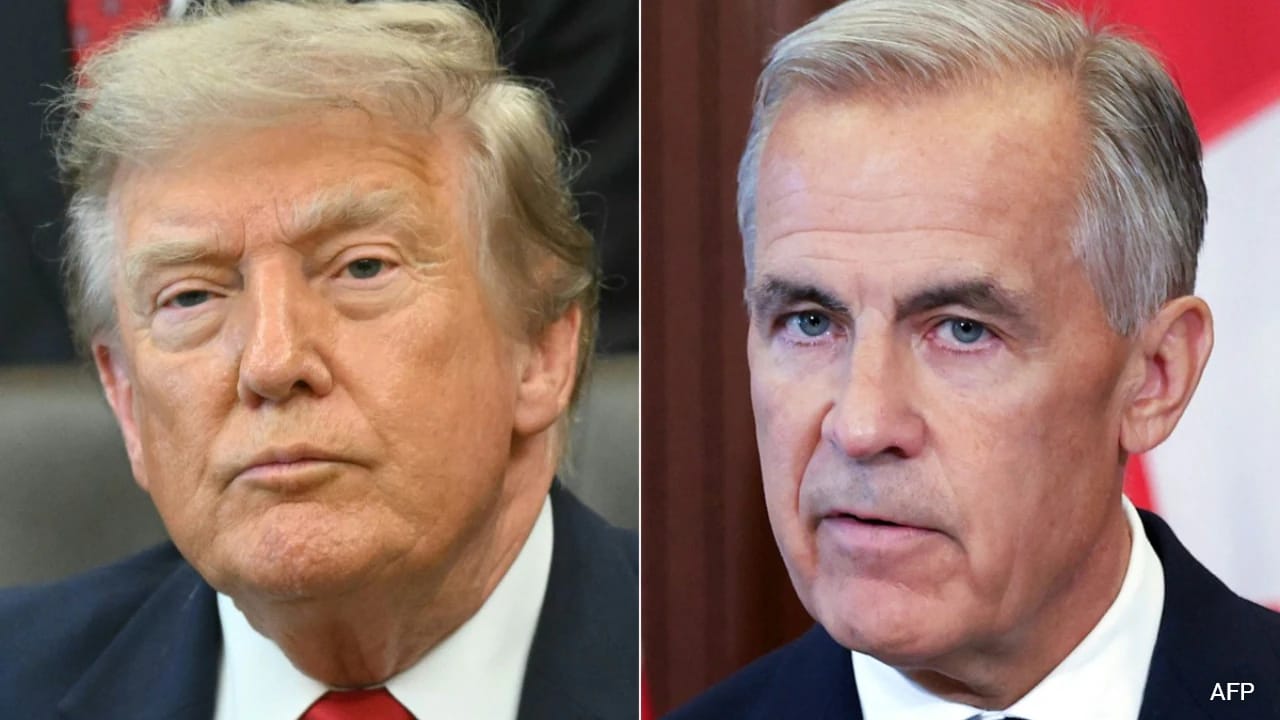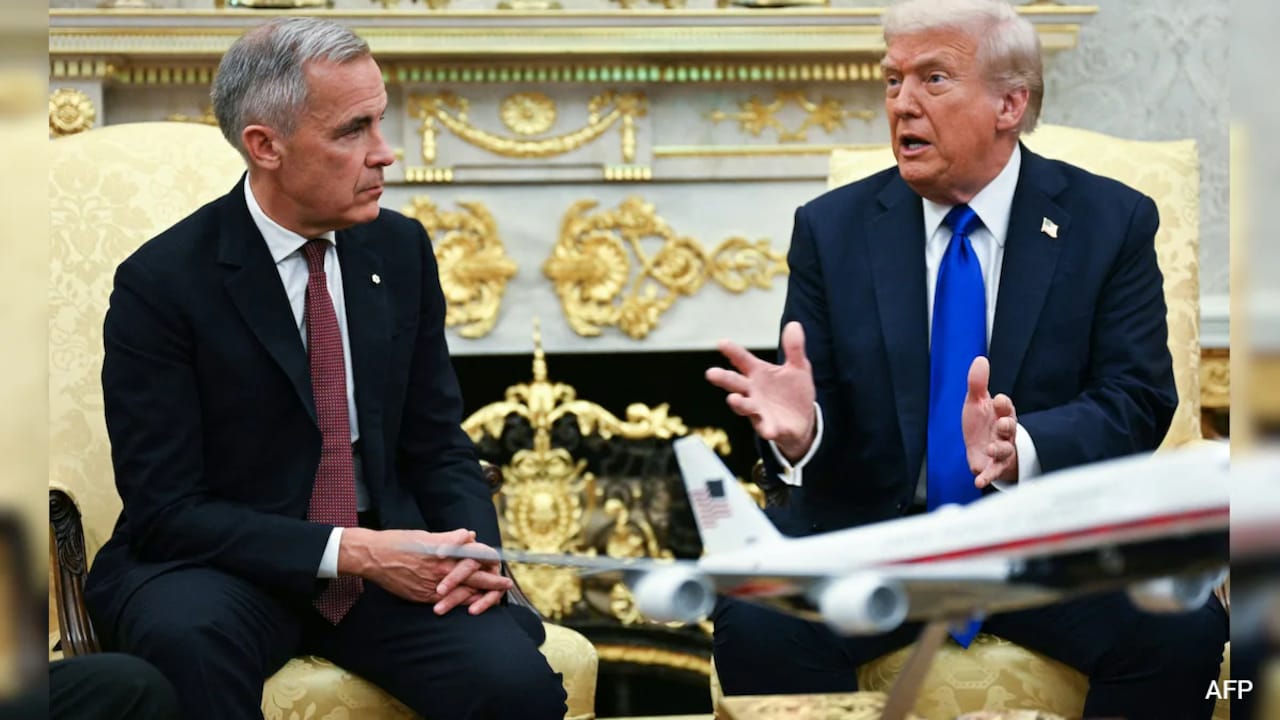
Trade wars rarely start with polite disagreements. They start when one side demands submission and the other decides it has nothing left to lose. Canadian Prime Minister Mark Carney drew a hard line in the sand after trade talks with Washington collapsed, making it clear that Canada operates as a sovereign nation, not a branch office.
When the Trump administration slapped a staggering 50 percent tariff on roughly twenty billion dollars worth of Canadian goods, the illusion of a cozy cross-border partnership shattered instantly. Carney didn't mince words. He called the final American demands uneconomic, unfair, and a complete non-starter. Read more on a related subject: this related article.
Why the Trade Talks Actually Collapsed
Negotiations are messy, but this breakdown was structural. Both sides thought they were close to a comprehensive agreement until Washington introduced last-minute terms aimed squarely at dismantling major Canadian industries, including autos, steel, and aluminum.
Carney walked away because accepting the deal would have hollowed out domestic manufacturing. The Trump administration countered by claiming Canada demanded concessions that were impossible to grant, especially regarding agricultural markets and dairy protection. Further analysis by Financial Times delves into related perspectives on this issue.
Treating a G7 economy like a dependent territory is a fast way to kill a trade partnership. Carney framed the core issue bluntly. An attitude at the negotiating table that treats Canada as a US subsidiary is something Ottawa will never accept.
The Immediate Economic Fallout
The numbers behind this dispute are massive. The fifty percent levy hits roughly five percent of total Canadian exports to the United States, affecting critical building materials, dairy, and manufacturing components. Supply chains that took decades to build are fracturing overnight.
Factories on both sides of the border rely on seamless component sharing. When you suddenly tax steel and aluminum at punitive rates, assembly lines stall. Consumers ultimately pay the price through higher costs for vehicles, housing, and groceries.
President Donald Trump hit back on social media, arguing that Canada has taken advantage of American farmers for years and suggesting that our northern neighbor should simply become the fifty-first state. That rhetoric only hardens political resolve in Ottawa.
Canada Strikes Back
Canada is preparing targeted countermeasures to match the economic pressure. Federal ministers are rolling out retaliatory tariffs focused heavily on American steel, dairy, and pulp products.
Ottawa is also expanding employment insurance programs to support domestic workers who find themselves caught in the crossfire of political posturing. The strategy moves away from random matching and focuses on inflicting maximum political and economic pain on exposed American sectors.
Diplomacy requires mutual respect. Right now, trust is at an all-time low. Carney noted that Canada is finding reliable economic partners everywhere in the world except in Washington.
Prepare for supply chain disruptions, rising retail prices, and prolonged legal challenges at the World Trade Organization. This trade fight is just beginning, and neither side is backing down.