You wake up, check your phone, and instantly let a random headline or text message ruin your mood. We've all done it. We give external circumstances an absolute veto over our inner peace.
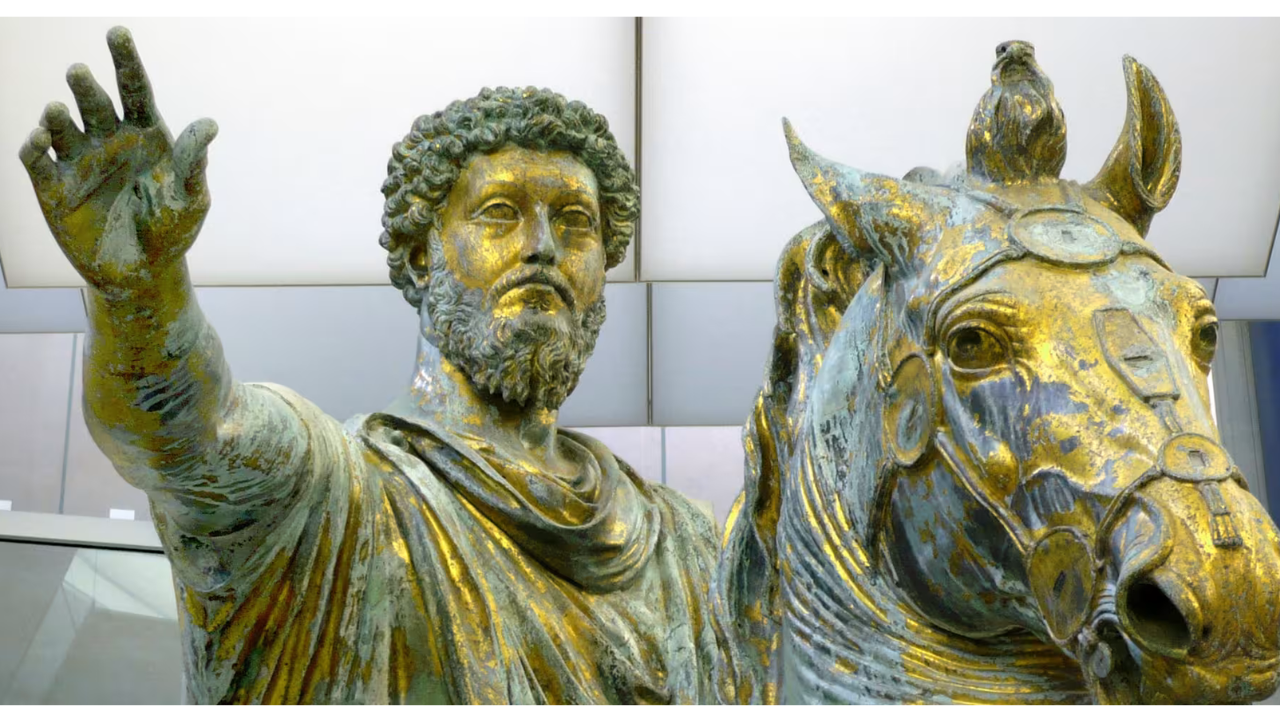
Marcus Aurelius figured out how to stop doing that nearly two thousand years ago.
The Roman emperor wrote a line that gets thrown around on coffee mugs and social media feeds daily: "You have power over your mind, not outside events. Realise this, and you will find strength."
Most people read that quote, nod approvingly for three seconds, and immediately go back to stressing about things they cannot change. They try to control the economy, office politics, traffic, and other people's opinions. It's a complete waste of energy.
Let's look at why this specific piece of Stoic philosophy actually works in daily life, and how you can stop fighting reality.
The Reality of Imperial Stress
Picture the pressure Marcus Aurelius dealt with daily. He sat on the throne during the Antonine Plague, a devastating pandemic that killed millions across the Roman Empire. He managed border wars along the freezing Danube frontier, political conspiracies, and constant economic strain.
He didn't write his private journal, Meditations, to impress book critics or secure a bestseller spot. He wrote it late at night by candlelight as emergency mental first aid. When he reminded himself that outside events had no direct jurisdiction over his soul, he wasn't speaking from a peaceful academic library. He was speaking from the absolute center of chaos.
When modern leaders like Elon Musk return to these texts, they aren't doing it for aesthetic purposes. They do it because high-stakes environments expose a brutal truth: panic is a tax on performance.
Where Your Control Actually Ends
You like to think you control a lot more than you do. It feels uncomfortable to admit how fragile your grip on reality really is.
Think about your last major project or personal goal. You can put in eighty hours of work, write clean code, prep the pitch, and stay organized. But you cannot control whether a client suddenly cuts their budget, whether a competitor launches a surprise product, or whether transit shuts down on your way to an interview.
Stoicism divides life into a strict binary. There is what belongs to you, and what belongs to fortune.
- Yours: Your judgements, your values, your immediate actions, your integrity.
- Not Yours: Other people's thoughts, market shifts, physical health accidents, global headlines, outcomes.
When you mix these two categories up, you suffer. You spend hours replaying a conversation, wishing someone else had acted differently. That is mental quicksand. Aurelius argued that pain doesn't come from the external event itself, but from the narrative you construct around it.
How to Apply This Today
Knowing the theory is easy. Stopping your brain from spiraling when things break is hard. Here is how you actually use this mindset when your day falls apart.
First, practice radical separation. When something goes wrong, pause before you react. Ask yourself one direct question: Is this happening in my sphere of influence, or outside of it? If a flight gets canceled, getting angry at the gate agent doesn't rewrite the weather pattern. Your only variable is how you handle the next hour.
Second, watch your vocabulary. Stop saying "this ruined my day." Be precise. Say, "this event occurred, and I am choosing to let it frustrate me." That subtle shift hands the steering wheel back to you.
Real strength isn't loud or aggressive. It is quiet stability in the middle of a storm. Stop fighting the weather. Look inward, figure out your next immediate action, and let the rest burn.