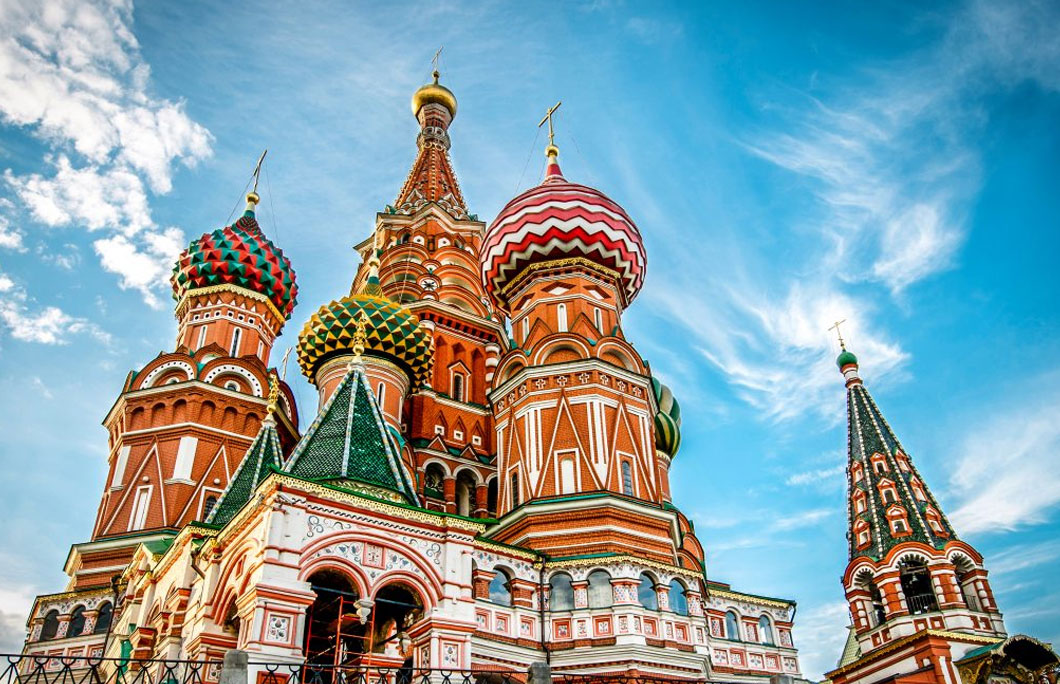
World leaders are heading to the North of England. Manchester has officially been confirmed as the host city for the major G20 summit scheduled for November 27–28, 2027. If you think this is just another boring diplomatic talk shop happening behind closed doors in London, you're missing the entire point.
For decades, international set-pieces of this magnitude rarely strayed far from the capital. Shifting the spotlight to Manchester breaks that tired mold. It forces global superpowers, finance ministers, and security apparatuses to reckon with a city built on industry, music, and an independent streak that refuses to bow to Whitehall conventions. Meanwhile, you can explore other stories here: Middle East Flashpoint Why Iran Staking Everything On The Strait Of Hormuz Changes The Game.
What Manchester Hosting Means on the Ground
When you bring the heads of the world's biggest economies together, you don't just book a conference room and hope for the best. The Manchester Central Convention Complex is being floated as the main venue, putting a former railway station that once rocked to Oasis and The Smiths right at the center of global geopolitics.
Local businesses are already looking past the logistical headaches to see the obvious upside. Sacha Lord, the night-time economy advisor for Greater Manchester, pointed out that thousands of hotel rooms, bars, restaurants, and transport services will see direct windfalls. We are talking about tens of millions injected straight into local commerce. To see the bigger picture, check out the recent article by NPR.
Yet, it is not just about a temporary spike in hospitality sales. Hosting an event where G20 countries represent roughly two-thirds of the global population puts Manchester squarely on the map for international trade and long-term investment.
The Logistics Nightmare Nobody Wants to Talk About
Let's be honest for a second. Pulling off a summit of this scale outside of London is a massive gamble. The security operation will easily be the largest the region has ever seen. When the UK last hosted the G20 in London back in 2009, the security bill alone topped seven million pounds. Adjust that for modern inflation, global tensions, and the unique footprint of central Manchester, and you are looking at an astronomical logistical undertaking.
Road closures, restricted zones, and airtight perimeters around venues like Manchester Central will turn daily commuting upside down for locals. If you live or work in the city center, November 2027 won't be business as usual. It's going to be heavy-duty disruption masked as prestige.
Why This Political Shift Matters Now
The move didn't happen by accident. It ties directly into broader political efforts to decentralize power away from Westminster and London. Bringing global leaders to the North signals a deliberate structural pivot.
Professors of government practice and local leaders have noted that high-stakes summits are massive set-pieces designed to project national identity. By placing that identity in Manchester rather than Downing Street or international convention centers down south, the government is making a loud statement about where modern British growth is supposed to originate.
How to Prepare If You're in Manchester
If you own a business, manage hospitality spaces, or operate logistics in the region, waiting until late 2027 to plan is a rookie mistake.
- Audit your supply chains early. Demand for local catering, security staffing, and private event spaces will spike long before the actual dates in November.
- Expect transport bottlenecks. Map out alternative routes for staff and stock well in advance of road closures.
- Capitalize on delegation networks. Summits bring massive supporting casts, from international journalists to corporate tech scouts looking for regional partners.
Manchester has always punched above its weight. Come late 2027, the whole planet is going to find out why.
:max_bytes(150000):strip_icc():focal(749x0:751x2)/cindy-crawford-family270-05202026-7a3e5fd008b24bf5bf16da2a6a67f37a.jpg)