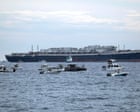
Imagine selling your house, packing your entire life into a few suitcases, and buying a cabin on a ship marketed as a permanent floating home. You expect to spend your retirement sailing past exotic ports without ever worrying about property taxes, utility bills, or lawn care. Then, a sudden economic shock hits global energy markets, and your floating utopia drops anchor in Cambodia with orders to pack your bags.
That is exactly what happened to passengers on Villa Vie Residences, a residential cruise ship operator promising a lifetime at sea aboard the Villa Vie Odyssey. When soaring fuel costs collided with geopolitical conflict in the Middle East, the dream of an endless cruise ran aground on hard financial reality.
If you have ever romanticized the idea of ditching land-based life for a perpetual ocean voyage, this abrupt suspension serves as a massive wake-up call. Let's look at why residential cruising is far more fragile than the glossy marketing brochures let on.
The Broken Math of Perpetual Cruising
The pitch sounds irresistible. For an upfront purchase price starting around $230,000 for a cabin—plus ongoing monthly fees—you secure a permanent suite on a ship that circumnavigates the globe. You wake up in a different country every few weeks. You eat meals prepared by professional chefs.
The business model relies heavily on stable operating costs. When companies pitch these long-term voyages, they bake predictable fuel, port, and maintenance expenses into their financial models.
Then energy markets implode.
According to Villa Vie Residences, monthly fuel costs per cabin skyrocketed from roughly $1,800 to between $6,000 and $8,000 in parts of Asia. Why? Ongoing conflict and supply disruptions tied to the war in Iran sent global oil and gas prices surging.
Operating a massive cruise vessel requires immense quantities of bunker fuel. When fuel prices quadruple almost overnight, a fixed-fee financial model shatters instantly. The operator attempted to adapt by slowing the ship down to conserve fuel, shortening itineraries, and introducing fuel surcharges, but the math simply refused to work. Passing a fourfold increase directly onto the residents would have priced everyday retirees out of their own homes.
When Your Floating Home Becomes a Transient Nightmare
Living on land gives you stability. If your landlord raises your rent or your utility bill spikes, you have legal protections, alternative housing options, or the ability to cut back.
At sea, you are entirely at the mercy of a corporate operator.
When Villa Vie Residences announced the sudden suspension of operations, passengers—including well-known resident Randy Cassingham and travelers like Holly Hennessy who lived aboard with her cat—received less than 24 hours' notice to disembark in Cambodia.
Passengers were left scrambling for temporary accommodations while the company evaluated restructuring options over a sixty-day window. The psychological toll of having your permanent residence abruptly pulled out from under you while docked in a foreign country is hard to overstate. You cannot simply walk down the street to a new apartment when your entire community is anchored offshore.
The Hidden Vulnerabilities of Residential Ships
Residential cruising is a niche market experiencing a surge in popularity, but it carries unique risks that traditional real estate simply does not have.
- Geopolitical Exposure: Ships move across international waters, making them directly vulnerable to regional conflicts, trade disputes, and sudden spikes in marine fuel prices.
- Corporate Dependency: You might own the rights to your cabin, but you do not own the engines, the hull, or the operational license. If the operating company hits financial turbulence, your asset is trapped.
- Maintenance and Upkeep: Cruise ships age fast under constant use. Without robust capital reserves, unexpected dry-dock repairs or regulatory compliance costs can sink a company overnight.
Traditional homeowners deal with property maintenance and shifting interest rates, but they rarely face a scenario where their entire neighborhood is forced into sudden evacuation because crude oil prices spiked on the other side of the planet.
What This Means for the Future of Life at Sea
The suspension doesn't mean residential cruising is dead forever. Demand for alternative retirement lifestyles is higher than ever, driven by aging populations looking for adventure.
However, future operators will need to build massive shock absorbers into their financial structures. Expect to see stricter variable fee models, more sophisticated hedging against energy market volatility, and clearer emergency evacuation and housing guarantees for stranded passengers.
If you are currently evaluating a lifestyle change that involves moving onto a boat, look past the lifestyle marketing. Ask hard questions about how the company manages fuel price volatility, what financial safety nets exist if operations stall, and where you will sleep if the voyage stops unexpectedly.
The ocean is vast, unpredictable, and entirely unforgiving to bad math.
Plan your next steps carefully before trading your foundation for a cabin key. Look into alternative long-term travel models, such as slow-travel nomadism or regional house-swapping networks, which offer adventure without tying your permanent housing security to the volatile global fuel market.