Billions of dollars can buy a lot of things, but they cannot buy a captive audience or an organic ecosystem. When LIV Golf filed for Chapter 11 bankruptcy protection in a New Jersey federal court, it marked the official crumbling of golf's most expensive experiment. The Saudi-backed breakaway circuit burned through more than $5.5 billion in debt and equity since 2021, leaving behind a trail of unpaid superstar contracts and an uncertain future.
If you followed the financial trajectory of the sport over the last few years, this ending didn't come as a shock. It was just a matter of time.
The Anatomy of a Billion-Dollar Burn
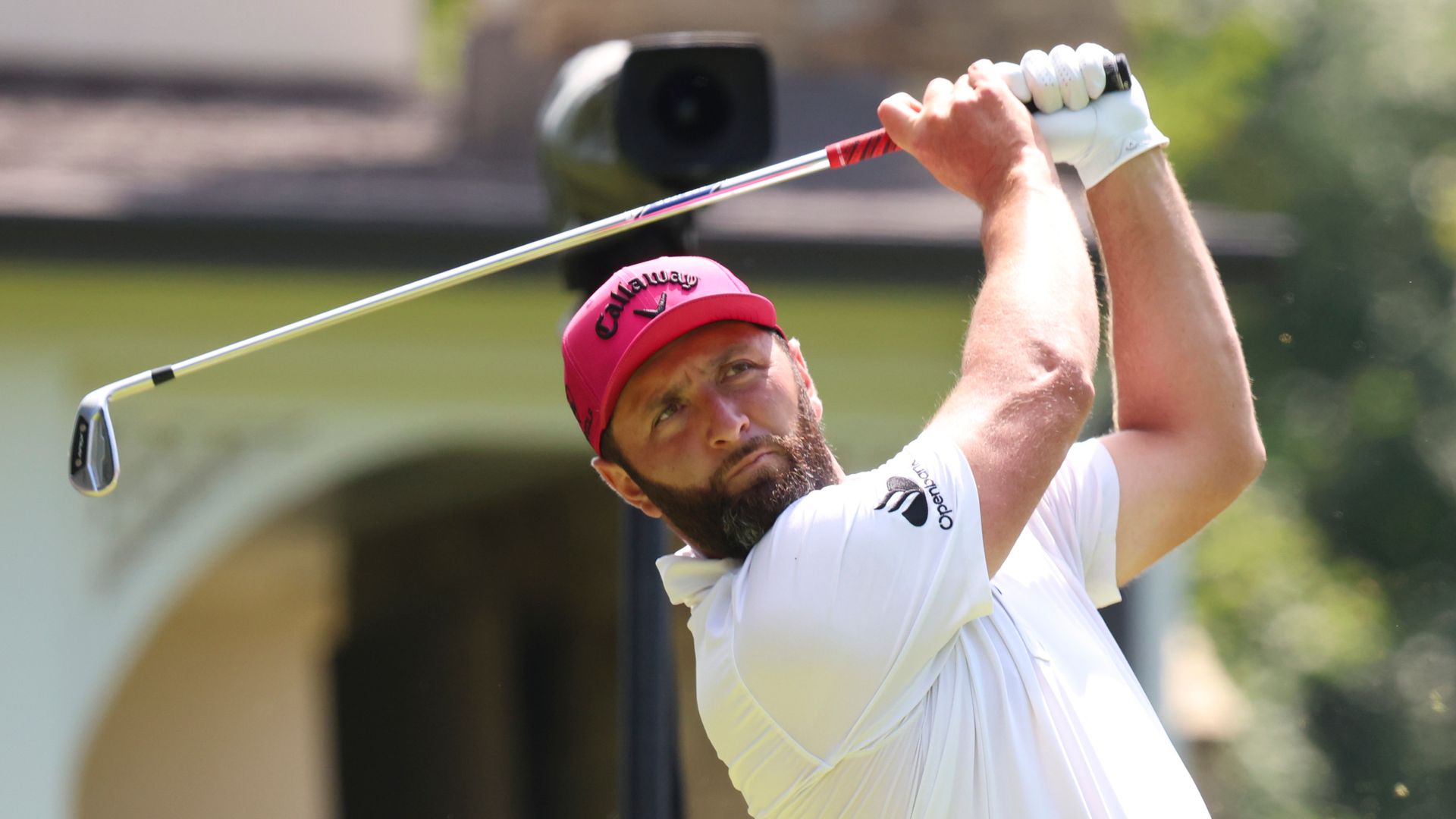
Throwing eye-watering signing bonuses at elite players like Jon Rahm, Bryson DeChambeau, and Dustin Johnson made headlines, but it failed to build a sustainable business model. The math simply never worked. Ticket sales, television broadcast rights, and sponsorship deals were a drop in the ocean compared to the massive operational costs and guaranteed payouts required to lure talent away from the PGA Tour.
When the Public Investment Fund of Saudi Arabia pulled the plug on fresh funding earlier in the year, the ticking clock became impossible to ignore. Court filings show liabilities soaring between $500 million and $1 billion, while the organization was left with a fraction of that in liquid assets. Nine of the tour's top golfers suddenly found themselves listed among the largest unsecured creditors, owed millions in unpaid third-quarter compensation.
What Happens to the Stars Left Holding the Bag?
The immediate fallout hits the players hardest. Jon Rahm tops the list with a multi-million-dollar unsecured claim, closely followed by DeChambeau, Dustin Johnson, and Cameron Smith. These athletes signed up for guaranteed generational wealth, but bankruptcy courts operate under different rules than flashy press conferences.
Instead of cash payouts, restructuring proposals point toward an equity-based rescue plan. Private equity firm BC Partners has stepped into the picture with plans for a recapitalization transaction, dubbed by industry insiders as a potential "LIV 2.0." Under this proposed structure, the players themselves could end up holding majority ownership of the reorganized circuit. It is a desperate gamble to keep the lights on and align the roster's financial interests directly with the survival of the league.
Why the Traditional Golf Establishment Won
For all the talk of modernizing golf with team formats, shotgun starts, and loud music, traditional golf fans voted with their remote controls and ticket purchases. Viewership numbers struggled to find a consistent mainstream home, and the lack of a traditional promotion-and-relegation structure left competitive stakes feeling artificial to many casual watchers.
Money can disrupt an industry overnight, but sports leagues survive on tribalism, history, and generational attachment. You cannot manufacture a century of tradition in three years, no matter how heavy the checkbook is.
The Path Forward for Professional Golf
The bankruptcy filing doesn't necessarily mean professional golf is returning to its old monopoly status tomorrow, but it fundamentally shifts the power dynamics. Players who gambled on guaranteed contracts are now forced to become equity stakeholders in a salvage operation.
If you are watching the professional game evolve, keep an eye on how court-supervised restructuring plays out over the next few months. Watch whether private equity can squeeze profitability out of a bruised brand, and pay attention to how remaining stars navigate their next career moves. The era of limitless petrodollar spending in professional sports has hit a brick wall, and the reality check is going to be messy.