The date was February 24, 2022. For most of Europe, the full-scale invasion of Ukraine began as breaking news alerts and chilling footage on television screens. For sisters Olga and Sasha Kurovska, it meant an immediate rupture. Sasha was trapped in Kyiv, watching the sky darken with smoke and hearing the concussions of incoming ordnance. Olga was miles away in Paris, paralyzed by distance, safety, and a profound, hollow guilt.
To bridge that physical and emotional chasm, the two francophone sisters started writing. Facilitated by journalist Elisa Mignot, their daily correspondence became a public-private chronicle published weekly. It cuts through geopolitical statistics and macro-level analysis to show what conflict actually feels like on a cellular level.
The Geography of Separation
Distance changes how you experience trauma. Olga spent her days walking the peaceful streets of Paris, listening to French people complain about mundane inconveniences while her mind remained locked in a Kyiv basement. The psychological weight of safety can feel surprisingly heavy. You are physically removed from danger, yet every notification brings the terror of a loved one's silence.
Meanwhile, Sasha navigated a transformed capital. The city she knew morphed into a landscape of checkpoints, sandbags, and air-raid sirens. Yet life persisted in the margins. People adapted. They found ways to cope with the absurdity of a normal routine running parallel to absolute devastation.
Why Personal Narratives Matter More Than Headlines
We consume thousands of news reports during wartime, but numbers rarely capture human reality. When you read the correspondence between two siblings separated by an invisible front line, the abstract concept of war evaporates.
- You feel the acute frustration of delayed text messages.
- You notice the linguistic shifts, as families abandon Russian to speak exclusively in Ukrainian.
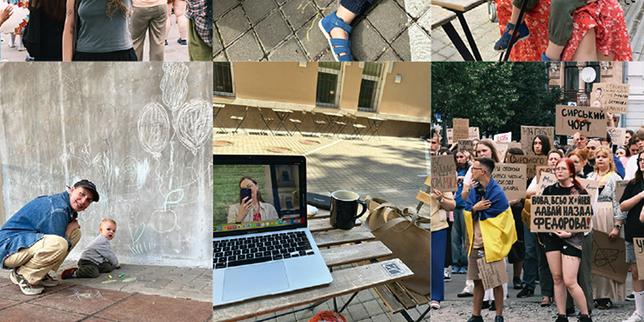
- You witness the strange creativity of human resilience during protests and daily survival.
This correspondence offers a raw look at identity transformation. Living through an existential threat forces people to redraw their internal maps. Language, heritage, and daily habits become conscious choices rather than background noise.
Moving Past Compassion Fatigue
It is easy for global audiences to grow numb to prolonged conflicts. News cycles shift, and front-page stories migrate to the back sections. Personal testimonies act as an antidote to this fatigue. They remind us that behind every casualty statistic is an entire universe of inside jokes, shared memories, and sibling rivalries interrupted by history.
If you want to truly understand modern conflict, stop looking exclusively at maps and troop movements. Look instead at how ordinary people document their survival, one letter at a time. Pay attention to the voices bridging the gap between the front lines and the diaspora. Read their words, share their stories, and refuse to let the human cost fade into the background noise of the internet.