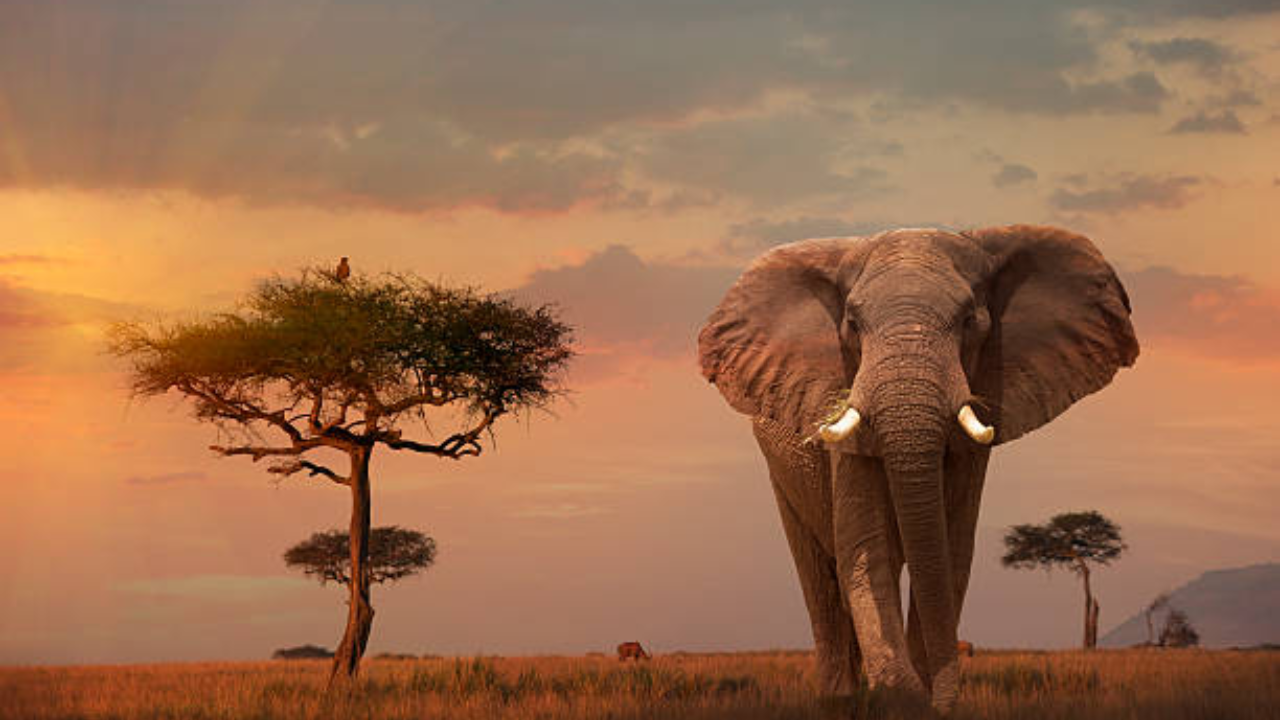
Poachers were killing a hundred African elephants every single day back in 2014. The illegal ivory trade was completely out of control, fueled by an insatiable global demand that treated majestic wildlife like commodities. Headlines screamed about the carnage, but awareness alone doesn't stop guys with rifles. Money does. That is why Leonardo DiCaprio stepped up with a massive one-million-dollar check from his foundation to target the crisis head-on.
If you trace how celebrity philanthropy usually works, it is mostly about photo ops and brief PR bumps. But DiCaprio's heavy investment into the Elephant Crisis Fund changed the game by getting cash directly to boots on the ground where it mattered most.
Where the Money Actually Went
You can't just throw cash at a continent-wide crisis and hope for the best. The funds raised at that infamous Malibu gala didn't vanish into bureaucratic overhead. They went straight toward a joint initiative between Save the Elephants and the Wildlife Conservation Network.
Here is what those funds targeted:
- Disrupting underground trafficking networks that moved ivory from the bush to international markets.
- Supplying anti-poaching units with field gear, radios, and operational logistics.
- Running localized community programs to shift local mindsets away from poaching.
Iain Douglas-Hamilton, a researcher who spent over fifty years studying wild elephants, knew that fragmented local efforts wouldn't cut it. Governments, local communities, and major financial backers had to lock arms. When the Leonardo DiCaprio Foundation dropped that initial seven-figure grant, it didn't just fund operations; it forced international media to keep staring at a slaughterhouse that many wanted to ignore.
The Brutal Reality of the Ivory Trade
People forget how bad things were a decade ago. Over twenty-two thousand elephants were butchered in 2012 alone, driving a ninety-five percent collapse in historical populations over the past century. Even with international bans in place, corruption and lax border enforcement made smuggling too easy.
The ivory trade wasn't a local hunting problem. It was an international mafia operation. Major processing hubs like Hong Kong and massive consumer markets like China kept the demand churning.
DiCaprio didn't stop at writing checks. He doubled down by producing The Ivory Game in 2016, a documentary that exposed the gritty, dangerous underbelly of the illegal trade. That film functioned as a real-life ecological thriller, pulling viewers out of comfortable cinema seats and dropping them right into the crossfire of anti-poaching wars.
Did the Million-Dollar Bet Pay Off?
Fast forward to today, and the landscape looks remarkably different. Major consumer markets like the United States and China implemented strict near-total bans on commercial ivory trade. Governments woke up. Grassroots funding networks scaled up.
According to groups like the Environmental Investigation Agency, overall elephant poaching and ivory trafficking dropped significantly over the past ten years. Are elephants completely safe now? Absolutely not. Populations still hover around fragile numbers, and habitat loss poses an ongoing threat. But the absolute bleeding of the species slowed down because people decided to fund actual defense strategies instead of offering thoughts and prayers.
If you want to support wildlife conservation today, skip the superficial social media shares. Look for organizations that maintain absolute financial transparency, support frontline rangers, and attack the demand side of illegal wildlife products. Real conservation takes relentless cash and zero tolerance for poachers.