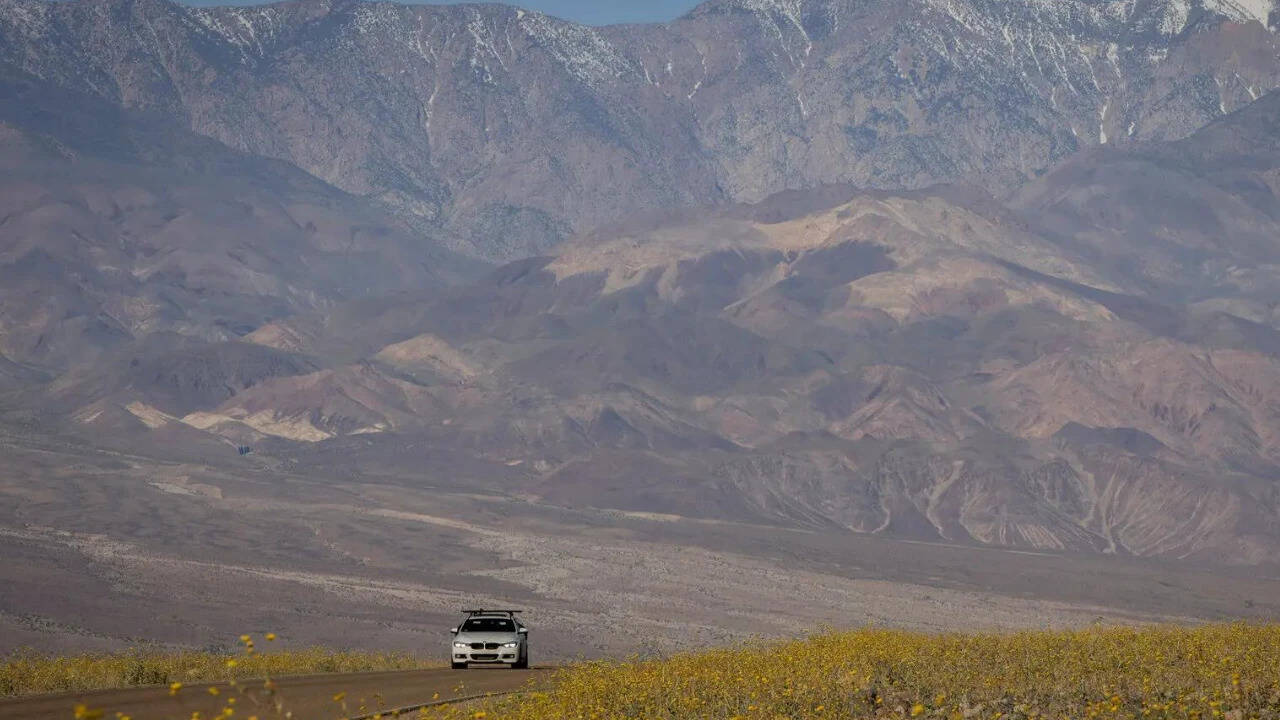
When a vehicle gets stranded on a remote backcountry track in 47°C heat, standard survival instincts tell most people to start walking for help. That instinct kills.
A recent tragedy in Death Valley National Park claimed the life of 68-year-old French tourist Pierre Michel Formosa. He and his traveling companion made the fateful decision to leave their stuck vehicle on West Side Road and trek across the salt flats toward Badwater Road. They were trying to outrun an environment that doesn't negotiate. Temperatures soared to 116 degrees Fahrenheit, and Formosa couldn't finish the grueling walk. For another look, consider: this related article.
If you travel into extreme desert environments, you need to understand how quickly thin margins disappear. Let's look at why standard wilderness advice fails completely in places like Death Valley and what you should do instead.
The Deadly Myth of Walking Out for Help
Movies teach us that walking away from a broken-down vehicle shows initiative. In a normal climate, maybe it does. In a desert basin sitting below sea level, it is basically a death sentence. Related coverage regarding this has been provided by National Geographic Travel.
When Formosa and his companion got stuck in the mud near Queen of Sheba Mine Road, they faced a stark reality. No other cars were around. Cell service doesn't exist out there. But stepping away from the vehicle strips away your biggest asset: shade.
National Park Service guidelines are explicit on this point for a reason. Your car acts as a high-visibility beacon for rescue aircraft. More importantly, it shields you from direct solar radiation. Once you step out onto open salt flats, ambient heat and radiant ground temperatures cook the human body faster than you can sweat.
Understanding the Trap of West Side Road
A lot of tourists underestimate dirt and gravel tracks inside the park. West Side Road looks like an adventure on a map, but it runs through unforgiving terrain. Vehicles can bog down in unexpected mud, suffer sharp tire punctures, or break mechanical parts miles away from paved arteries.
Temperatures in Death Valley routinely shatter normal thresholds. At 47°C (116°F), dehydration happens in minutes, not hours. Your body stops cooling itself efficiently, blood pressure drops, and confusion sets in long before you realize you're suffering from heat stroke. Formosa managed to cover roughly 1.3 miles before his body shut down. His companion made it to the Furnace Creek Visitor Center to raise the alarm, triggering an immediate search involving park rangers and a California Highway Patrol helicopter. They found Formosa 1.5 miles away from safety, but it was too late.
How to Stay Alive When Things Go Wrong
If you ever find yourself stranded in extreme heat, throw out conventional hiking logic. Follow these survival rules instead:
- Stay with the vehicle: Do not wander off into the open desert. A car is easier for rescuers to spot from the air than a single person.
- Maximize shade: Keep windows rolled down if the AC doesn't work, stay inside the metal shell, and use floor mats or extra clothing to block direct sunlight through glass.
- Conserve your water: Drink when you're thirsty, but don't ration irrationally if you have supplies. Staying hydrated keeps your cognitive functions sharp.
- Use satellite tech: Standard cell phones are useless in most of Death Valley. Carry a dedicated satellite messenger or personal locator beacon if you plan to explore remote dirt roads.
Desert environments demand absolute respect. Know your vehicle's limits, check road conditions before heading out, and remember that staying put is your best defense against the heat.