Another technical meltdown at National Air Traffic Services (Nats) grounding over 2,000 flights shouldn't shock anyone who pays attention to aviation infrastructure. When the system crashed at the Swanwick site, it trapped passengers on tarmac runways for hours and triggered a cascade of delays across major hubs like Heathrow and Gatwick.
Transport Secretary Heidi Alexander wasted no time summoning Nats chief executive Martin Rolfe to an emergency meeting. She gave him just one week to deliver a preliminary report. Meanwhile, airlines are furious, passengers are stranded, and everyone is asking the same uncomfortable question: why does a single software hiccup bring British airspace to its knees? For a different look, check out: this related article.
The Breaking Point at Swanwick
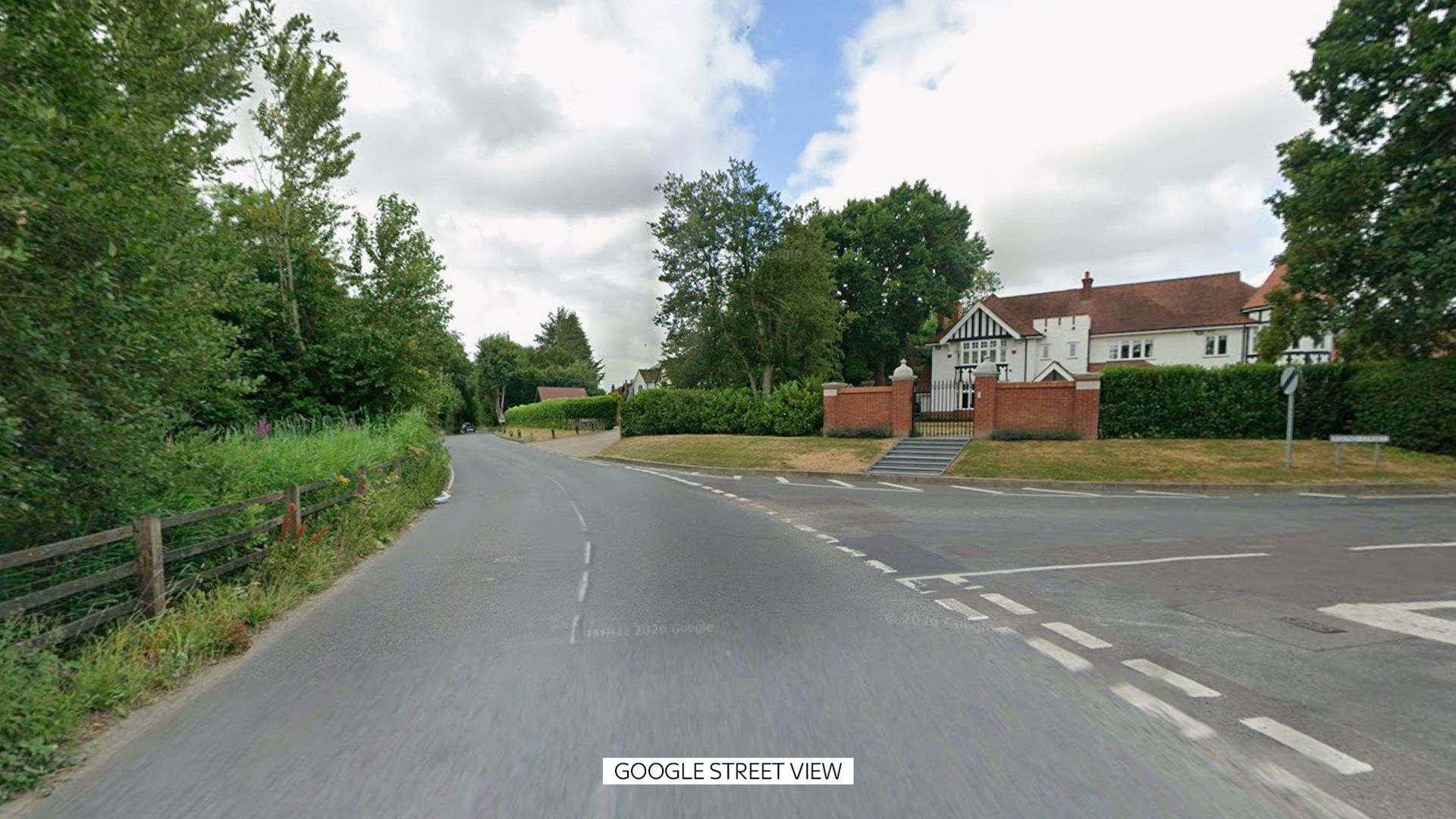
The chaos started when the flight data processing system failed. For roughly four hours, automated planning tools went dark. When automation fails in air traffic control, workers have to build flight paths manually. Manual processing is safe, but it moves at a snail's pace compared to computers.
The math is brutal. Airports like Heathrow operate near absolute capacity on normal days. Take away automated routing for a few hours, and you create a backlog that takes days to untangle. Planes end up parked in the wrong countries, crews time out of their legal duty hours, and schedules disintegrate. Further coverage on the subject has been provided by Reuters.
Industry data shows that over 330,000 passengers felt the impact of this shutdown. Some travelers watched their connecting flights vanish while sitting on grounded aircraft. Others found themselves sleeping on terminal floor tiles across Europe because inbound aircraft could not return to the UK.
Blame Shifting and Political Pressure
Airlines didn't hold back. Ryanair boss Michael O'Leary called Rolfe's position untenable, demanding his immediate resignation. British Airways issued an uncharacteristically sharp public statement pointing out that travelers and airline staff are exhausted by repeated systemic failures.
Reports later surfaced suggesting the glitch might have stemmed from spurious flight data entered by a military aircraft. Nats leadership has strongly defended the overall safety of British airspace, pointing out that safety remains the absolute priority. Downing Street initially maintained confidence in Rolfe while backing Alexander's push for an independent review by the Civil Aviation Authority (CAA).
Yet, trust is wearing thin. This incident echoes previous high-profile meltdowns, most notably the August 2023 flight plan parsing failure. Even though Nats insists this technical fault was entirely separate, carriers argue that the lack of robust backup architecture points to deeper operational flaws.
What This Means for Your Next Trip
If you fly through British airports frequently, you need a strategy to deal with recurring infrastructure fragility.
- Book early morning departures: Flights leaving at the crack of dawn usually beat the daily accumulation of delays and technical hiccups.
- Avoid tight connections: Give yourself at least three hours if you are transferring through Heathrow, Gatwick, or Manchester. A minor ATC slowdown will ruin a 60-minute layover.
- Know your passenger rights: Understand that major air traffic control outages are often classified as extraordinary circumstances under UK passenger regulations. This means airlines may not owe cash compensation for cancellations, though they must still provide food, hotel rooms, and alternative transport.
- Download airline apps: Monitor aircraft tail numbers. If your incoming plane is delayed hours upstream, change your booking before you even head to the airport.
Air travel relies on aging digital layers stitched together with temporary fixes. Until major modernization projects actually deliver a resilient secondary backup network, expect more turbulence ahead. Keep your travel insurance active and pack extra patience in your carry-on.