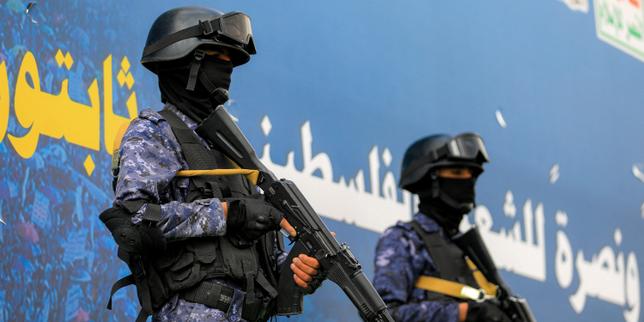
Six ballistic missiles streaked across the skies toward strategic Saudi cities earlier this week, only to be neutralized by air defense systems before finding their marks. The Saudi-led coalition didn't wait long to point fingers at the Houthi movement in Yemen, while Tehran firmly rejected accusations that it pulls the strings behind the rebel faction. If you are trying to understand why this escalation matters right now, you have to look beyond the immediate explosions and examine the shifting balance of power across the Red Sea.
The attacks targeted vital infrastructure near Taif and Yanbu, shaking a region already walking a diplomatic tightrope. Major General Turki al-Maliki, the coalition spokesperson, came out swinging with warnings that militant violations won't go unanswered. Meanwhile, civil defense units issued sharp warnings across affected sectors including Mecca and Tabuk before confirming the immediate threat had dissipated.
The Anatomy of an Escalation
Let's be clear about what is happening on the ground. Tensions didn't just spike overnight. Fighting between the Houthis and coalition-backed forces has steadily intensified since July, marked by previous failed strikes aimed at Riyadh. When ballistic hardware starts flying toward major Red Sea ports and industrial hubs, economic anxiety naturally follows. Insurance rates tick up, shipping lanes get jittery, and military commanders on all sides start reviewing their contingency playbooks.
Why do the Houthi forces keep pushing these long-range operations despite heavy air defense networks? They are playing a long strategic game. By projecting power past Yemen's borders, they maintain domestic pressure and signal defiance against foreign military interventions. At the same time, regional logistics take a direct hit, testing the resilience of Saudi infrastructure.
The Tehran Connection and Deniability
Iran's official stance remains unchanged: Tehran denies dictating military tactics or strategy to the Houthi leadership. Yet, international observers remain deeply skeptical. Western intelligence and coalition officials routinely point to shared technology and logistical support linking Iranian networks to Houthi missile arsenals.
Whether direct orders come from Iranian commanders or local rebel leaders act with strategic autonomy, the result is the same. The rhetoric coming out of capitals across the Middle East highlights a dangerous game of plausible deniability. Tehran wants the geopolitical leverage without triggering a direct, full-scale regional war that could devastate its own economic stability.
What Comes Next for Regional Security
You can expect tighter security perimeters around critical energy facilities and key transport hubs in western Saudi Arabia. Air defense readiness is running at peak levels, but relying purely on interception isn't a long-term fix. Interceptors are expensive, and defensive postures alone rarely stop a determined adversary from iterating on drone and missile designs.
Diplomatic channels remain congested, clogged by mutual distrust and competing demands. Until a durable political settlement takes root inside Yemen, border skirmishes and aerial intercepts will remain the dangerous status quo. Don't look for a quick diplomatic breakthrough; look for how quickly the next wave of security measures takes effect on the ground.