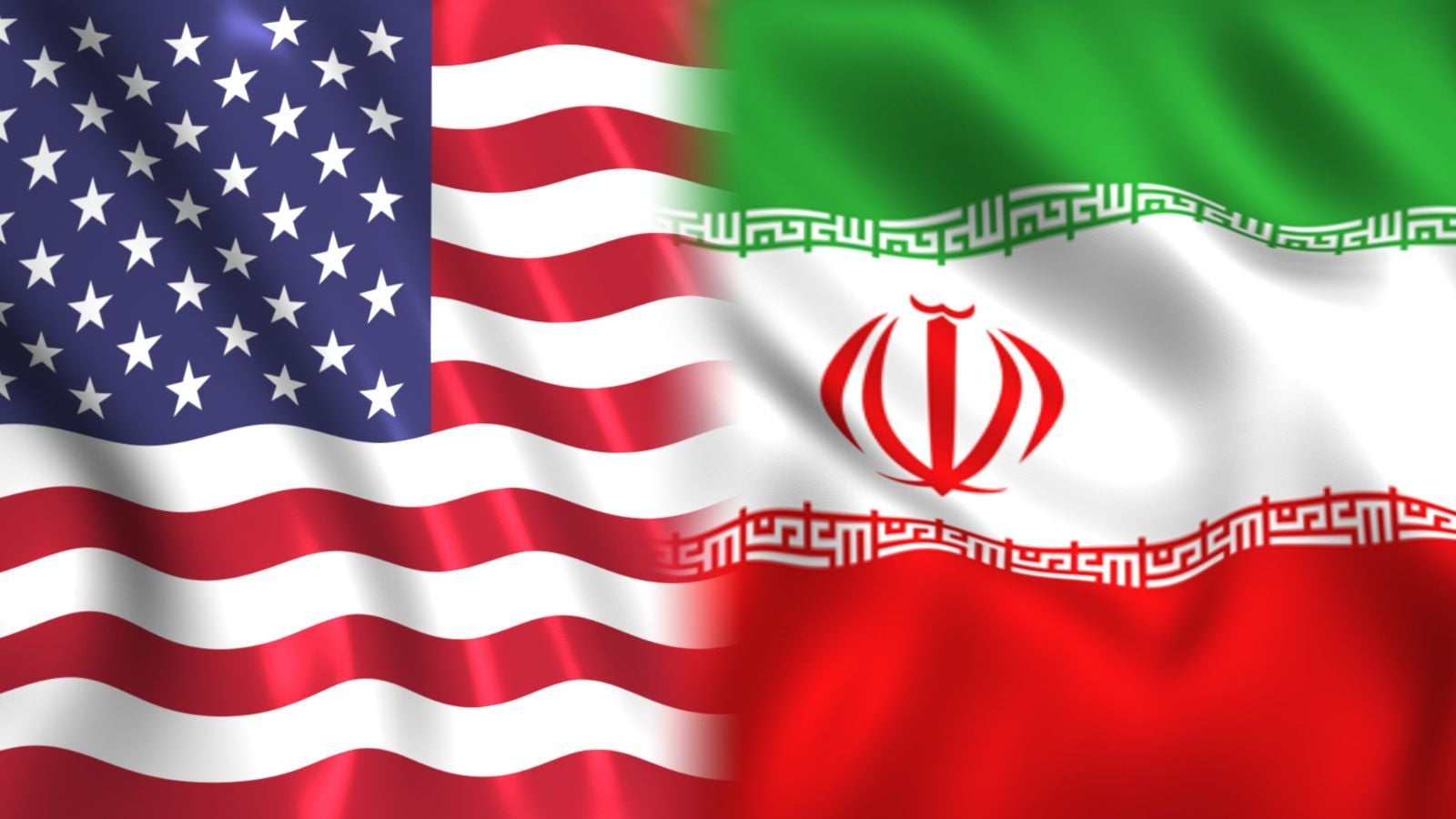
We are witnessing a bizarre, high-stakes paradox play out in real time. On one hand, US bombs are literally dropping on Iranian targets. On the other hand, Iran just handed over an American citizen in what Donald Trump calls a "gesture of Goodwill."
It sounds like a bad movie plot. But on Wednesday, July 15, 2026, it became reality.
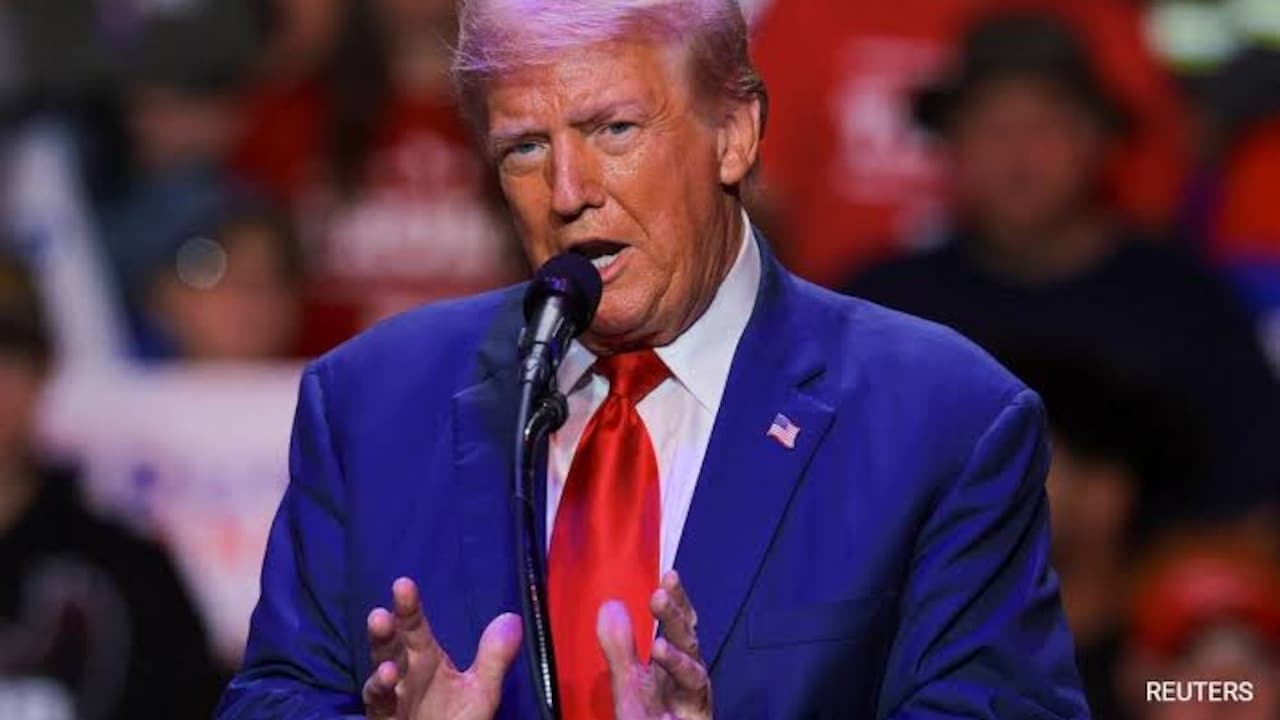
Trump announced on Truth Social that a US citizen wrongfully detained since December 2024 has safely left Iran. She is out. She is in good condition. Trump even thanked Tehran.
But do not let the polite diplomatic public statements fool you. This is not a sudden outbreak of peace. It is a highly calculated, cold move on a messy geopolitical chessboard. Understanding what actually happened here requires looking past the social media posts. We need to look at the brutal reality of what is happening in the Middle East right now.
Who is Dena Karari and why was she held
For hours after Trump's social media post, the identity of the freed American remained a mystery. Trump did not name her. The White House stayed quiet.
Then, human rights lawyer Jared Genser broke the silence. Genser, a well-known international lawyer often called "the extractor" for his work freeing political prisoners, confirmed the freed citizen is his client, Dena Karari.
Karari is a dual US-Iranian citizen. She traveled to Iran in late 2024 to visit her family. When she tried to leave in December of that year, the Iranian government slapped her with an exit ban. She was trapped.
Tehran did not throw her into the notorious Evin Prison. Instead, they used a different, equally agonizing tactic. They kept her under a coercive exit ban. They interrogated her dozens of times. Iran's Ministry of Intelligence and Security dragged her in for questioning over and over. They accused her of bogus charges. Espionage. Collaborating with a hostile state.
Her real work was far more innocent. Karari ran the Children of Mehr Foundation. It is a non-profit charity that helps impoverished kids in Iran using private donations. But to the paranoid regime in Tehran, charity work is a perfect cover for spying.
The psychological toll of this soft imprisonment is brutal. You are not in a cell, but you cannot leave the country. You live every day waiting for a knock on the door. Genser noted that while she was never physically locked up, she suffered immense physical and psychological hardship. Now, she is finally on her way back home to the United States.
The weird timing of a goodwill gesture
The timing of this release is almost comical if it were not so dangerous.
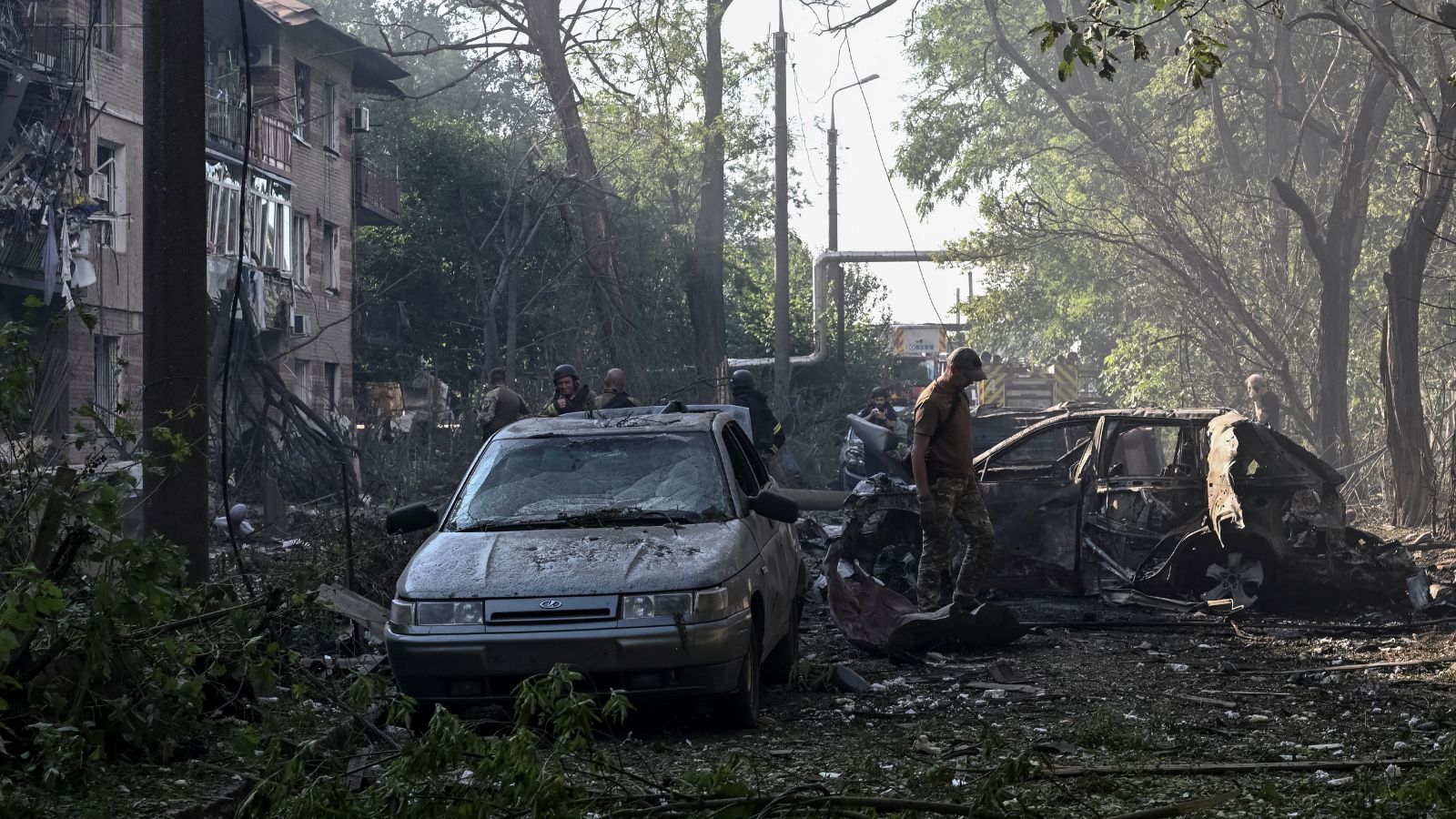
Trump praised Iran for its goodwill. Yet, just hours earlier, US Central Command launched its fifth consecutive night of military strikes against Iranian targets. The US military is aggressively striking Tehran's assets to protect the Strait of Hormuz. Trump has even reimposed a naval blockade on Iranian ports.
Just this week, Trump went on Fox News to issue an ultimatum. He warned that if Iran does not come to the negotiating table, the US will start targeting civil infrastructure. Power plants. Bridges.
Trump did not mince words. He said the US is going to hit them hard, and if they do not cooperate, they will not have anybody left. He threatened to knock out their entire power grid.
So why did Iran release Karari now?
If you are a country facing imminent destruction of your power plants and bridges, you have a few options. You can fight back. You can negotiate. Or you can throw a diplomatic bone to buy time.
By letting Karari leave, Iran did not just free a hostage. They threw a wrench into Trump's narrative. It is hard to justify bombing a country into the stone age when they just handed you a citizen with a bow on top. It is a classic stall tactic. Tehran is trying to signal that they can be reasonable, even while their parliament speaker, Mohammad Bagher Ghalibaf, publicly screams that Iran has complete freedom of action to confront American aggression.
The illusion of the June peace deal
To understand how we got here, we have to look back a few weeks.
In June 2026, Washington and Tehran actually signed a memorandum of understanding. The goal was simple. End the simmering war in the Middle East. It looked like a breakthrough.
But it crumbled. Fast.
The deal did not hold because neither side trusted the other. Hostilities quickly resumed. Fighting spread across the region. Now, the Wall Street Journal reports that Trump is considering a much wider military campaign. We are talking about expanded airstrikes. Potential ground operations near the Strait of Hormuz. Strikes on nuclear-linked facilities.
In the middle of this escalating war, Karari's release is a tactical move. Iran knows how Trump operates. He loves to show his followers that his aggressive, "maximum pressure" tactics get results. By giving Trump a win he can brag about on Truth Social, Iran hopes to cool his temper. They want to delay those strikes on their power plants.
The hostage business model
Let's call this what it is. State-sponsored hostage taking is a business model for the Iranian regime.
They have done this for decades. They grab Western citizens, hold them on ridiculous charges, and wait for the right moment to trade them. Sometimes they want billions of dollars in frozen assets unfrozen. Sometimes they want their own spies released from Western prisons. Sometimes, like now, they just want to avoid getting bombed.
As of last month, the US government was tracking at least six Americans detained in Iran. Two are officially designated as wrongfully detained.
While we celebrate Karari getting home, we cannot ignore the others. What happens to them now? Does their value as bargaining chips go up or down?
Some foreign policy analysts argue that rewarding this behavior only encourages more of it. If Iran learns that grabbing dual citizens gets them diplomatic breathing room when US bombers are in the air, they will keep doing it. It is a vicious cycle.
What to watch next
Do not expect this release to magically stop the war. The underlying issues between the US and Iran are far too deep.
If you want to understand where this conflict is heading next, ignore the polite Truth Social posts. Instead, watch these critical indicators over the next few weeks.
Monitor the Strait of Hormuz shipping traffic
The Strait of Hormuz is the world's most important oil chokepoint. If Iran tries to block it, or if the US naval blockade gets tighter, oil prices will spike. Watch how shipping companies react. If insurance rates for tankers go through the roof, it means the military risk is getting worse, regardless of any hostaged releases.
Watch the target list
Trump threatened to hit Iranian power plants and bridges next week. If those strikes actually happen, it means the "goodwill gesture" failed to buy Iran the time they wanted. If the strikes are delayed, it means Tehran's gamble worked. Trump might be giving them a temporary window to get back to the negotiating table.
Keep an eye on the other detainees
Watch for news about the remaining Americans stuck in Iran. If negotiations are secretly happening behind the scenes, we might see more releases. If the situation gets worse, those detainees will likely face harsher treatment or mock trials as Tehran prepares for a longer conflict.
Dena Karari is free, and that is a massive victory for her, her family, and Jared Genser. But on the geopolitical stage, her release is just a brief pause in a much larger, incredibly dangerous storm.