Ground doesn't just shake in southern Japan; it snaps, rolls, and tests every rule of modern engineering. When a magnitude 7.1 earthquake struck Kumamoto prefecture, thousands of people did what decades of rigorous disaster drills taught them to do. They ducked, covered, and evacuated. But escaping the initial violent tremors didn't mean everyone was safe. About an hour after the main shock quieted down, a massive explosion ripped through a newly redeveloped shopping complex, turning a routine seismic event into a complex industrial nightmare.
You'll hear plenty of surface-level reports focusing strictly on Richter scales and cracked highways. What gets missed is the terrifying compounding effect of secondary hazards. When disaster strikes a densely built commercial area, the ground motion is only act one. Act two is where infrastructure fights back.
The Reality of Post-Earthquake Explosions
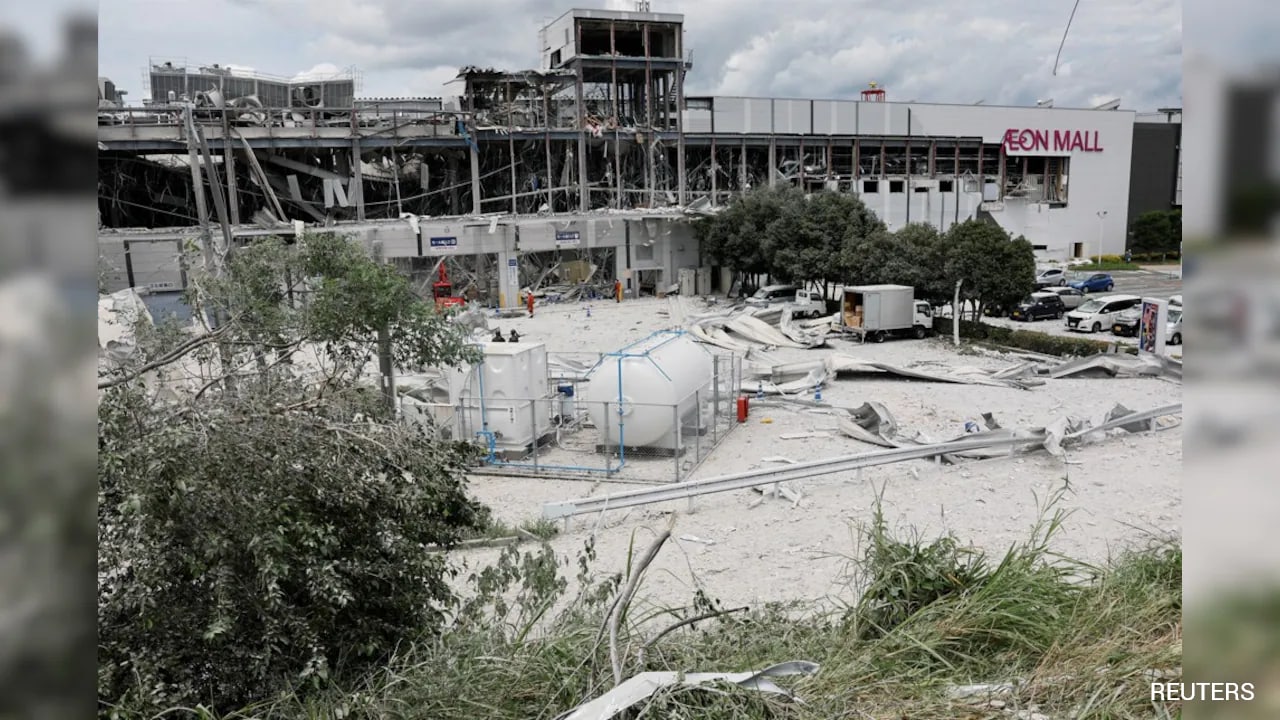
We tend to think of earthquake damage as static. Buildings fall down, roads fissure, and the rescue work begins. Reality is far messier. In the case of the Aeon shopping mall in Kashima, hundreds of shoppers and employees had already successfully scrambled out into the parking lots when the blast occurred.
Then the second-floor structure blew apart, exposing rusted steel beams and sending thick plumes of smoke drifting across the neighborhood like volcanic ash. Why did it explode? Emergency responders on the scene immediately reported smelling gas. Commercial complexes rely heavily on liquefied petroleum gas (LPG) stored in heavy canisters or fed through complex internal lines.
Even though automated safety valves are designed to slam shut the second erratic motion is detected, lines shear, fittings snap under torsional stress, and residual pockets accumulate. It's a race against time for firefighters who want to rush in, but can't, because structural instability and gas leaks make the burning shell a ticking bomb.
The Ghost of 2016 and Modern Vulnerabilities
What makes the Kumamoto disaster particularly brutal is the psychological weight of recent history. This exact region was torn apart by a devastating sequence of quakes a decade ago. The shopping complex in question had only recently finished extensive reconstruction, boasting upgraded earthquake-resistant features, reinforced ceilings, and modern safety compliance designed to weather the worst nature could throw at it.
Yet, resilience engineering focuses heavily on vertical loads and lateral shaking. Gas distribution and secondary chemical containment inside massive retail hubs introduce volatility that engineering standards still struggle to completely neutralize.
Beyond the retail sector, heavy industry took a severe hit. At a nearby Nippon Paper Industries plant, a massive industrial chimney collapsed, trapping workers and leaving multiple fatalities and missing persons in its wake. Major technology and manufacturing players like Sony, Fujifilm, and chipmaker TSMC immediately halted operations and evacuated staff as precautionary measures, highlighting how quickly regional supply chains seize up when the earth moves.
Surviving the Aftershocks and the Heat
If you're tracking emergency response logistics right now, the primary hurdle isn't just pulling people from the rubble. It's the environment. Tens of thousands of households are left without power, communications are patchy, and summer temperatures in the region are surging past 35 degrees Celsius (95 Fahrenheit).
Government agencies have deployed thousands of Self-Defense Force personnel, but emergency shelters face massive strains trying to keep displaced residents cool and hydrated while aftershocks continue to rattle the prefecture. Japan's disaster preparedness is world-class, but when a major commercial hub experiences a dual-threat catastrophe like an earthquake followed by a gas-fed blast, the margins for error shrink to zero.
Check your local infrastructure dependencies, know the shut-off points for your own gas and power lines, and never assume the danger ends when the shaking stops.
Several dead in Japan after magnitude 7.1 earthquake causes blast at mall
This video provides direct footage and on-the-ground news coverage of the earthquake damage and the shopping mall explosion in Kumamoto.
http://googleusercontent.com/youtube_content/1