Shoppers are tired of opening grocery apps and watching their favorite pantry staples climb in price week after week. When inflation hits hard, major food conglomerates face a brutal balancing act: pass every rising manufacturing cost onto the consumer and watch sales volume tank, or swallow the losses and hemorrhage profit margins. Kraft Heinz has walked this tightrope for years, relying heavily on its massive portfolio of household staples like Heinz ketchup, Kraft Macaroni & Cheese, and Oscar Mayer wieners. But keeping these iconic names affordable for cost-conscious shoppers requires much more than temporary price freezes or corporate optimism.
Let's look at how massive food brands actually manage pricing pressure, where their strategies fall short, and what shoppers should expect when walking down the grocery aisle.
The Reality Behind Grocery Pricing Pressures
You cannot talk about affordable food without looking at the supply chain realities that executives deal with daily. Agricultural commodities like wheat, sugar, soybeans, and vegetable oils fluctuate wildly based on weather patterns, geopolitical conflicts, and shipping expenses. When Kraft Heinz leadership talks about managing inflation, they aren't just adjusting numbers on a spreadsheet. They are racing against rising logistics expenses, labor shortages, and unexpected crop yields.
Former CEO Miguel Patricio pointed out that while passing every single expense directly to consumers is easy, it carries severe long-term consequences. Brand loyalty has limits. When store brands and private-label alternatives sit right next to a name-brand product at a fraction of the cost, shoppers switch quickly.
How Big Food Tries to Protect Your Wallet
To keep items within reach of budget-constrained families, conglomerates utilize specific tactical adjustments behind the scenes:
- Factory Efficiencies: Streamlining production lines to shave pennies off manufacturing costs per unit without altering the final product.
- Value Pack Options: Introducing bulk sizes or multi-packs that offer a lower cost per ounce for shoppers who have the upfront cash to buy in volume.
- Alternative Sourcing: Finding new agricultural suppliers early—such as sourcing drought-resistant tomato seeds—to prevent catastrophic raw ingredient spikes.
Yet, these measures have limitations. Shrinkflation—reducing package sizes while keeping prices identical—frequently emerges as a silent price hike that alienates loyal buyers once they notice the missing ounces.
What Most People Get Wrong About Legacy Food Brands
Consumers often assume that massive food corporations rake in pure windfalls whenever inflation spikes. The reality is far messier. Fixed overhead, packaging materials, freight expenses, and maintenance costs eat aggressively into operating margins. When a company experiences a multi-percent drop in sales volume because shoppers simply refuse to pay inflated prices, leadership is forced to pivot quickly toward productivity rather than arbitrary price bumps.
If you are trying to trim your own household grocery bill, relying on name brands out of habit is an expensive mistake. Compare unit prices meticulously. Private labels have closed the quality gap significantly, often matching the taste and nutritional profile of heritage brands at a significantly lower price point.
Stop assuming that paying more guarantees superior quality in packaged goods. Keep a close eye on unit pricing, explore store-brand alternatives, and force major brands to work harder for your hard-earned dollar.
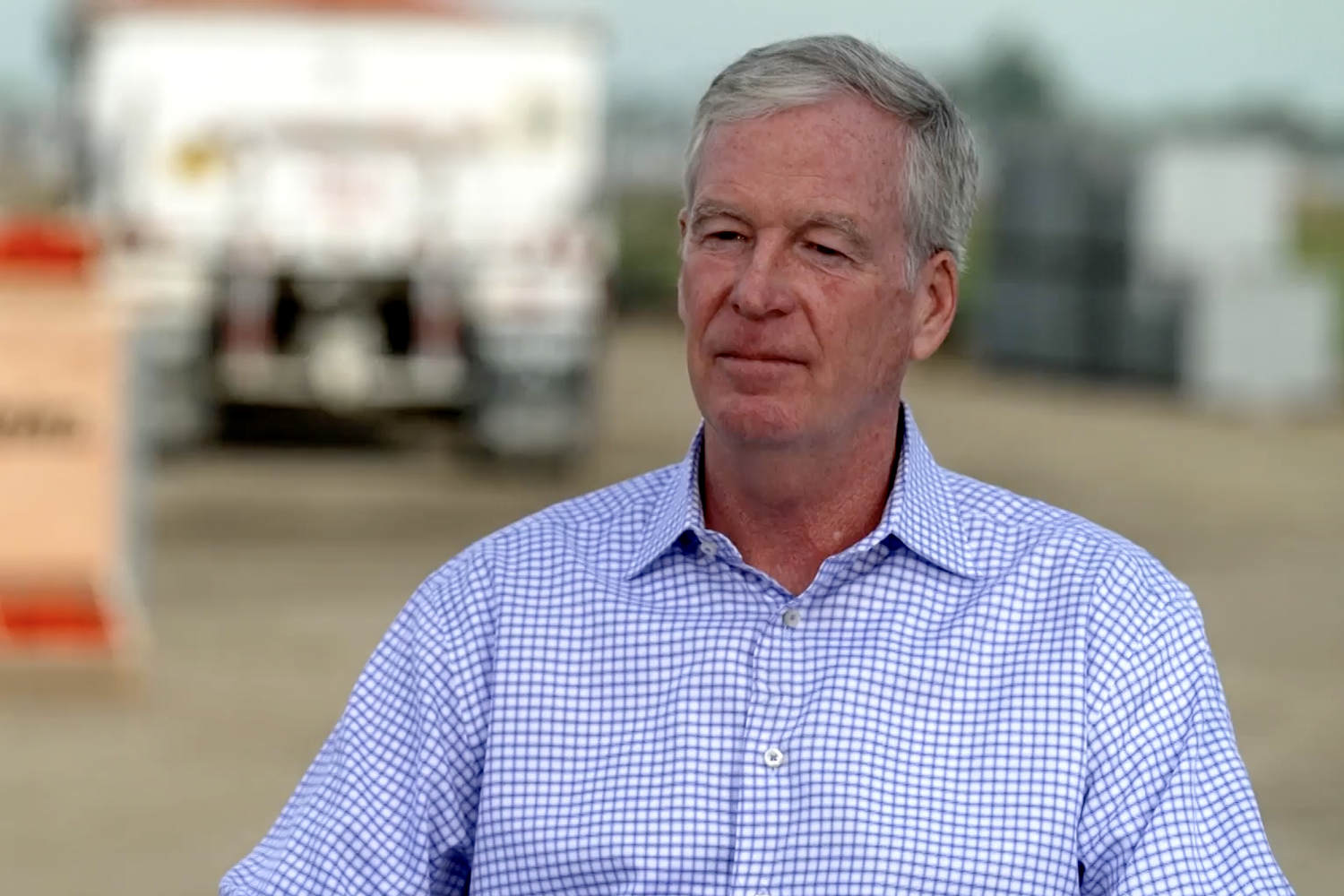
Kraft Heinz: We are 'very optimistic about the future,' CEO says
This video provides direct insights from company leadership regarding financial outlooks, brand reinvention strategies, and how major food manufacturers navigate ongoing market pressures.