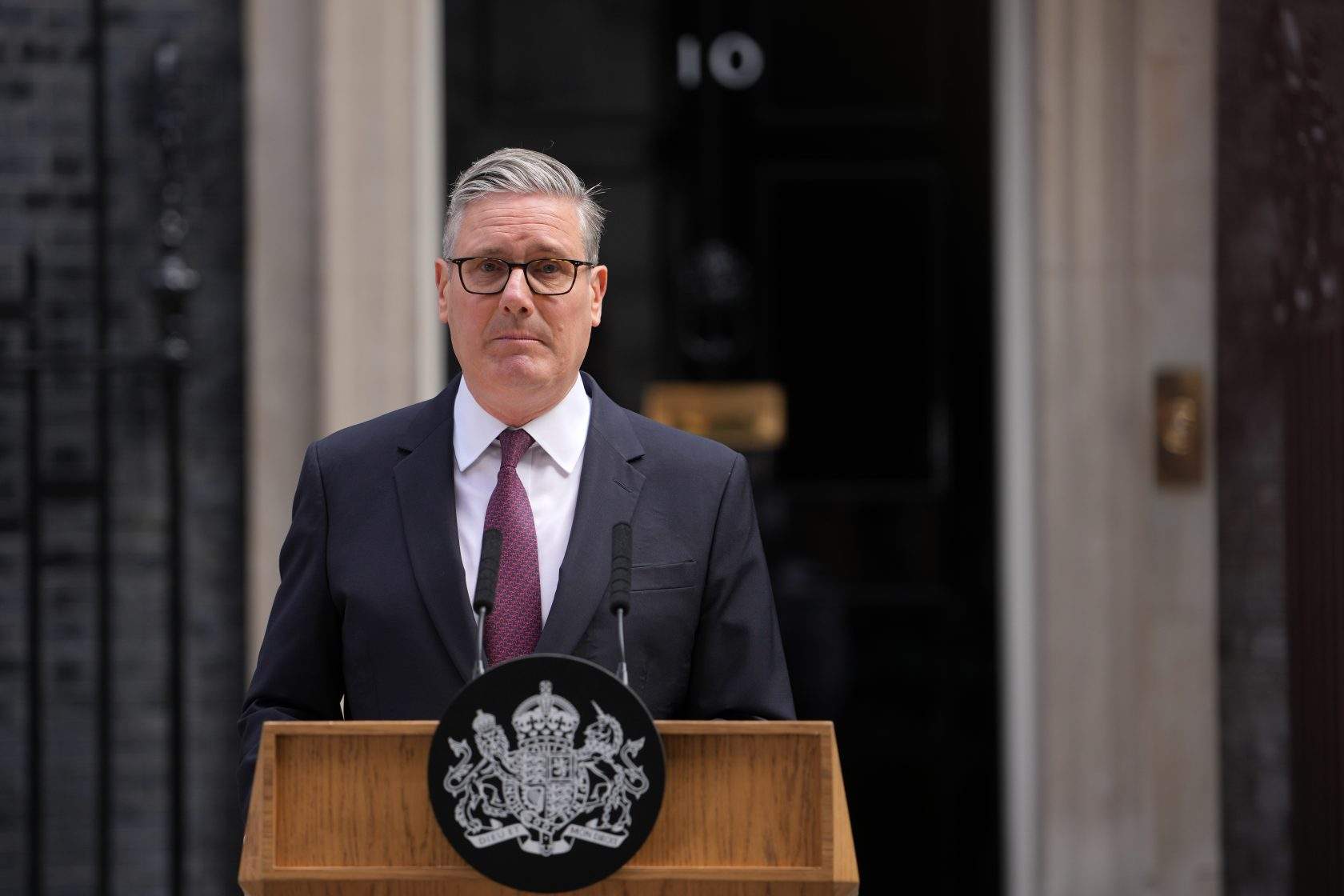
Winning a historic landslide victory less than two years ago doesn't buy you much time in modern British politics. Keir Starmer found that out the hard way outside 10 Downing Street this morning.
By announcing his resignation as leader of the Labour Party, Starmer didn't just end his own troubled tenure. He plunged Westminster right back into a familiar cycle of chaos. Britain is now looking at its seventh prime minister in just ten years.
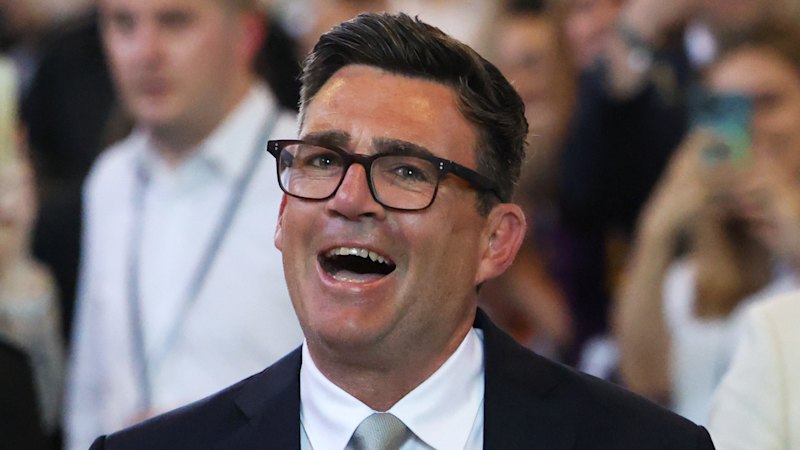
Voters wanted stability when they booted the Conservatives out in 2024. They didn't get it. Instead, economic stagnation, a brutal round of local election losses last month, and internal party warfare finally broke Starmer's grip on power. The immediate trigger was the sudden, aggressive return of former Greater Manchester Mayor Andy Burnham to parliament, winning the Makerfield by-election last week and immediately moving to challenge the prime minister.
When your own cabinet ministers start telling you privately that the game is up, you listen. Starmer listened, choked back tears at the podium, and threw in the towel.
The Breaking Point Behind the Keir Starmer Resignation
The Keir Starmer resignation didn't happen in a vacuum. It was the result of months of compounding crises that left the prime minister completely isolated.
Labour lawmakers grew deeply spooked by collapsing poll numbers and the rapid rise of insurgent parties. On one side, Nigel Farage's Reform UK has been aggressively peeling away working-class swing voters. On the other, the Green Party has been eating into Labour's urban, progressive base.
When Labour suffered crushing defeats in May's local elections, panic set in across the backbenches. Members of Parliament (MPs) looked at Starmer's dismal -46 approval rating and realized they were marching toward a cliff. They openly wondered if Starmer could actually win the next general election. The consensus was a resounding no.
Then came the international pressures. Strains on the "special relationship" with the United States grew worse under President Donald Trump. Starmer's initial refusal to let US forces use British bases to strike Iran—followed by a swift U-turn to allow "defensive" strikes—satisfied no one. It made him look weak to Washington and indecisive to voters at home.
Worse still was the domestic fallout over the escalating Jeffrey Epstein scandal. The appointment of former Labour power broker Peter Mandelson as the UK ambassador to the US blew up in Downing Street's face due to Mandelson's past ties to Epstein. The scandal even hit the royal family, resulting in Andrew Mountbatten Windsor being stripped of his royal titles and forced out of his residence. Starmer took massive flak for his handling of the situation, and his moral authority crumbled.
Enter Andy Burnham and the Battle for the Succession
The timetable for Starmer's exit sped up dramatically because his rivals stopped hiding in the shadows. Andy Burnham, long nicknamed the "King of the North," gave up his powerful mayoral seat in Manchester to run in last week's parliamentary by-election. The moment he won, Starmer's fate was sealed.
Burnham represents a completely different flavor of Labour politics—more populist, more communicative, and explicitly focused on regions outside London. He has already confirmed he will run in the upcoming leadership contest, which opens for nominations on July 9.
In a surprise twist, former Health Secretary Wes Streeting, who previously claimed he had the backing of 81 lawmakers to mount his own challenge, stood down. Streeting announced he will back Burnham to avoid a bloody, drawn-out civil war over the summer. He noted that the party can't afford to waste months exaggerating tiny differences when the public demands stability.
What Happens Right Now
If the Labour Party unites behind Burnham without a prolonged internal battle, a transition could happen within weeks, potentially by mid-July. If a full contest plays out among rank-and-file members, Starmer will remain as caretaker prime minister until parliament returns in September.
This means Starmer will still represent the UK at the upcoming NATO summit in early July and attend the G5 meeting in Berlin this week hosted by German Chancellor Friedrich Merz. But make no mistake, he is a lame duck on the world stage.
For everyday citizens, this political musical chairs feels exhausted. Liberal Democrat leader Ed Davey hit the nail on the head this morning, warning that the British public is entirely sick of an endless merry-go-round of prime ministers while nothing actually changes in their daily lives.
To survive, the next prime minister has to move past half-measures. The British economy is flatlining, public services are buckling, and the political establishment is fracturing. Changing the face at the top of Downing Street is the easy part. Fixing the underlying rot is another story entirely.
If you want to track how this transition impacts the markets and upcoming policy shifts, keep a close eye on the July 9 nomination deadline. That is when we will see if Burnham secures a totally unopposed coronation or if the left wing of the party forces a fight.