Five years after the dramatic political power grab of July 2021, Tunisia finds itself at a brutal crossroads. President Kaïs Saïed wanted absolute control. Now he owns every single crisis that comes with it.
If you look past the official press releases from Carthage, a harsh reality sets in. The streets are restless. The economy is squeezed tight. International partners are pulling back. Saïed isn't just fighting political opposition anymore; he is fighting a slow-motion descent into complete isolation. Read more on a related topic: this related article.
The Domestic Pressure Cooker
Daily life in Tunisia has turned into an endurance test. Citizens are dealing with rolling water cuts, electricity shortages during peak summer heat, and soaring prices for basic goods.
When you centralize all power in one pair of hands, you lose the luxury of blaming a dysfunctional parliament or a messy coalition government. Every broken promise lands directly on the president's desk. Additional reporting by Reuters explores comparable perspectives on this issue.
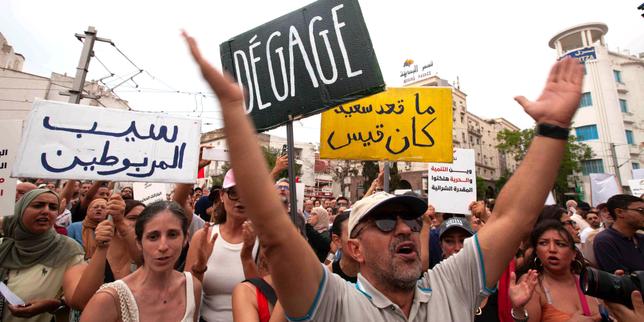
Public anger isn't hidden anymore. Protesters have taken to the streets to mark the five-year milestone of the extraordinary measures, shouting out economic frustration and demanding civil liberties.
The state's response? More crackdowns, arrests of activists, and tight control over information. But you can't jail your way out of structural inflation or empty grocery shelves.
The Economic Mirage
Saïed loves talking about national sovereignty and escaping foreign dictation. His administration recently rolled out the Development Plan spanning 2026 through 2030, which includes grand ambitions like converting foreign debt into local investments.
Sounds great on paper. Economists, however, aren't buying it.
Most of Tunisia's massive debt is owed to multilateral institutions or private bond markets. These entities don't just write off debt because a leader gives an impassioned speech about dignity. Creditors demand strict conditionality, institutional reforms, and predictable business environments.
Instead, investors face a climate of deep suspicion. When businessmen and private entrepreneurs are treated as potential criminals by default, capital simply stops flowing. Local talent packs its bags. Engineers, doctors, and young graduates leave the country in droves because domestic growth refuses to obey presidential decrees.
Burning Bridges Abroad
Isolation at home usually breeds isolation abroad. Tunisia's diplomatic footprint has shrunk significantly over the last few years.
Western capitals are growing impatient. While traditional partners like the European Union once justified their silence through migration management deals, the continuous erosion of democratic norms and press freedom is harder to ignore.
Tensions flare up constantly. Diplomatic spats—such as the recent friction involving foreign media interviews and the summoning of ambassadors—show a regime on edge. Washington and European lawmakers are openly debating accountability measures and targeted sanctions against inner-circle figures.
At the same time, regional dynamics are shifting. Critics point to opaque foreign alignments and a drift away from Tunisia's historical tradition of diplomatic balance.
The Breaking Point
Power built entirely on vertical authority is notoriously brittle. It feels immovable until it shatters.
Saïed still controls the machinery of state security, but the political equation is changing. When the middle class is squeezed, the youth feel betrayed, and international loans dry up, populist rhetoric stops paying the bills.
The upcoming months will test whether Carthage can adapt or if the current drift turns into an irreversible collapse. Tunisia's future depends entirely on whether realism replaces ideological stubbornness before the economic engine completely stops.