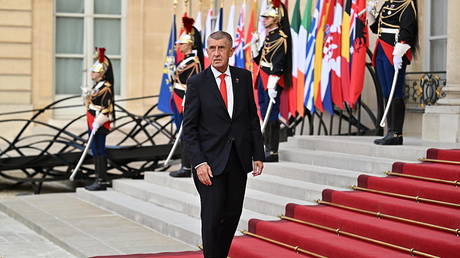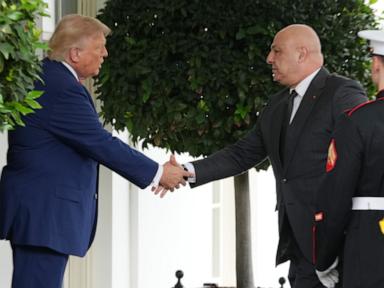
Lebanese President Joseph Aoun is walking into the White House with a plan, a ticking clock, and very little margin for error. His high-stakes meeting with Donald Trump marks the first time a Lebanese president has visited Washington in nearly two decades. He isn't there for a photo op. He wants Washington to force Israeli troops out of southern Lebanon.
It won't be easy.
The core conflict right now isn't just about troop positions on a map. It's about whether Lebanon can actually function as an independent nation while an armed non-state group operates inside its borders, and whether Washington has the appetite to squeeze an ally like Israel during an ongoing regional crisis.
What Lebanon Is Bringing to Washington
Aoun isn't coming to Washington empty-handed. He's bringing a written proposal detailing how the Lebanese Armed Forces intend to disarm Hezbollah and secure full state authority across the country's southern tier.
That proposal builds directly on a framework agreement signed back on June 26. Under that deal, Israel is supposed to progressively withdraw its forces, while Hezbollah turns over its weapons caches to the Lebanese military. In return, Washington and international partners promised financial support to strengthen Lebanon's cash-strapped military.
The U.S. State Department recently announced the launch of pilot zones in three southern villages—Froun, Srifa, and Zawtar al-Gharbieh. Lebanese soldiers have already moved in, establishing patrols and checkpoints.
Pilot Zone Implementation Snapshot:
• Target Villages: Froun, Srifa, Zawtar al-Gharbieh
• Primary Authority: Lebanese Armed Forces (LAF)
• Primary Goal: Test LAF capability to enforce weapon monopolies
• Status: Active patrols, pending verified Israeli forces redeployment
Sounds good on paper, right? But here's where reality hits hard. None of those initial pilot villages were actually under Israeli military control in the first place. Moving troops into areas where the opponent isn't standing doesn't prove you can push them out where they are. Local mayors and residents aren't celebrating yet. They know Israeli positions remain just down the road, and till those forces pull back, displacement and destruction remain everyday realities.
The Hezbollah Dilemma and Internal Lebanese Politics
You can't talk about Lebanese sovereignty without talking about Hezbollah. The group dragged the country into a devastating fight in March after launching strikes into northern Israel. The resulting air campaigns and ground operations left over 4,300 dead and displaced more than a million civilians.
Aoun—a former army general wounded twice in action—takes a straightforward stance. He openly asserts that only the state should hold weapons. He publicly criticized Hezbollah for sacrificing Lebanese lives to serve Iranian interests.
Recent Conflict Impact on Lebanon:
• Fatalities: 4,300+ people
• Civilian Displacement: 1.2+ million individuals
• Economic Infrastructure: Major road network and power damage
That bluntness earned him fierce domestic political pushback. Hezbollah rejected the U.S.-brokered talks outright. They argue that surrendering their heavy arms leaves the country defenseless against foreign aggression.
Aoun knows he's walking a tightrope. Push too hard against Hezbollah without securing a complete Israeli withdrawal, and he risks sparking internal sectarian conflict. Fail to disarm Hezbollah, and Israel stays put indefinitely.
What Marco Rubio and Washington Want
Secretary of State Marco Rubio met with Aoun earlier in the week. Rubio's message was clear. Washington fully supports the June framework, but peace won't happen until Hezbollah is effectively replaced by a capable government military.
Rubio also highlighted another critical aspect: cash. Lebanon's economy collapsed years ago, and its army soldiers earn meager wages. Expecting an underfunded, under-equipped national military to disarm a veteran militia without massive external investment is fantasy thinking.
Washington wants to see two things happen simultaneously:
- The Lebanese Armed Forces proving they can secure territory without Hezbollah.
- International donors injecting capital to rebuild damaged infrastructure and fund military salaries.
Why Trump Holds the Cards
Aoun believes Donald Trump is the only leader with enough clout to force Benjamin Netanyahu's hand. Israeli defense officials have repeatedly stated they won't fully leave southern Lebanon as long as non-state armed units operate nearby. Some Israeli military figures even insist on maintaining a permanent buffer zone.
If Trump chooses not to push Israel, Aoun returns to Beirut empty-handed. That outcome would severely damage his presidency and validate Hezbollah's argument that diplomacy with Washington yields nothing.
What Needs to Happen Next
Diplomatic talk means nothing without concrete movement on the ground. Watch these specific markers over the next few weeks:
- Expansion of Pilot Zones: Look for army deployments moving into villages currently occupied by Israeli troops, not just fringe areas.
- Verifiable Weapons Collection: Watch whether Lebanese soldiers actually take control of heavy artillery and missile stores in the south.
- Direct Aid Delivery: Track whether Washington delivers actual financial and logistical assistance to the Lebanese army.
Aoun's White House meeting isn't a victory lap. It's a high-wire test of whether diplomatic framework agreements can stand up to regional power dynamics.