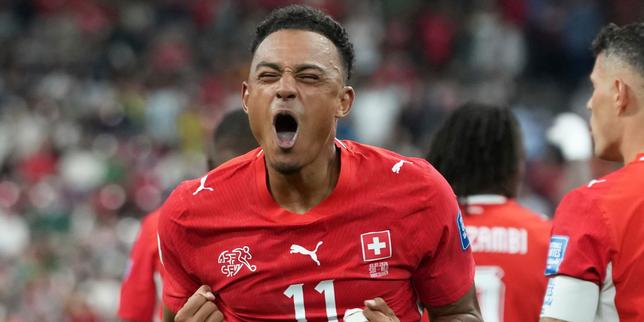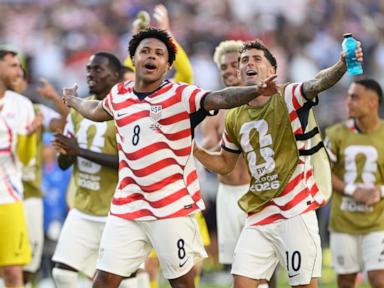
Picture a packed stadium in Santa Clara, California. The US Men's National Team just gutted out a brutal, short-handed 2-0 win over Bosnia-Herzegovina to march into the World Cup round of 16. The whistle blows, the tension evaporates, and suddenly, the loudspeaker blasts a 1971 folk-pop track about Appalachian ridges.
Tens of thousands of fans start screaming every word. Midfielder Weston McKennie is leading laps around the grass, swinging his arms like a madman. Sebastian Berhalter is singing at the top of his lungs. Even the head coach, Mauricio Pochettino—an Argentine who spent his life in South America and Europe—is right in the thick of it, hugging his staff and belting out lines about West Virginia. Meanwhile, you can explore similar events here: Cristiano Ronaldo Leadership Shift Is Exactly What Portugal Needs To Win This World Cup.
Soccer traditionalists might find it weird. Some might want a modern hip-hop track or a pounding techno beat to celebrate a massive soccer victory. Instead, the soundtrack of the biggest summer in American soccer history belongs to John Denver.
"Take Me Home, Country Roads" has transformed into the unofficial anthem of this American World Cup run. It isn't just a catchy tune to play while people file out of the parking lot. It's the exact moment where the fractured, often cynical American soccer community finally found its collective voice. To understand the full picture, we recommend the excellent article by FOX Sports.
The Sudden Rise of Country Roads at the 2026 World Cup
This whole phenomenon didn't happen by accident, but it wasn't exactly organic either. FIFA tournament directors actually added the track to the postgame stadium playlist options before the tournament started. They wanted something that could bridge the gap between a casual American sports crowd and the die-hard soccer culture.
The experiment debuted in Seattle during the group stage. The U.S. had just handled Australia in a clean 2-0 victory. When the first acoustic strums echoed through the stadium, the response was instantaneous. The players didn't walk off to the locker room. They stayed on the pitch, locked eyes with their families in the stands, and sang along with 60,000 people.
McKennie admitted after the match that you could instantly feel the connection change. It wasn't just a crowd watching a game anymore. It became a shared experience.
It didn't work perfectly everywhere. When the U.S. dropped a frustrating, late match to Turkey at Los Angeles Stadium, the song played to a largely quiet, deflated crowd. But when the stakes escalated in the knockout rounds against Bosnia, the ritual returned with a vengeance. Playing down a man after a costly red card, the Americans fought through pure exhaustion. When the final whistle blew, the emotional release inside the stadium required something communal. Denver’s track provided exactly that.
How a Song About Maryland Conquered American Soccer
The irony of the USMNT using this specific track to define their American identity is that the song itself is built on a massive geographical lie.
Bill Danoff and Taffy Nivert wrote the bulk of the song in 1970. They weren't driving through the Blue Ridge Mountains or looking at the Shenandoah River when the inspiration struck. They were actually driving down Clopper Road in Maryland on their way to a family reunion in Gaithersburg. Danoff was simply passing the time by thinking about the winding, narrow country roads he grew up driving around New England.
At the time, Danoff had barely even set foot in West Virginia. He just liked the way the words sounded. He grew up listening to country music broadcast out of a station in Wheeling, West Virginia, and the state always represented a sort of mythic, idealized version of home in his mind.
The couple originally planned to pitch the song to country legend Johnny Cash. But when they played an incomplete version for their friend John Denver in a Washington, D.C. apartment, Denver knew it was a hit. He helped them finish the bridge, recorded it, and watched it become his definitive masterpiece.
The John Denver estate recently commented on the song's massive revival during this World Cup tournament. They pointed out that the track works so well in a massive stadium because its message completely transcends borders. The phrase "take me home to the place I belong" doesn't actually require you to be from the hills of Appalachia. It hits a universal human nerve about longing, comfort, and community.
The Global Sports Dominance of John Denver
If you think the American soccer team is unique for singing this song, you haven't been paying attention to global sports culture over the last few decades.
West Virginia University sports teams have used the song as their ultimate postgame tradition since 1972. It’s hardwired into the DNA of Morgantown. But the track managed to travel far beyond American borders long before FIFA got ahold of it.
Step into an Oktoberfest tent in Munich, Germany, and you will hear thousands of locals screaming the chorus while slamming beer steins together. When the NFL started playing regular-season games in Munich back in 2022, the stadium DJ played the song during a break. The result was a chilling, stadium-wide singalong that stunned the American television broadcasters.
In England, Manchester United supporters spent years using a modified version of the track to serenade their home ground, swapping out the lyrics to praise Old Trafford stadium.
While the Americans have fully claimed Denver for this tournament, they aren't the only ones relying on classic pop anthems to fuel their tournament ambitions. The England national team has spent their current tournament run singing Oasis' "Wonderwall" after their matches. Soccer teams are realizing that modern pop tracks don't build the same emotional resonance as timeless classics that three generations of fans know by heart.
What the Singalong Tells Us About This USMNT Squad
Soccer in the United States has always suffered from an identity crisis. The team often struggles to capture the attention of the broader American sports public, competing against the massive shadows of the NFL, NBA, and Major League Baseball. For years, fans tried to copy European styles, chanting manufactured phrases that felt hollow in American stadiums.
This tournament changed the dynamic. By embracing a piece of classic Americana, the fans and the players stopped trying to imitate global soccer cultures and leaned into something completely domestic.
Look at the roster executing this run. You have players like McKennie, Christian Pulisic, and Timothy Weah who spent massive chunks of their adult lives playing in Germany, Italy, England, and France. They are global citizens who live out of suitcases for most of the year. When they put on the national team jersey and sing about country roads taking them home, it carries actual weight.
Even Danoff noted how emotional the moment has become. Watching the U.S. team fight through a red card to secure a win against Bosnia made him wish John Denver was still alive to see it. Denver loved high-energy, passionate human moments, and a stadium full of soccer fans screaming his words would have been exactly his style.
How to Lean Into the USMNT Momentum
If you're following this tournament run and want to actually feel part of the culture building around the team, sitting quietly on your couch isn't going to cut it.
- Find an active local American Outlaws chapter. Watching these matches in a crowded pub filled with people who know the chants makes a massive difference compared to watching alone.
- Stay in your seat when the final whistle blows. If the U.S. wins their next knockout match, do not turn off the television or sprint to the parking lot. Wait for the stadium audio to kick in and watch the team interact with the crowd during the song.
- Ditch the manufactured chants. The best sports traditions are the ones that happen naturally because people simply like the feeling of singing together. Lean into the folk anthems.
The U.S. team is heading deeper into the tournament than most critics expected. They are doing it with an aggressive, gritty style of play that matches the energy of the crowds backing them. Whether they lift a trophy at the end of the summer or bow out in the coming rounds, they have already built the defining memory of this tournament cycle. It’s loud, it’s unpretentious, and it sounds exactly like John Denver.