White House press access has officially turned into a partisan brawl. When the administration blocked reporters from outlets like CNN, Politico, and MS NOW from entering the grounds, it triggered an immediate constitutional firestorm. Everyone is screaming about the First Amendment.
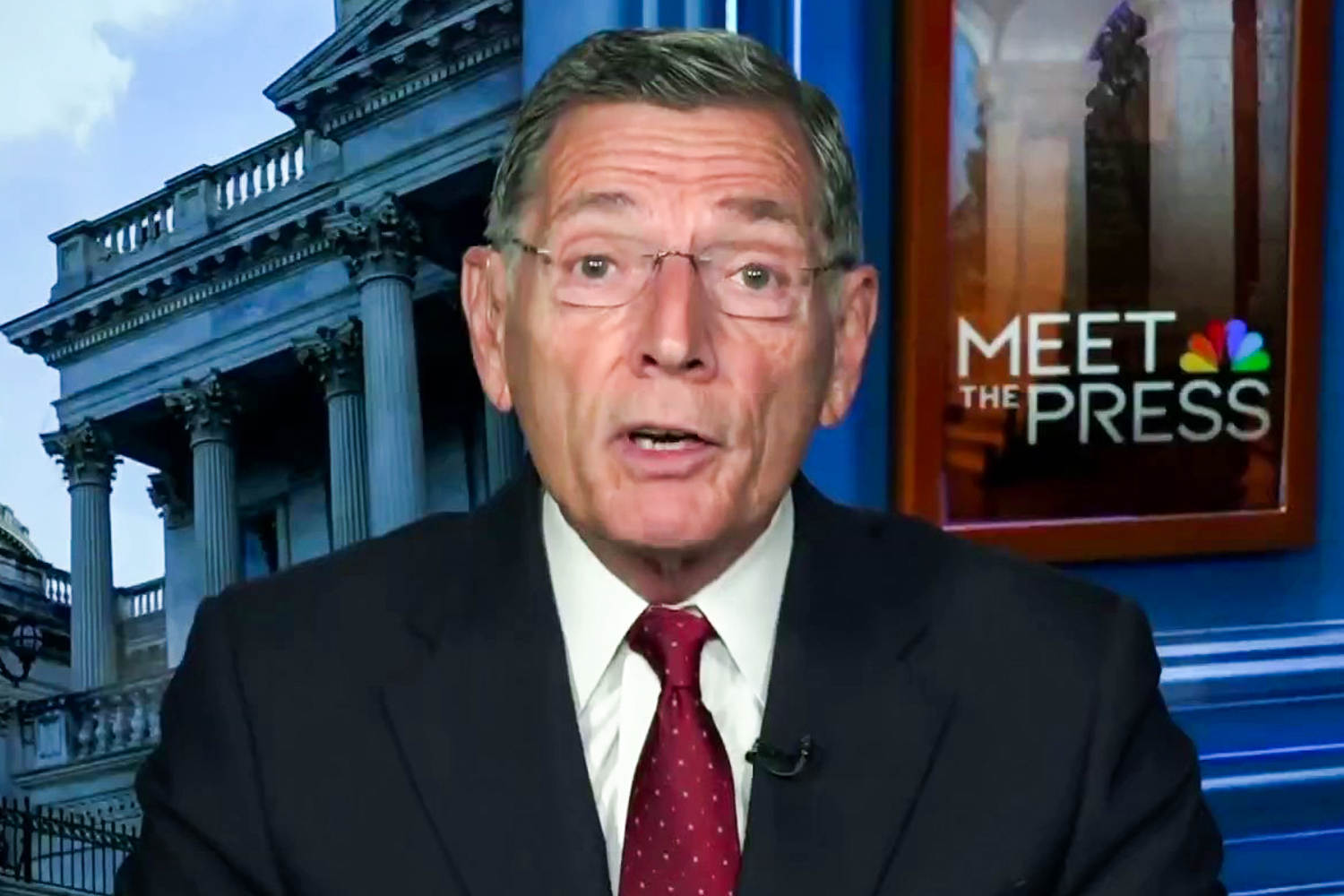
Enter Senate Majority Whip John Barrasso.
Appearing on television, the Wyoming Republican looked at the controversy and shrugged. He flat-out rejected claims that Donald Trump is breaking the law or violating the Constitution. His defense? The media brought it on themselves because they have an obligation to report fairly.
That defense opens up a massive can of worms about executive power, free speech, and what access to government actually means. Let's look at why this fight matters right now.
The Legal Reality of White House Press Passes
Constitutional scholars are deeply divided on this, but the White House holds a massive amount of leverage. Past court rulings have established that the government can't arbitrarily revoke press credentials to punish viewpoints. Yet, physical space inside the executive mansion is limited. Administrations have always claimed broad discretion over who gets a hard pass.
Barrasso leans heavily into this gray area. He argues that restricting specific organizations isn't an outright ban on free speech. After all, reporters can still write whatever they want from outside the fence.
Is that a sound legal argument, or just a clever dodge?
Legal experts point out a dangerous slippery slope. If a president can bar newsrooms simply for being critical, access becomes a reward system for favorable coverage. Barrasso doesn't see it that way. In his view, the press lost its privilege by crossing a line into unfairness.
Shifting the Blame to the Media
Blaming the media is a well-worn political playbook. It works incredibly well with a base that already distrusts mainstream journalism.
When pressed on whether blocking reporters crosses a constitutional line, Barrasso pivoted instantly to press ethics. He argued that news organizations need to look in the mirror. By shifting the conversation from presidential authority to journalistic bias, supporters of the ban change the subject entirely.
You don't have to defend an authoritarian-style crackdown if you frame it as routine accountability for bad actors. That is the core strategy here. Trump officials call critical outlets treasonous, and congressional allies like Barrasso back them up by questioning their professional integrity.
What Happens When Access Becomes a Weapon
Shutting newsrooms out of the White House briefing room changes how information flows to the public. It curtails spontaneous questioning. It limits the ability of journalists to demand immediate clarification on unfolding policies.
When certain outlets are locked out, the administration handpicks who gets to ask the tough questions. Friendly microphones get preference. Hostile questions get frozen out.
Barrasso brushing this off as a non-issue signals to the executive branch that they have a blank check from Capitol Hill. Senate leadership isn't going to step in. They are lining up behind the decision.
Where This Fight Goes Next
This isn't just about a few revoked badges. It sets a terrifying precedent for future administrations of any political party. Once white house access is treated like a club membership that can be revoked for bad behavior, the norm is broken permanently.
Don't expect the administration to back down. And don't expect defenders like Barrasso to change their tune. They have decided that aggressive media management is a feature, not a bug, of modern governance.
Keep an eye on the courts. Lawsuits are already flying, and judges will ultimately have to decide where executive property rights end and First Amendment protections begin. Until then, the press briefing room remains ground zero for a war over who gets to define the truth.