A presidential pardon comes up when somebody is facing federal charges or a real threat of prosecution. Right now, Jensen Huang isn't facing either.
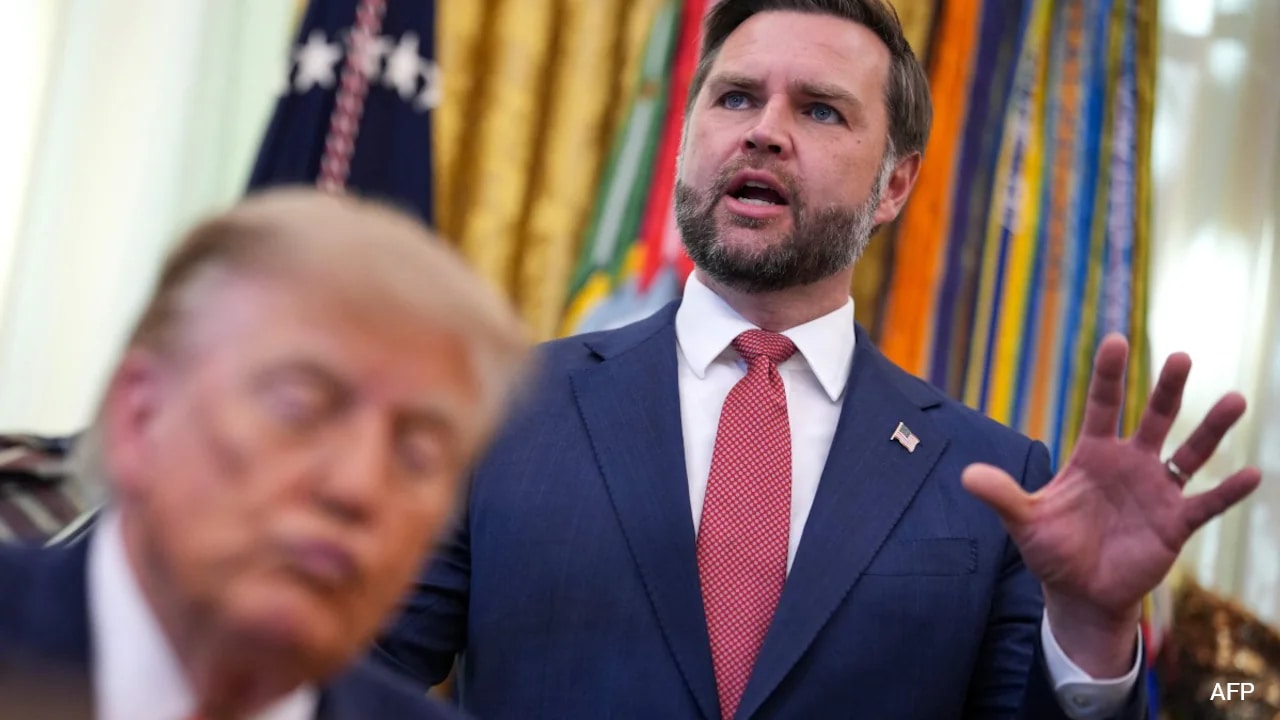
Vice President JD Vance told reporters that Justice Department officials and multiple figures across the national security apparatus confirmed Huang is under no investigation. Speaking after a Thanksgiving Eve meal with military personnel at Wright-Patterson Air Force Base in Ohio, Vance brushed off talk of clemency. He said he hasn't seen evidence that Huang committed a crime, adding that if evidence ever turns up, prosecutors are the ones to bring a case.
That pushback followed President Donald Trump telling the New York Post that a pardon is "always an option," while saying he didn't think one would be necessary and urging Huang not to plead the Fifth before lawmakers. Honestly, the gap between those two comments tells you everything about how messy this story has become. You don't casually mention pardons and the Fifth Amendment in the same breath unless Washington is already treating a boardroom and national security soap opera like a courtroom drama.
How Jensen Huang Went From Ouster to Reinstatement in Eleven Days
If you blinked in mid-November, you missed one of the wildest corporate reversals in recent tech history. Huang resigned as Nvidia's president, CEO, and director on November 12 after acknowledging extramarital affairs, including scrutiny over a relationship with Alice Huang, a businesswoman linked in reports to Megaspeed and suspected by U.S. officials of ties to Chinese intelligence.
For a few days, the exit looked permanent. CFO Colette Kress stepped in as interim CEO, and on November 17, board chair Harvey Jones said on an earnings call that the board didn't intend to bring Huang back. Kress echoed that on CNBC the same day.
Then the pressure from Washington kicked in. Trump publicly argued Huang deserved a second chance, even dialing into a Sunday board meeting to push for his return, while Vance, Commerce Secretary Howard Lutnick, and Treasury Secretary Scott Bessent were among officials who weighed in with the board. By November 23, Nvidia's board voted unanimously to reinstate Huang effective immediately, stating that input from senior U.S. government officials gave the board confidence his return posed no national security risk.
"I don't think he needs a pardon at all. I haven't seen any evidence again that he committed a crime." — Vice President JD Vance, speaking to reporters in Ohio
That explanation leaves plenty of skeptics unconvinced. Bringing back a CEO 11 days after an ouster over a foreign-influence scandal doesn't just erase the headlines—it turns the board itself into a target. Governance critics have questioned board independence when a company reverses course so fast under political lobbying, and lawmakers across party lines have demanded to know what "input" senior officials actually gave.
What Investigators Are Actually Looking At Right Now
Here's the catch that gets lost when people argue over whether a pardon is on the table. Even without a formal Justice Department criminal probe into Huang personally, scrutiny around Nvidia and its dealings is piling up from multiple directions.
Export Controls, Megaspeed, and Chip Diversion Claims
Lawmakers aren't just asking about personal conduct. They're pressing on whether advanced Nvidia AI chips were diverted to China—potentially for military use—and how export restrictions were enforced.
Investigations and political scrutiny have touched on Megaspeed, a Singapore-based data center firm connected to Alice Huang. Megaspeed has denied wrongdoing and stated that Alice Huang left the company in August 2025, while Beijing has denied allegations that she acted as a spy. Meanwhile, U.S. intelligence assessments reported no evidence that Beijing directed her to spy on Jensen Huang, though Singapore barred her from returning after citing false declarations in an earlier probe and revoked her passport return alongside other restrictions, and Taiwan revoked her entry permit.
On the policy side, the Commerce Department's Bureau of Industry and Security rolled out tighter rules in mid-November targeting remote access to advanced chips through overseas data centers and adding licensing requirements for advanced chip exports to countries including Singapore, Malaysia, Thailand, Indonesia, and Brazil. That kind of regulatory tightening doesn't happen in a vacuum.
Congressional Hearings and State and SEC Probes
Congress isn't waiting around. Three House committees—Foreign Affairs, Intelligence, and the Select Committee on China—scheduled closed-door transcribed interviews with Huang for December 1 and with Nvidia general counsel Tim Teter for December 2. After that, Huang is slated to appear at a public Senate Banking Committee hearing on December 3 focused on export controls and protecting America's AI advantage.
Outside Capitol Hill, reporting indicates the Securities and Exchange Commission has been examining potential accounting issues at Nvidia, and the California Department of Justice has sought information on whether advanced chips or confidential information reached China and whether Nvidia misled investors or the public. Incoming House Democratic leadership has also signaled plans for broad oversight into both Nvidia and Commerce Secretary Howard Lutnick once the new Congress takes over.
Why Politics and Markets Are Colliding Over Nvidia
If you watch markets, you know how twitchy Nvidia shares have been through this whole mess. The stock had already been down sharply on the year amid broader tech volatility and export-control anxiety, dipped when the scandal broke, and jumped after Huang's reinstatement.
That creates a weird conflict of optics. Trump has personally championed Huang's comeback and even floated the idea of a government stake in Nvidia—similar to the federal stake taken in Intel—while analysts and media reports have pointed out that Trump's own Nvidia holdings stood to gain millions on paper from a share bounce.
In my view, that's why Vance's reassurance works only up to a point. A lack of a criminal charge today isn't the same thing as a clean bill of health for corporate governance or export compliance. Companies get into trouble all the time not over a single dramatic indictment, but over sloppy oversight, third-party workarounds, and political whiplash that makes institutional investors nervous.
Practical Next Steps If You Follow or Invest in This Space
If you're tracking this story as an investor, analyst, or tech operator, don't rely on soundbites from either side. Focus on what actually moves facts forward:
- Watch the December 1–3 congressional calendar: Pay close attention to what leaks or gets released from the House panels and what comes out of the public Senate Banking hearing on December 3.
- Separate personal scandal from export compliance: Track concrete regulatory actions from the Commerce Department, the SEC, and state attorneys general rather than assuming a CEO's return settles legal or compliance questions.
- Check Nvidia's internal compliance moves: Look for concrete details on the chief compliance officer search and the scope of the board's ongoing internal review, since weak controls are a real operational risk regardless of Washington rhetoric.
- Stress-test AI hardware exposure: If your business or portfolio leans heavily on a single chipmaker or cross-border compute supply chain, map out how tighter licensing rules in Southeast Asia and overseas data centers could shift delivery timelines or costs.