Tokyo is quietly dropping its decades-old security hesitation. If you look past the diplomatic pleasantries, Japan's defense posture has undergone a massive transformation, shifting from a strictly pacifist stance to an active, long-range deterrence model. Critics call it a dangerous escalation; policymakers in Tokyo call it a necessary reality check.
Regional flashpoints like the Taiwan Strait, persistent maritime intrusions near the Senkaku Islands, and North Korea's ongoing missile tests have pushed Japan into a corner. The post-World War II pacifist framework is running head-first into a brutal geopolitical climate, and the resulting strategy overhaul is changing the balance of power in Asia.
The Real Shift Behind the Headlines
For decades, Article 9 of Japan's constitution kept its military forces on a tight leash, strictly limited to home defense. That restraint is fading. Tokyo is actively acquiring and deploying standoff missiles capable of striking adversary bases from hundreds of kilometers away.
When a government starts investing heavily in counter-strike capabilities, the strategic math changes entirely. This isn't just about buying hardware. It's about moving away from absorbing a first strike to possessing the capability to deter one before it launches.
The friction with Beijing is palpable. Chinese military analysts and state media frequently accuse Tokyo of abandoning its peaceful development path. Meanwhile, regional neighbors watch nervously as Japanese defense spending climbs upward, crossing traditional political thresholds that once seemed untouchable.
Why Analysts Worry About Escalation
The core argument against Japan's accelerated defense buildup is simple: the security dilemma. When one nation arms itself to feel secure, it inevitably makes its rivals feel insecure.
Regional watchers point to several critical pressure points:
- The deployment of advanced anti-ship and long-range cruise missiles closer to the southwestern islands, putting critical regional sea lanes and neighboring coastlines within direct range.
- Joint military exercises and deeper strategic alignment with outside powers, which Beijing views as an attempt to encircle China.
- Loosened arms export restrictions, allowing Japanese defense contractors to co-develop next-generation hardware and sell lethal military equipment abroad.
Critics argue these moves narrow the diplomatic off-ramps. If every maritime dispute or air-space intercept is met with a rapid military upgrade and counter-threat posture, minor friction can quickly spiral into a full-scale crisis.
The Domestic Hurdles Tokyo Faces
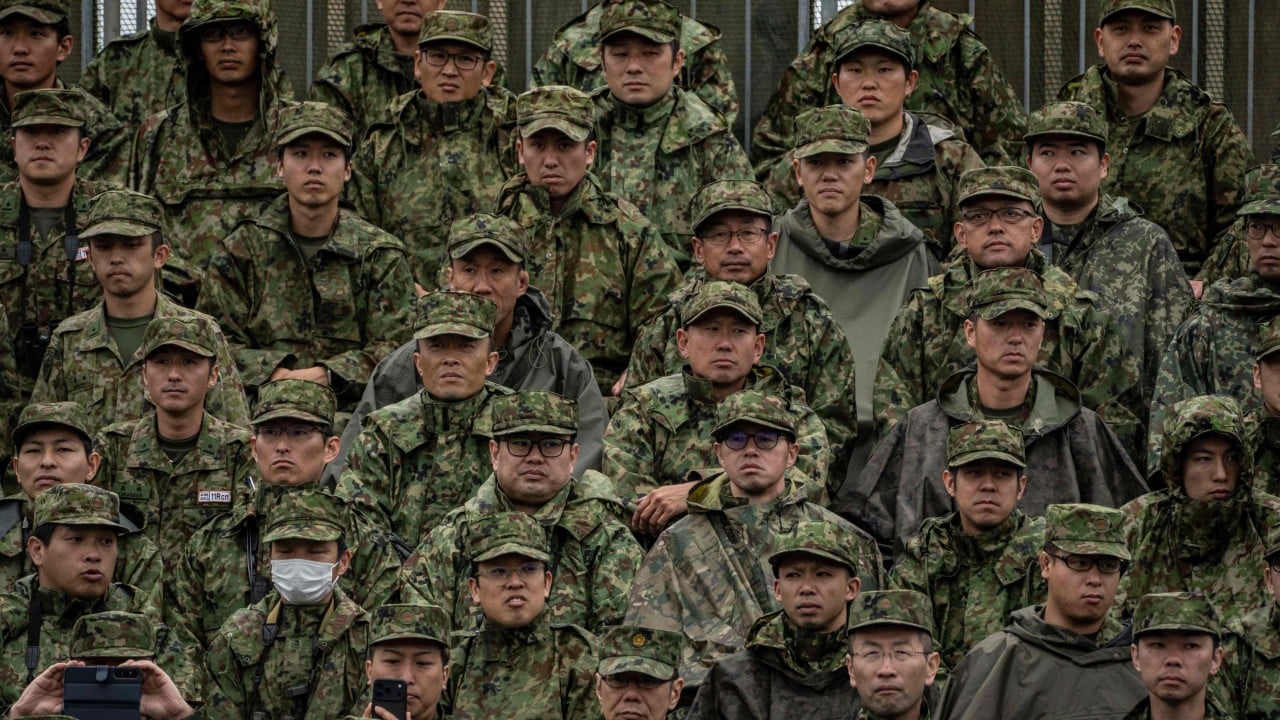
It's easy to look at defense budgets and assume total domestic backing, but reality is messier. Japan's population is aging and shrinking rapidly, creating a severe manpower shortage inside the Self-Defense Forces. You can build advanced hardware, but you need people to operate it.
To bypass this bottleneck, Tokyo is pouring billions into unmanned systems, autonomous drones, and artificial intelligence-driven surveillance. At the same time, public opinion remains deeply divided. While many citizens accept the need for stronger deterrence against rising external threats, public protests routinely break out against military expansion. People worry that normalizing offensive capabilities strips away the constitutional safety net that kept the country out of foreign conflicts for nearly eighty years.
Where This Leaves the Indo-Pacific
The transformation of Japan's security strategy is no longer a theoretical debate—it's happening in real-time budgets, island troop deployments, and missile acquisitions. Whether this strategy deters conflict or accelerates an arms race depends entirely on how effectively regional diplomacy can manage the friction.
Right now, deterrence is winning over dialogue. As Tokyo solidifies its new defense posture, the margin for error in the Indo-Pacific shrinks by the day.