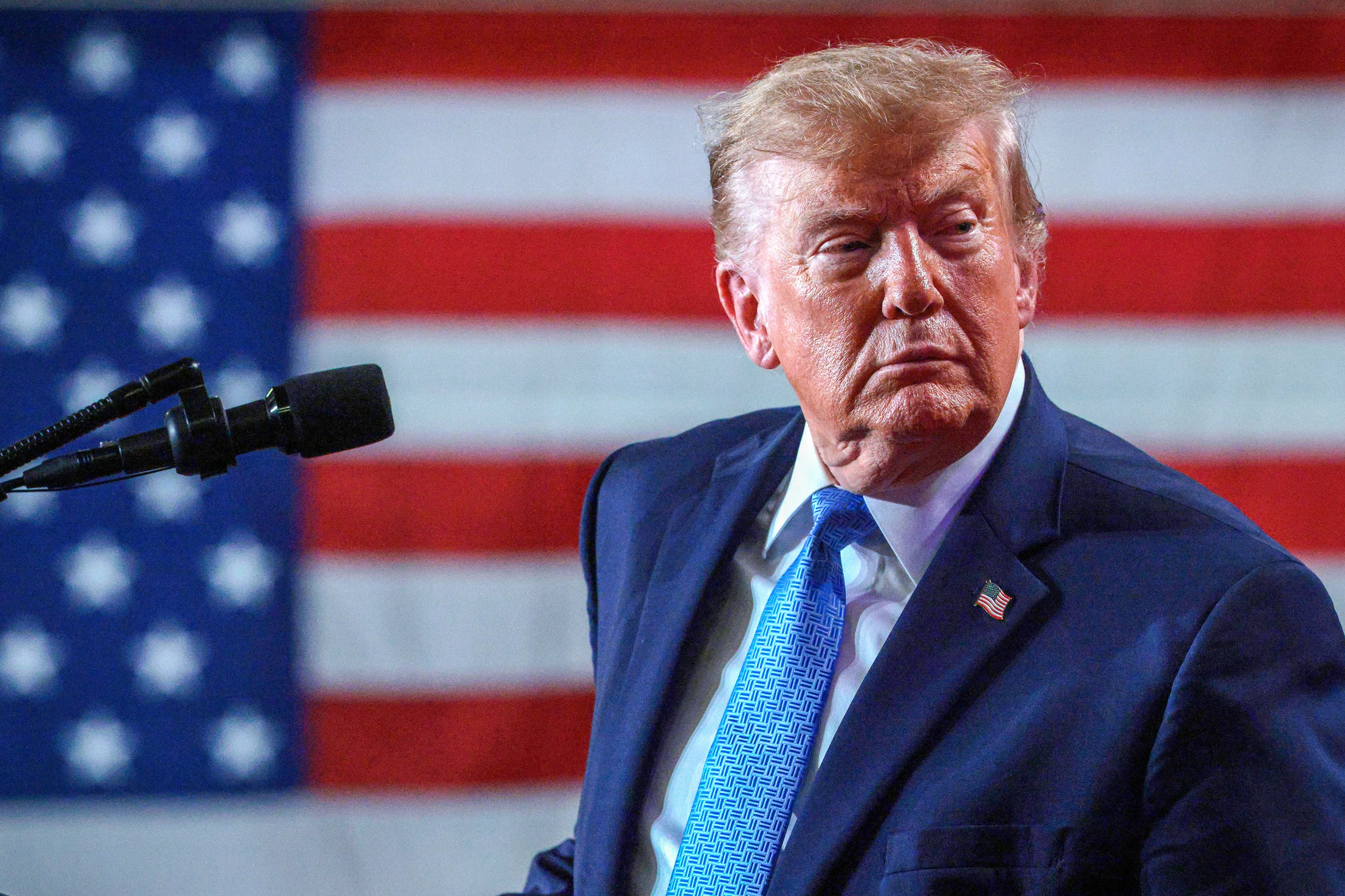
Tensions between Washington and Mexico City are flaring up again over immigration. U.S. President Donald Trump recently threatened to double tariffs on Mexican goods, claiming that large groups of migrants are marching north unchecked. Mexican President Claudia Sheinbaum isn't buying the narrative. She fired back during her morning press conference, stating bluntly that zero migrant caravans have successfully reached the U.S. northern border since the current U.S. presidential term began in January 2025.
If you look at the actual mechanics of what's happening on the ground across southern Mexico, the reality is far more nuanced than social media outrage suggests. Let's break down why these high-stakes diplomatic clashes keep happening and what's really going on with migrant movements right now.
The Reality Behind the Current Migrant Caravans
Trump took to social media to warn that "huge caravans are forming and beginning their illegal march through Mexico," demanding immediate action under threat of severe economic penalties. But Sheinbaum's administration counters that these groups are heavily managed long before they ever get close to Texas, Arizona, or California.
Take the recent groups tracked by Mexican authorities. One caravan formed in Arriaga, Chiapas, starting with roughly 500 to 600 people. Within days, relentless attrition kicked in, leaving fewer than 100 individuals still traveling. Another group originating from Honduras faced similar containment.
Instead of deploying heavy-handed military force to smash these groups—a tactic Sheinbaum explicitly rules out—Mexican officials rely on direct communication. Teams inform migrants about the harsh physical realities of the journey and the absolute certainty that entry into the United States will be blocked. Faced with these facts, the vast majority of travelers choose to accept humanitarian assistance or take a safe voluntary return to their home countries.
Why Tariffs and Trade Leverage Drive the Rhetoric
This border dispute isn't just about immigration enforcement. It is deeply tied to ongoing trade negotiations and the review of the United States-Mexico-Canada Agreement (USMCA).
Washington wants absolute compliance and zero migrant flow. Meanwhile, Mexico is pushing hard to reduce existing U.S. duties on products not fully covered by the trade pact. These include 10% tariffs on general goods, heavy-duty trucks, sharp duties on steel and aluminum, and ongoing disputes over Mexican tomatoes.
When economic penalties get weaponized over border security, politics take center stage. Trump's administration relies on hard-line figures like White House chief of staff Stephen Miller to keep pressure high. Sheinbaum responds by highlighting practical statistics, showing that Mexico's containment strategy works without triggering full-scale humanitarian crises on the border line.
What to Expect Next as Negotiations Continue
The back-and-forth between Trump and Sheinbaum highlights how fragile cross-border cooperation remains. Threats of doubled tariffs grab headlines, but the day-to-day enforcement paints a picture of a Mexican government actively managing migration waves hundreds of miles away from American checkpoints.
Caravans will likely continue to form as long as economic and political instability plagues Central and South America. Yet, Sheinbaum's strategy of intercepting groups early, offering assisted returns, and keeping the northern border clear has fundamentally shifted how southern transit operates. Expect trade talks and tariff threats to remain the primary leverage tools as both nations navigate an uneasy partnership.