Forty years ago, a cloud of radioactive fallout drifted across Europe and scared Italy out of the atomic energy business for good. Voters shut down the nation's reactors in a 1987 referendum. They slammed the door shut again in 2011 after Fukushima.
Now, Premier Giorgia Meloni's administration is trying to flip the script.
The government wants to bring atoms back to the Italian energy grid. It's a massive policy shift driven by a stark reality check over energy security, climate targets, and global supply shocks from wars in Ukraine and the Middle East. But the real engine behind this push isn't just political ambition. It's a fundamental generational split on how Italians view the word "nuclear."
The Ghost of 1986 Versus the Climate Anxiety of Today
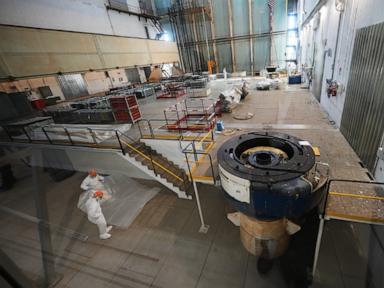
Walk around the sprawling Latina nuclear power plant south of Rome, and you'll witness a surreal contradiction. Workers in protective suits spend their days dismantling the ghosts of Italy's first atomic era. Meanwhile, politicians miles away argue about building a brand-new one.
Viviana Cruciani oversees nuclear decommissioning at Latina for the state-owned company Sogin. She watches this psychological tug-of-war daily.
Older Italians who lived through Chernobyl still view atomic energy strictly through the lens of catastrophe. They remember tracking milk contamination levels and canceling outdoor events. To them, nuclear power equals disaster.
Younger Italians see things differently. They grew up facing climate change rather than Cold War nuclear scares. A June 2026 survey by research firm Only Numbers revealed that roughly 55% of Italians now back next-generation nuclear tech. Younger citizens associate the technology with progress and carbon-free electricity, not meltdown memories.
Small Reactors and Big Hurdles
Rome isn't trying to rebuild the massive, expensive monoliths of the past. The strategy relies heavily on small modular reactors, known as SMRs.
Advocates point out that these newer designs are compact, quicker to construct, and theoretically safer than older models. Minister for the Environment and Energy Security Gilberto Pichetto Fratin argues that the country needs a legal framework to make these choices possible. Parliament is moving to set up those rules, creating a 12-month window to hammer out licensing, safety codes, and waste management protocols.
Yet, enthusiasm in Rome doesn't translate easily to the provinces.
Critics point out massive financial and logistical roadblocks. Industry estimates show that a single 300-megawatt SMR can easily run between three billion and six billion euros before factoring in grid upgrades. Skeptics like environmental analyst Gianni Governatori argue that current European nuclear projects suffer from exorbitant price tags that won't lower utility bills anytime soon.
The Backyard Problem
Then there is the waste issue. Italy still lacks a permanent national repository for its legacy radioactive waste, which sits scattered across temporary sites.
Ask everyday citizens if they support nuclear power in the abstract, and numbers look favorable. Ask them if they want a reactor or a waste storage site built in their own local municipality, and the numbers flip overnight. Polls indicate that roughly six out of ten Italians will fight tooth and nail against having a facility in their backyard.
Left-wing parties and environmental coalitions are already sharpening their knives. If the government pins down exact locations for new plants or waste depots, opponents promise to force yet another national referendum.
Italy wants a cleaner, more independent energy future. But breaking forty years of political trauma requires more than passing legislation in Rome. It requires convincing local communities that the risks belong entirely in the past.