The Middle East crossed a terrifying threshold when Israeli jets bypassed years of diplomatic warnings to strike Iran's core nuclear facilities. This wasn't another proxy skirmish or a calibrated warning shot. It was a direct, massive aerial assault on Natanz, Fordo, and Isfahan, instantly tearing open a brand-new chapter of open regional warfare.
When you look past the political posturing, the operational scale of the initial strike reveals a chilling reality. Israel used roughly 200 aircraft alongside pre-positioned assets inside Iranian territory to dismantle air defense networks before anyone in Tehran could blink. Natanz sustained severe damage, and key military leaders were killed. Iran didn't wait around to absorb the blow without a response. Tehran fired waves of ballistic missiles and drones toward Jerusalem and Tel Aviv, shattering the night sky, killing three people, and wounding dozens more.
The Anatomy of the Strike
Israel's operation had been months in the making, quietly plotted since late last year and deliberately timed amid shifting geopolitical winds. Mossad operatives reportedly smuggled explosive drones and precision hardware right into Iran ahead of time, using them to blind local radar installations and surface-to-air missile batteries near the capital.
The primary target was Iran's main uranium enrichment plant at Natanz. According to International Atomic Energy Agency chief Rafael Grossi, the above-ground section was practically flattened, destroying critical electrical infrastructure, backup generators, and spaces housing near weapons-grade uranium. While the deep underground centrifuge halls might have survived the kinetic blasts directly, cutting off their external power supply creates massive structural and operational hazards.
Tehran's military leadership absorbed catastrophic losses right at the outset. Top generals overseeing the entire armed forces, the Islamic Revolutionary Guard Corps, and the ballistic missile division were killed in the opening hours. Losing that level of command experience all at once creates immediate chaos in any military hierarchy.
Why Iran Had to Retaliate Immediately
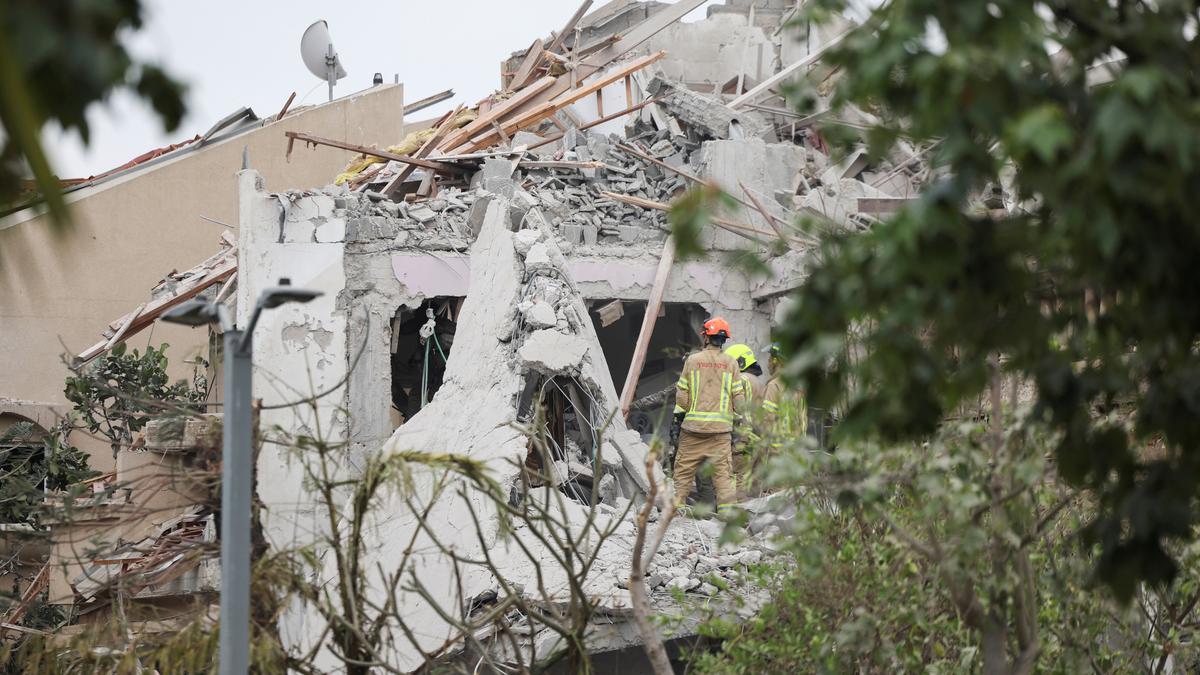
In military strategy, doing nothing after a direct attack on sovereign soil spells total deterrence failure. Iran launched massive waves of drones followed by heavy ballistic missiles to prove it could still pierce Israeli airspace. Explosions rocked Tel Aviv and Rishon Lezion, damaging residential buildings, starting fires near Mehrabad International Airport, and forcing millions of civilians into bomb shelters.
Yet, Iran's response also highlighted its severe limitations. U.S. regional air defense systems, alongside Israeli capabilities, intercepted a significant portion of the incoming barrage before it could cause absolute devastation. Still, the psychological impact on an already war-weary public was immense, pushing regional airspaces to temporary closures and disrupting major international flight corridors.
The Diplomatic Fallout and Future Outlook
Diplomacy took a direct hit alongside the nuclear facilities. Scheduled atomic talks between Washington and Tehran in Oman were instantly cast into doubt. Iranian foreign ministry spokesmen declared future discussions "meaningless," arguing that Washington enabled the aggressive acts by backing Israel's intelligence and defense posture.
Meanwhile, political pressure is mounting from all sides. World leaders are screaming for maximum restraint to prevent a full-scale conflagration, while leaders like Donald Trump publicly warn Tehran to reach a sweeping deal before nothing is left of its economy or infrastructure.
The illusion of a "shadow war" between Israel and Iran is officially dead. Both nations are now trading direct, heavy-metal blows with global repercussions. If you're tracking where the next major global economic or security shock will originate, keep your eyes fixed right here. The fallout from these strikes will dictate international energy markets, military doctrines, and geopolitical alliances for years to come.