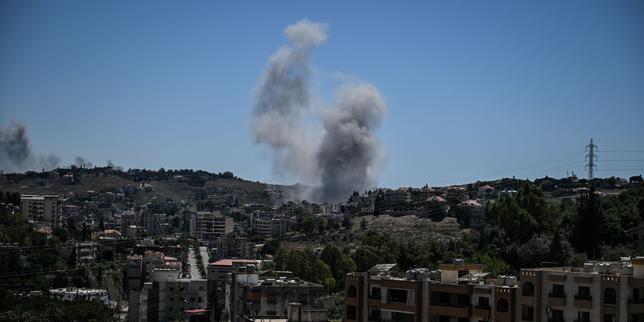
Paper agreements don't stop missiles. We've seen this script play out too many times in the Middle East, and the latest diplomatic breakthrough between Israel and Hezbollah follows the exact same fragile pattern. Everyone wants to believe a truce means peace. It doesn't.
When international mediators celebrate a deal, they're usually looking at the immediate political optics. On the ground in southern Lebanon and northern Israel, the reality looks entirely different. Rockets might pause, but the underlying triggers remain completely untouched. This isn't a permanent resolution. It's an intermission.
To understand why this truce feels so shaky from day one, you have to look past the official press releases. You need to see who actually gains from a temporary halt, who loses, and why neither side intends to honor these terms long-term.
The Illusion of Enforcement on the Ground
Diplomats love talking about international enforcement mechanisms. They point to past UN resolutions like Resolution 1701 as if text on a page has magical peacekeeping powers. It doesn't work that way in the real world.
The United Nations Interim Force in Lebanon, known as UNIFIL, has been stationed in the south for decades. They're supposed to ensure that no armed groups besides the Lebanese army operate near the Israeli border. Yet, everyone knows Hezbollah built a massive network of tunnels and launch sites right under their noses. Expecting the Lebanese Armed Forces to suddenly step up and disarm a heavily backed militia is a fantasy. The national army lacks the political will, the heavy weaponry, and the mandate to pick a civil war with their own country's most powerful military force.
When an agreement dictates that Hezbollah must withdraw north of the Litani River, you have to ask a practical question. How do you verify that? Hezbollah fighters don't always wear uniforms. They live in these southern villages. They own the land. They are embedded in the local population. A fighter doesn't disappear just because a document says he should. He simply puts away his weapon, blends into his community, and waits for the next order.
Israel knows this perfectly well. Their intelligence services watch these movements constantly. Because of that, Israeli leadership rarely trusts foreign guarantors to police their borders. The moment Israeli drones spot what they consider a violation, they strike. That immediate retaliation shatters the truce instantly, starting the cycle all over again.
Why Both Sides Needed a Breathing Room
Neither side signed this agreement out of a sudden desire for harmony. They did it because they ran into logistical and political walls.
Israel faces immense internal strain. Running a multi-front war for months stretches an economy to its limits. Reservists need to go back to their regular jobs. Families want to return to their homes in the north, where empty towns have turned into ghost zones. The military needs time to refit armor, replenish iron dome interceptors, and digest the intelligence gathered during active combat operations. Taking a break allows command structures to reset.
Hezbollah needed a pause just as badly. Their leadership structure took heavy blows, and their supply lines from Syria faced relentless bombardment. A ceasefire gives them a chance to regroup. They can reorganize their command chains, smuggle in fresh supplies, and assess their remaining arsenal. For them, survival is victory. If they are still standing and capable of firing a rocket when the smoke clears, they win in the eyes of their supporters.
This creates a fundamental conflict of interest. Both parties are using the diplomatic pause to prepare for the exact same thing, which is the next round of fighting. They aren't building a framework for coexistence. They're fixing their equipment.
The Invisible Hand of External Powers
You can't analyze this conflict by only looking at Beirut and Tel Aviv. The strings are pulled much further away.
Tehran views Hezbollah as its primary deterrent against a direct strike on its own soil. The geopolitical strategy relies on keeping Israel distracted and bleeding on its northern border. Iran won't allow its most valuable proxy to be genuinely dismantled or permanently sidelined by a diplomatic deal. Whenever Iranian weapons supply lines reopen through Iraq and Syria, the pressure to resume operations will build.
On the flip side, Washington pushes hard for these deals to prevent a wider regional conflict that could drag American forces into a shooting war. US diplomats spend months flying back and forth, offering security guarantees and economic aid packages to sweeten the deal. But these promises often lack teeth when the shooting starts again. A security guarantee doesn't stop a drone attack in real-time.
Local actors always prioritize their own immediate survival over the global strategic desires of their superpowers. If Hezbollah feels its position in Lebanon is slipping, it will provoke an external crisis to rally people around its banner. If an Israeli government faces slipping poll numbers at home, a tough stance against cross-border threats becomes an easy political win.
What Happens When the Truce Snaps
When this ceasefire breaks, it won't happen with a massive, coordinated invasion. It starts small.
Maybe a local commander fires a single mortar shell out of frustration or miscommunication. Maybe an Israeli reconnaissance drone flies too low, and a local cell tries to bring it down. The media calls these incidents violations, but they are inevitable friction points when two hostile armies sit yards apart.
The real danger is the escalation ladder. No leader wants to look weak to their domestic audience. If Israel ignores a small cross-border raid, the public accuses the government of abandoning security. If Hezbollah doesn't respond to an Israeli airstrike, they lose face among their militant base. Each side feels forced to hit back slightly harder than they were hit.
Within forty-eight hours, a minor border skirmish turns right back into full-scale urban bombardment. The diplomats express deep concern, call for emergency meetings in New York, and the cycle repeats.
Practical Steps to Monitor the Reality
If you want to know if this ceasefire has any actual legs, ignore the statements from politicians. Watch these three specific indicators instead.
First, look at the civilian return rates. If displaced families in northern Israel or southern Lebanon refuse to go back home, it means they don't buy the peace narrative. Local residents have the best instinct for danger. They know when the quiet feels real and when it feels dangerous.
Second, monitor the smuggling routes along the Syrian border. If truck convoys continue to move unchecked through illegal crossings, Hezbollah is restocking. That means the clock is ticking.
Third, watch the political rhetoric inside Beirut. If the political opposition in Lebanon starts openly demanding that the state take total control of security, internal tensions will spike. That friction often pushes militant groups to create an external distraction to silence domestic critics.
Peace requires trust, and there's absolutely zero trust available in this region right now. Enjoy the quiet while it lasts, but don't pack away your emergency plans just yet. This truce is just a reset button for a machine that only knows how to run one program. War.